Germany EV subsidy 2026: which brands lead the approved applications
 © A. Krivonosov
Tesla tops Germany’s new EV incentive with 2,086 approved applications, ahead of Skoda and Renault — but Volkswagen Group brands combined outscore Tesla.
Author: Dmitry Novikov
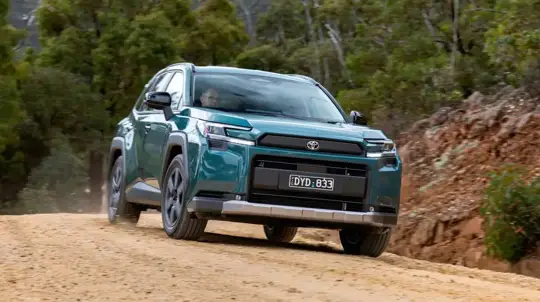
Tesla has become the top beneficiary of Germany’s new EV incentive program by number of approved applications. As of June 30, 2,086 applications for Tesla vehicles had been approved, ahead of 1,197 for Skoda and 784 for Renault. Seat/Cupra follows with 712 approvals, Hyundai with 637, Kia with 627, and Leapmotor with 613. Volkswagen ranks eighth with 593, while BYD received 544 approvals.
But calling this a defeat for German carmakers requires a caveat. The statistics are broken down by individual brand: adding up Volkswagen, Skoda and Seat/Cupra — all part of the Volkswagen Group — yields 2,502 approved applications, more than Tesla alone. A “foreign brand” also doesn’t automatically mean an imported car: the Model Y sold in Europe is built at Tesla’s factory in Grünheide, Germany.
The program covers new electric vehicles, select plug-in hybrids and range-extended models registered from January 1, 2026. the subsidy program we covered back in January Applications only opened on May 19. The payout depends on vehicle type, household income and number of children, ranging from €1,500 to €6,000.
By the end of June, the government had approved €53.9 million in payouts against a total budget of €3 billion. That’s roughly 1.8% of the funds used so far, meaning the current ranking reflects only the first weeks of processing applications, not a final distribution of subsidies. The program is designed to cover approximately 800,000 vehicles through 2029.
These figures also can’t be compared directly to standard registration statistics: only private buyers with a taxable household income of up to €80,000 a year qualify, or up to €90,000 with two children. Corporate fleets and a large share of wealthier customers don’t appear in the ranking at all.
Berlin is already considering adding European manufacturing criteria, though for now the subsidy remains open to vehicles from any brand. The ministry itself notes that around 80% of new EVs in Germany are of European origin. That makes it more logical for any future revision to hinge on where a car is built and its local value-added content, rather than on where its brand is officially registered.
This English edition was prepared using AI translation under editorial oversight by SpeedMe. The original reporting is by Dmitry Novikov
Latest Stories