Kia EV4 vs. Paris–Berlin night train: range, charging time and who actually wins
 © kia.com
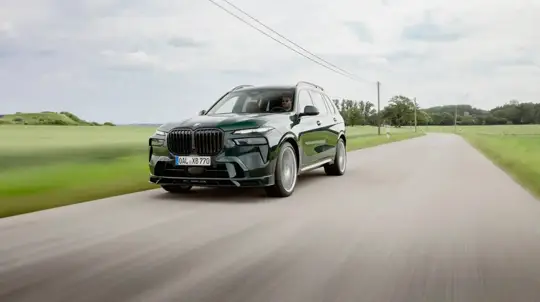
A Kia EV4 Fastback raced European Sleeper's overnight Paris–Berlin train over 1,050 km. It won by minutes, but the driver stayed awake all night chasing chargers.
Author: Yulia Ivanchik
The Kia EV4 Fastback beat European Sleeper’s overnight Paris–Berlin service by just a few minutes — but the finishing order tells only part of the story. The train was delayed, and the EV’s driver spent the entire night behind the wheel, at the mercy of whichever charging stations happened to be working.
The route covered roughly 1,050 km through three countries. The EV4 set off at the same time as the train and charged along the way, though one stop near Hannover turned out less efficient than the team had planned. The train also changed its schedule and final station, then arrived late — which is exactly what let the Kia keep its razor-thin lead.
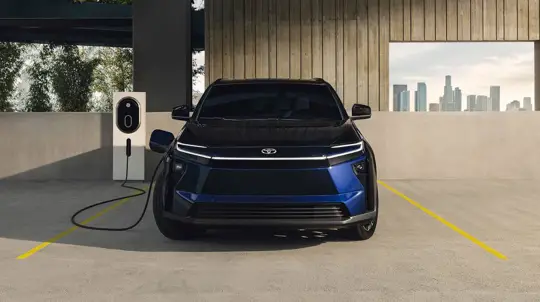
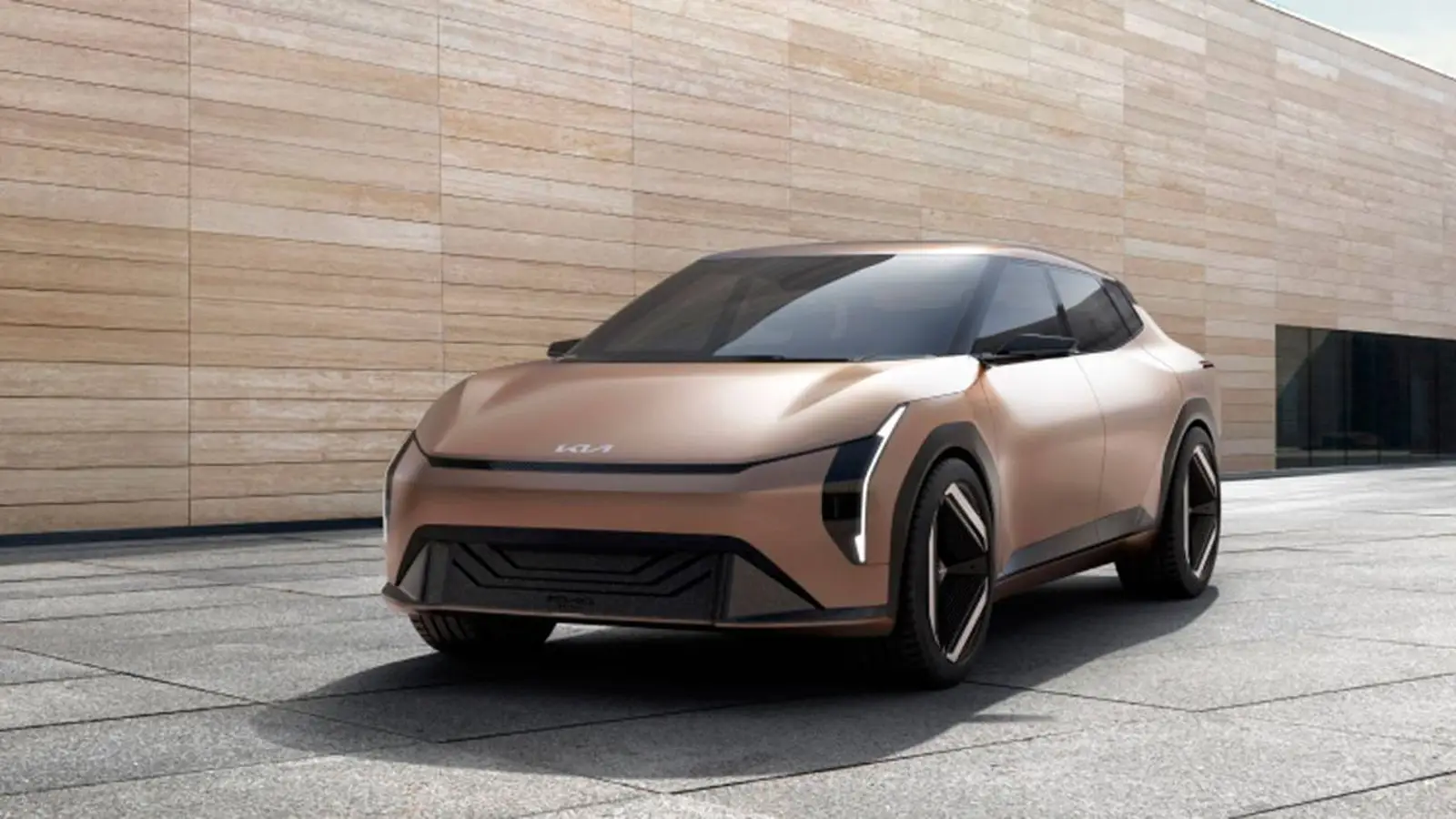
The test car was a Kia EV4 Fastback, rated for up to 630 km of WLTP range and a 10–80% charge in 29–31 minutes — the EV4 lineup gained an AWD version with a GT motor back in May, widening what the model can do. Even that maximum spec isn’t enough to cover the whole route without stopping, so trip speed comes down to more than just energy use — it depends on which chargers are actually working.
The night train runs on different logic. European Sleeper leaves Paris at 17:45 and is scheduled to reach Berlin at 09:59, letting passengers spend most of the 16-hour journey asleep in a berth. The Kia was faster, but it gave its driver no rest at all.
That doesn’t mean an EV will out-run every Paris–Berlin train. Daytime rail services cover the route in about nine hours — notably quicker than the overnight European Sleeper. What this test really showed is different: on a long trip, the weakest link decides the winner — a late train, a bad charging stop, or roadworks.
This English edition was prepared using AI translation under editorial oversight by SpeedMe. The original reporting is by Yulia Ivanchik
Latest Stories