Geely solid-state battery roadmap 2026-2030: pack validation, pilot fleet, 500 Wh/kg cells
 © geely-motors.com
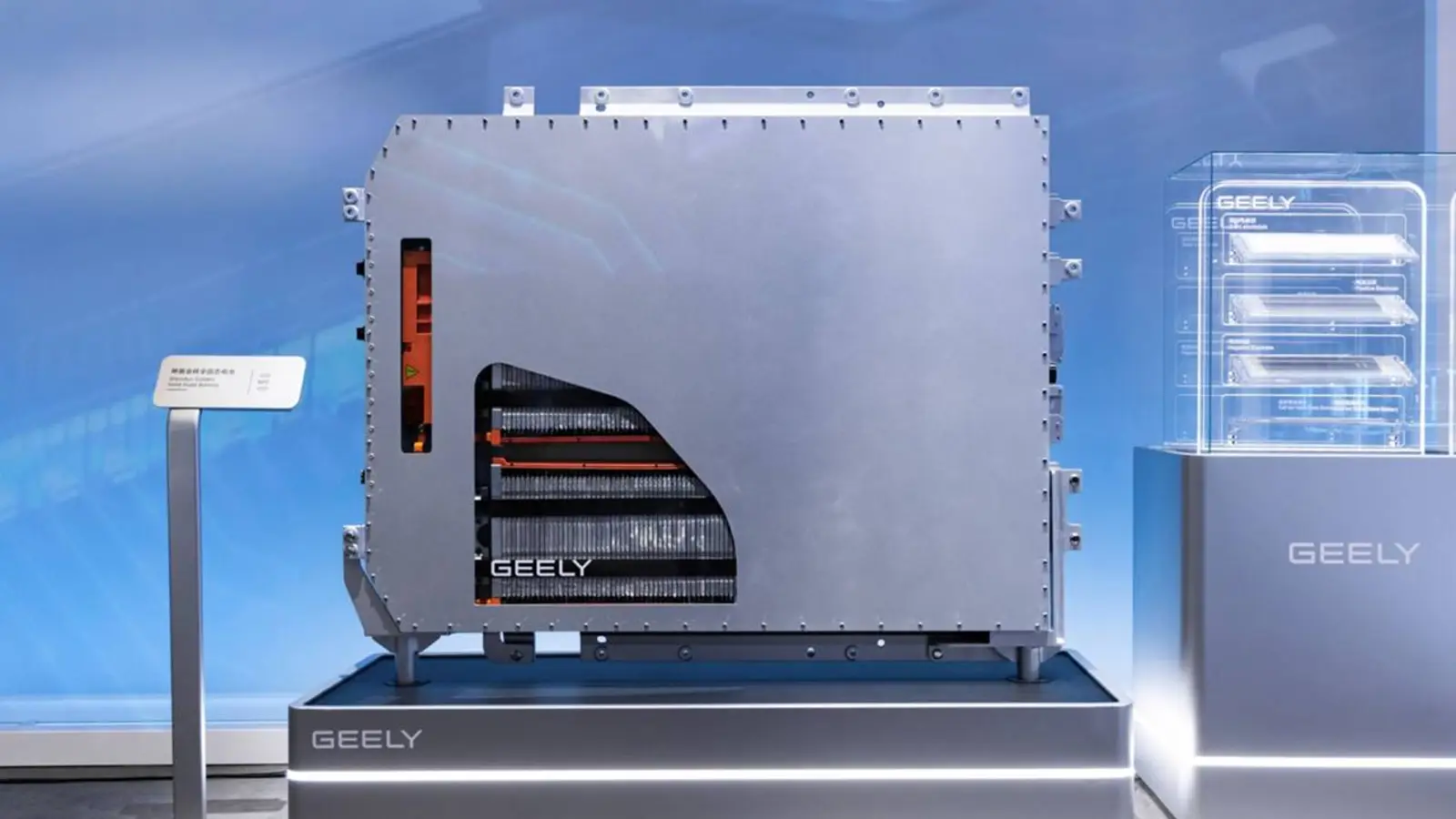
Geely plans to validate its first solid-state battery pack in a car in 2026, reach small-batch industrialization with about 1,000 demo vehicles in 2027, and push cell density past 500 Wh/kg by 2030.
Author: Nikita Novikov
Not 500 Wh/kg next year, but the shift from lab to car — that’s the real milestone in Geely’s program. In 2026, the automaker plans to complete its first full-size in-house solid-state battery pack and validate it in a vehicle, then move to small-batch industrialization in 2027 and grow the demonstration fleet to roughly 1,000 cars.
The technology is set to begin pilot deployment across the Geely Holding ecosystem once real-world testing is done. That potentially touches several global brands within the group at once, so this is no longer a standalone lab prototype.
The 500 Wh/kg figure itself should be kept separate from the 2027 stage. In the roadmap outlined by Geely CTO Shen Yuan, that’s a long-term target specifically for the cells: density is meant to exceed 500 Wh/kg by 2030, when solid-state technology is expected to see wider use in premium models. For 2027, the stated goals are small-scale industrialization and demonstration vehicles.
That distinction matters. The higher a cell’s specific energy, the more energy can be packed in for a given weight — but a cell-level figure doesn’t translate directly into a finished automotive battery: the housing, cooling, power electronics and protection all add mass to the system. So a promise of diesel-like range is, for now, more accurately described as a technology target than as the rated range of a future production model.
Geely is moving on roughly the same timeline as other Chinese automakers. Chery, for instance, also ties its solid-state pilot stage to 2027, with its engineers separately working on sulfide electrolyte stability and interface degradation. That’s one sign that the main race is shifting from lab-level density toward durability, safety and manufacturing repeatability.
Conventional liquid batteries aren’t going anywhere before that transition happens. Geely is meanwhile speeding up charging on its existing chemistry: during testing, the Energee Golden Brick pack in the Lynk & Co 10 accepted up to 1,100 kW, taking the charge from 10% to 70% in 4 minutes 22 seconds. For buyers, that kind of technology could deliver a practical benefit sooner than fully solid-state cells will.
So the next real checkpoint for Geely’s roadmap isn’t some outlandish range figure — it’s the result of vehicle-level validation of the first pack in 2026 and the actual scale of the demonstration fleet in 2027. Only after that will it become clear how fast the technology can move from a thousand test cars to models people can actually buy.
This English edition was prepared using AI translation under editorial oversight by SpeedMe. The original reporting is by Nikita Novikov
Latest Stories