ZF LIFETEC Infrared Belt: how the seat-belt detection technology works
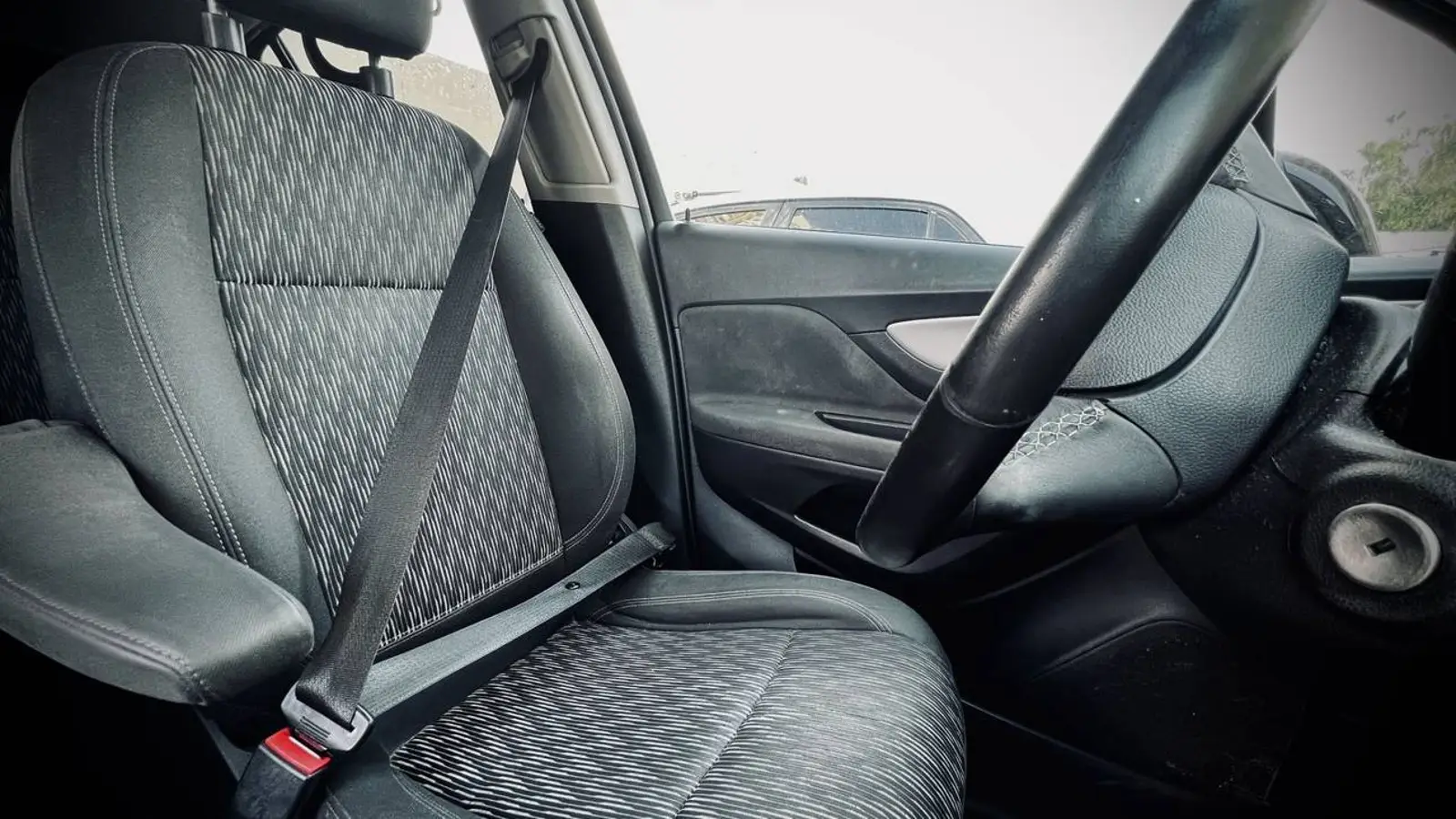 © A. Krivonosov
ZF LIFETEC uses infrared-visible belt material and cabin cameras to detect incorrect seat-belt positioning. Production plans and unanswered questions.
Author: Nikita Novikov
A dashboard seat-belt warning can go out even when the driver routes the shoulder strap under an arm or behind the back. A conventional buckle sensor only detects whether the belt is fastened, not whether it is worn correctly. German supplier ZF LIFETEC has developed Infrared Belt to help in-cabin cameras identify these dangerous mistakes.
The key is the webbing itself. Its optical characteristics produce a distinctive infrared signature, allowing a camera to distinguish the belt from clothing, skin and upholstery. Software checks whether the strap crosses the shoulder or sits under the arm or behind the occupant. The belt itself needs no embedded camera or electronic sensors.
That goes beyond a typical seat-belt reminder. A click from the buckle does not guarantee correct protection. The shoulder strap should cross the middle of the chest and the lap section should sit low across the pelvis. Wearing the shoulder strap under an arm or behind the back raises the risk of injury in a crash.
ZF LIFETEC unveiled Infrared Belt on July 23, 2026, and announced plans to begin series production in August. It is designed for front and rear seats alike. The company has not named the first production cars to receive it, and public confirmation that deliveries have begun is still unavailable.
The development coincides with changing vehicle safety assessments. Euro NCAP is placing greater emphasis on systems that can recognize how occupants wear seat belts and where they sit. European requirements for driver drowsiness and distraction monitoring concern different functions; they do not mandate installation of ZF's Infrared Belt.
In September, ZF LIFETEC also outlined a broader approach to occupant protection. Cameras and seat and belt sensors can inform electronic systems about an occupant's position and physique, helping adapt airbags and belt force limiters to the person and the crash. This is a separate development area, highlighting why real-time occupant positioning matters.
Infrared Belt could allow a car to evaluate actual belt placement rather than simply the buckle status. Widespread adoption will depend on automakers, however, and no specific vehicle models or launch dates for customer cars have been announced.
This English edition was prepared using AI translation under editorial oversight by SpeedMe. The original reporting is by Nikita Novikov
Latest Stories