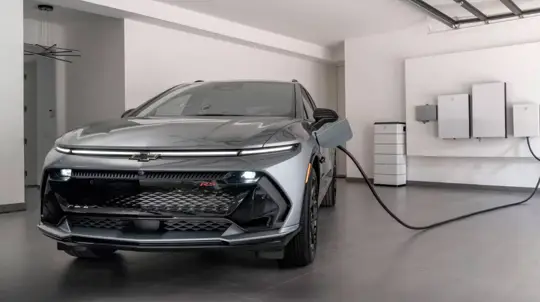
Toyota bZ safety issues in crash tests and lighting performance
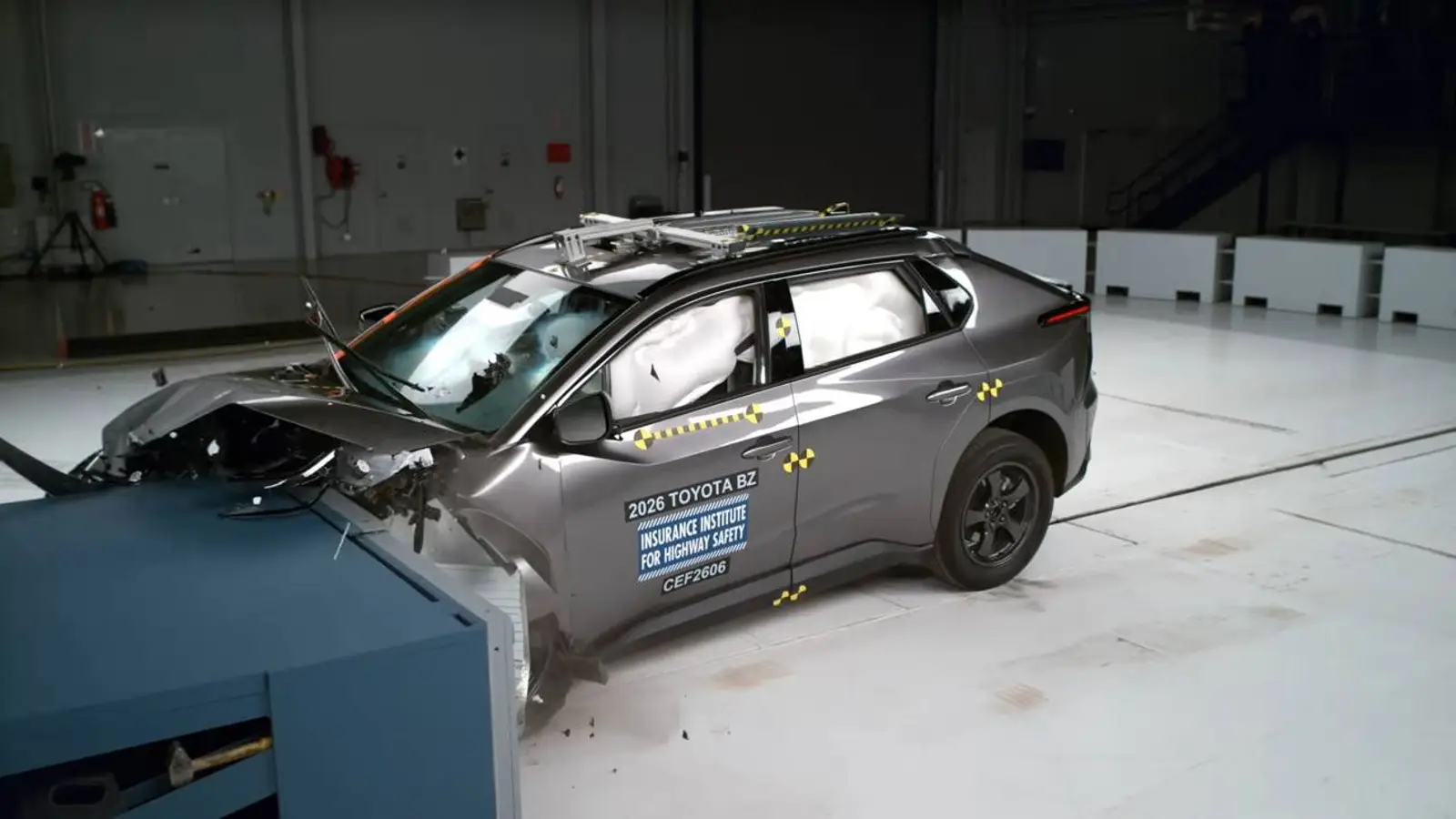 © Скриншот Youtube
The 2026 Toyota bZ, an electric crossover, did not earn the Top Safety Pick award from IIHS due to poor frontal crash results and inadequate headlight performance.
Author: Polina Kotikova
The updated 2026 Toyota bZ, which replaces the bZ4X, has failed to demonstrate a high level of safety. In IIHS crash tests, the electric crossover did not earn the prestigious Top Safety Pick award, falling short in several key evaluations.
Issues in frontal crash tests
The main concerns relate to frontal impacts. In the moderate overlap test, the model only received an "acceptable" rating due to excessive force on the dummy's right leg—the measurement reached 6.1 kN, indicating a risk of injury.
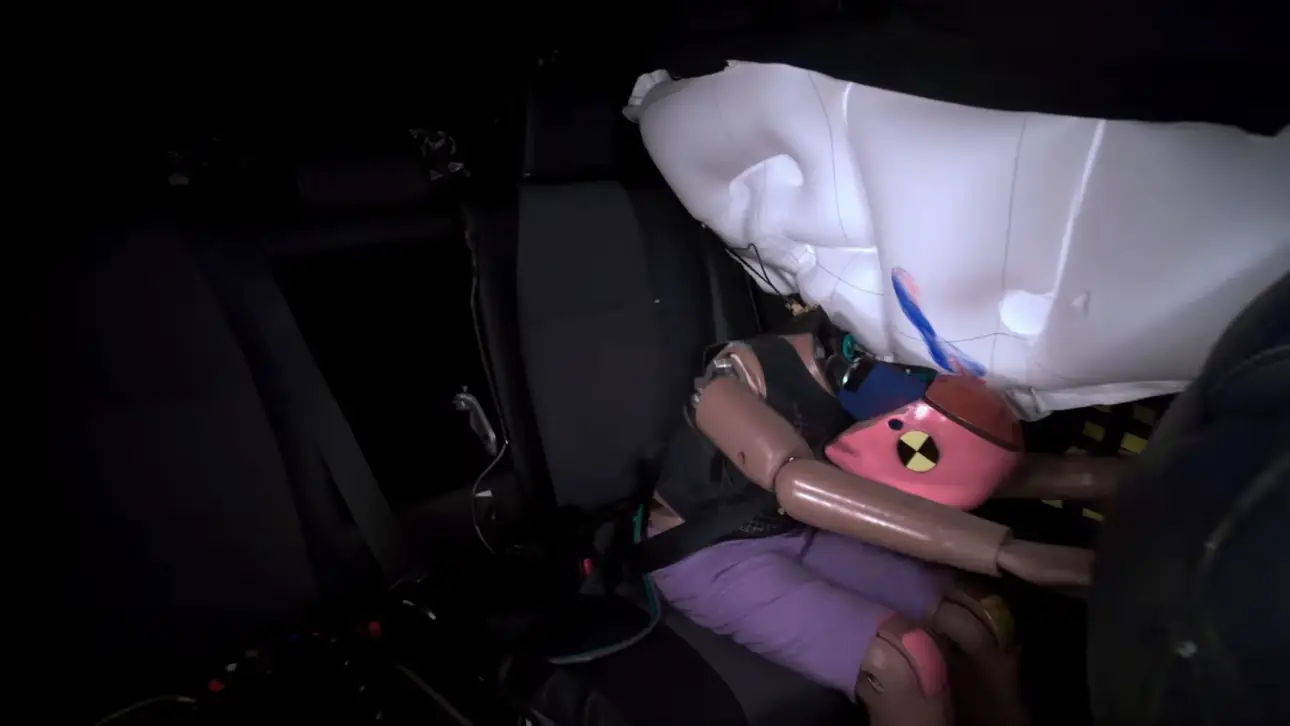
In the more challenging small overlap test, the situation was no better. The dummy's head slid off the frontal airbag, moving toward the A-pillar, which increases the likelihood of serious injuries.
Lighting and visibility—another weak spot
Headlight performance raised separate issues. Despite having LED optics, the illumination was deemed insufficient in several scenarios, including straight-line driving.
This is critical for real-world use, especially in low-visibility conditions. Ultimately, the weak lighting was the third factor that prevented the model from achieving a top rating.
Technology is present, but it wasn't enough
Meanwhile, Toyota has significantly updated the model. The electric crossover features a new battery, improved electric motors with silicon-carbide components, Plug & Charge support, and a battery pre-heating system.
The interior now includes a 14-inch screen, wireless chargers, ambient lighting, and a redesigned dashboard architecture. The base price in the U.S. starts at $34,900, with a range of up to 505 km.
Overall, the Toyota bZ has become more technologically advanced and modern, but safety remains a weak point. Against the backdrop of growing competition in the electric vehicle market, this could be a decisive factor for buyers.
This English edition was prepared using AI translation under editorial oversight by SpeedMe. The original reporting is by Polina Kotikova
Latest Stories