An Old Name, a New Body: How Lancia Reinvented the Gamma
 © lancia.com
Lancia revives the Gamma name on a coupe-style crossover. STLA Medium platform, a 145 hp hybrid and EV versions up to 375 hp — the full lineup and key figures.
Author: Nikita Novikov
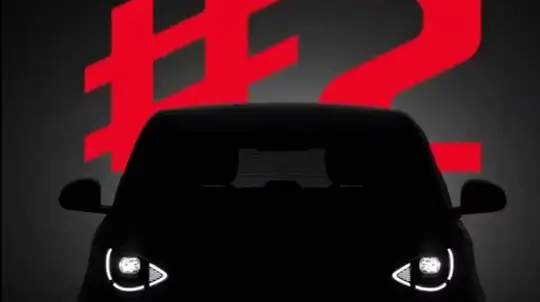
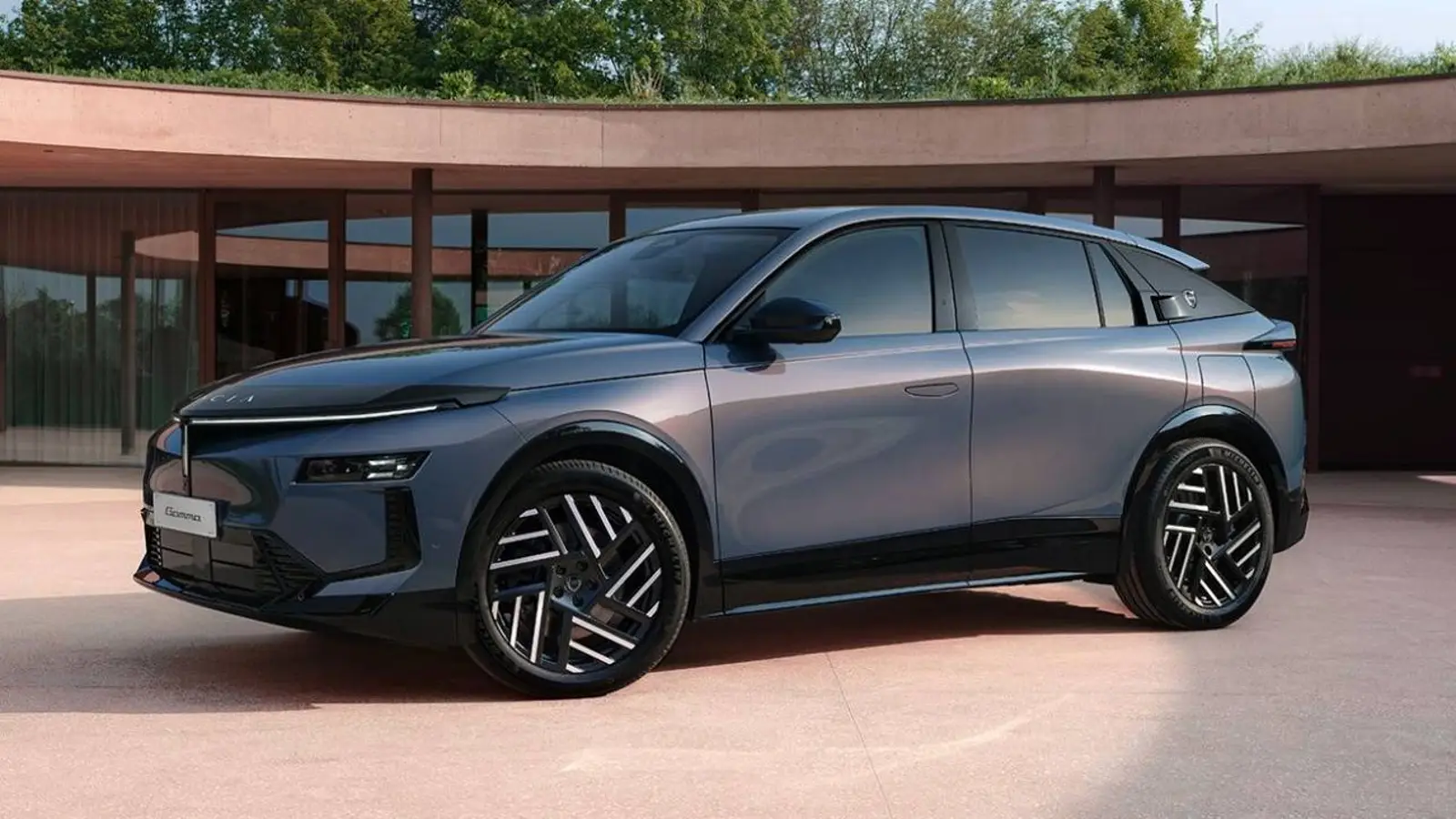
Lancia has revealed the Gamma — the second model in its revival plan. The old name returns not on a saloon, as it did in 1976, but on a coupe-style crossover: these are precisely the cars that now give brands a better shot at survival.
The new Gamma is built on the Stellantis STLA Medium platform. It measures 4.67 m long, 1.89 m wide and 1.66 m tall. In size it slots between compact and mid-size SUVs — roughly between the BMW iX1 and iX3, or between the Audi Q4 Sportback e-tron and Q6 Sportback e-tron. Production will be set up at the Melfi plant, which already builds the DS No. 7, DS No. 8 and Jeep Compass.
The design follows the Ypsilon line: a chalice-shaped light signature up front and similar graphics at the rear, which makes the Gamma look more cohesive than its smaller sibling. Inside, it keeps the circular shelf familiar from the Ypsilon. For Lancia this is an important bet: after the modest sales of the new Ypsilon, it is the Gamma that must prove whether the brand can play in a pricier segment again.
The powertrain range will be broader than first planned. Instead of a purely electric model, Lancia will offer a 145 hp hybrid and several EV versions. The entry-level electric Gamma gets 230 hp and a range of about 540 km WLTP. The mid version delivers 245 hp and up to 740 km WLTP. The flagship all-wheel-drive variant develops 375 hp but, owing to higher consumption, will cover up to 675 km.
It is not official yet, but it is the top version that could revive the HF Integrale name, familiar from the legendary Delta. Orders for the Gamma will open after the summer, and Lancia will reveal further details closer to launch. The car has the design, the range and the right kind of nostalgia — now it all comes down to price.
This English edition was prepared using AI translation under editorial oversight by SpeedMe. The original reporting is by Nikita Novikov
Latest Stories