Rezvani Dune 2026: price, specs and how it compares to the Huracan Sterrato
 © rezvanimotors.com
Rezvani’s new Dune uses a carbon body and a turbocharged V10 with over 800 hp, based on the Lamborghini Huracan Sterrato, limited to seven units.
Author: Nikita Novikov
Rezvani is once again building a car for a loud collection, not a quiet garage. The new Dune debuts in late July and is billed as the “world’s first off-road supercar,” even though the Lamborghini Huracan Sterrato got there first — and it’s already being compared to it directly. The difference is in the approach: Rezvani takes the familiar Sterrato idea and pushes it toward rarity, power and theatrical aggression.
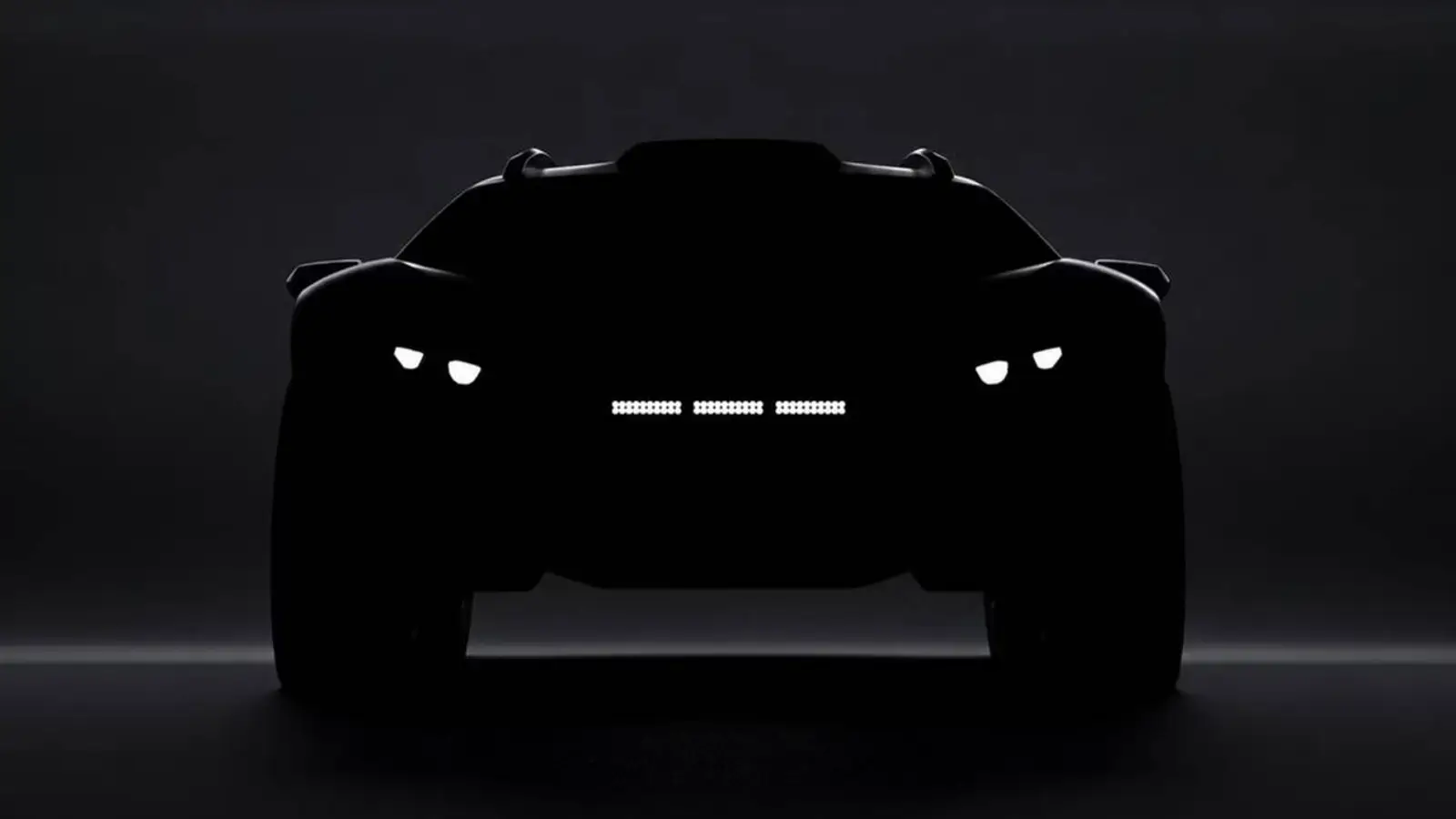
From the teasers, the Dune does resemble the Huracan Sterrato: a wedge-shaped silhouette, a low-slung stance, off-road styling cues, a roof rail and extra LED lights on the hood. the Huracan Sterrato has already shown what it can do in the dirt But Rezvani reworks the rear end, the air intakes and the roof, and promises a fully carbon-fiber body. The suspension is expected to be reinforced, and the wide track isn’t just for show — an off-road supercar has to hold its line where a regular supercar would already have backed off the throttle.
The big bet is the engine. Rezvani is talking about a turbocharged V10 with over 800 hp. If the base really is the 5.2-liter Lamborghini unit, that’s nearly 200 hp more than the Sterrato: the factory Huracan Sterrato makes 610 hp, runs all-wheel drive and hits 62 mph in about 3.4 seconds. The Dune should be quicker, but the real question is different — can it hold its composure off perfect asphalt, rather than just winning the horsepower argument?
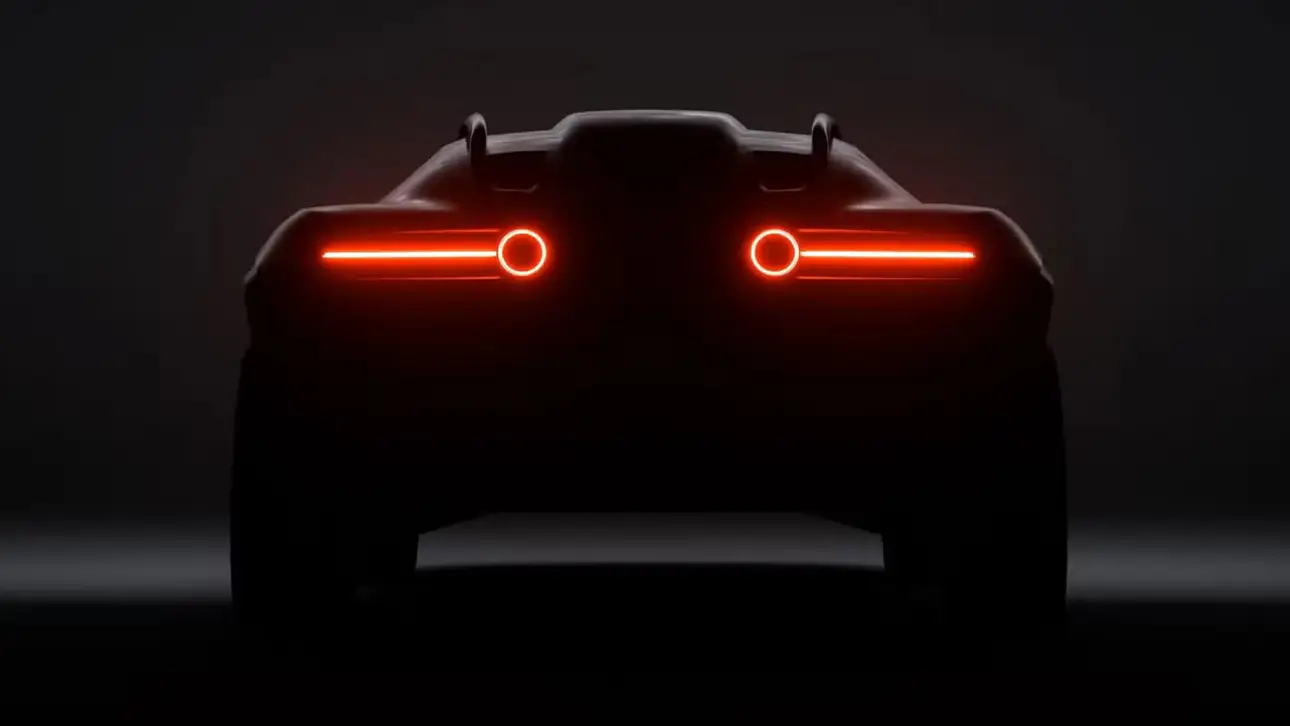
Production is capped at just 7 cars. That’s familiar territory for Rezvani: the company builds flashy projects on other automakers’ platforms, from the Tank and the Vengeance to the Urus-based Knight, betting on the look of specialized hardware for wealthy buyers. The deposit for the Dune is $1,500. The final price hasn’t been revealed, but used Sterratos in the US often sell for $325,000 and up — so the Dune could easily be priced at $500,000 or more.
The Dune is a signal from the world of exclusive, low-volume builds: cars like this aren’t bought instead of a Porsche 911 Dakar or a stock Lamborghini, but for rarity and sheer visual statement. The service risk is proportional — the bodywork, suspension and Rezvani-specific parts, layered on top of Lamborghini’s own parts supply chain, quickly turn ownership into a project for people with their own dedicated support network.
The Dune isn’t interesting because it tries to be a practical off-roader. It’s interesting because even going off-road in the supercar world has become an excuse for a limited-run vanity race.
This English edition was prepared using AI translation under editorial oversight by SpeedMe. The original reporting is by Nikita Novikov
Latest Stories