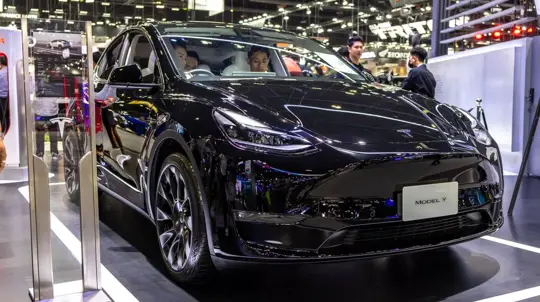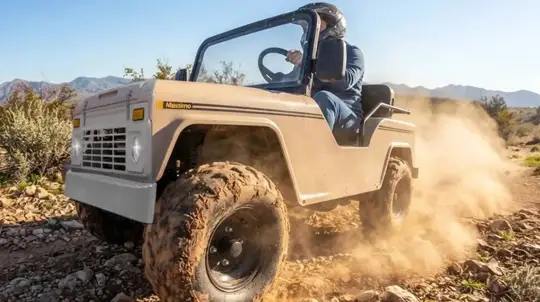
The other World Cup table: a car for every tournament since 1950
 © RusPhotoBank
Autoevolution lined up the FIFA World Cups since 1950 with the cars that shaped each era — from the VW Type 2 to the new Ferrari Luce.
Author: Dmitry Novikov
The FIFA World Cup is usually measured in goals, finals and scandals. But autoevolution suggested a different lens: almost every tournament since 1950 can be paired with a car that, in its own way, showed where the era was heading.
In 1950, with the world still recovering from the war, Volkswagen rolled out the Type 2 — a simple, cheap and practical van that became a symbol of new mobility. In 1954, the year of the “Miracle of Bern”, Mercedes-Benz unveiled the 300 SL Gullwing with direct fuel injection and gullwing doors. In 1966, alongside England’s only World Cup triumph, came the Lamborghini Miura — one of the cars that gave birth to the modern idea of the supercar.
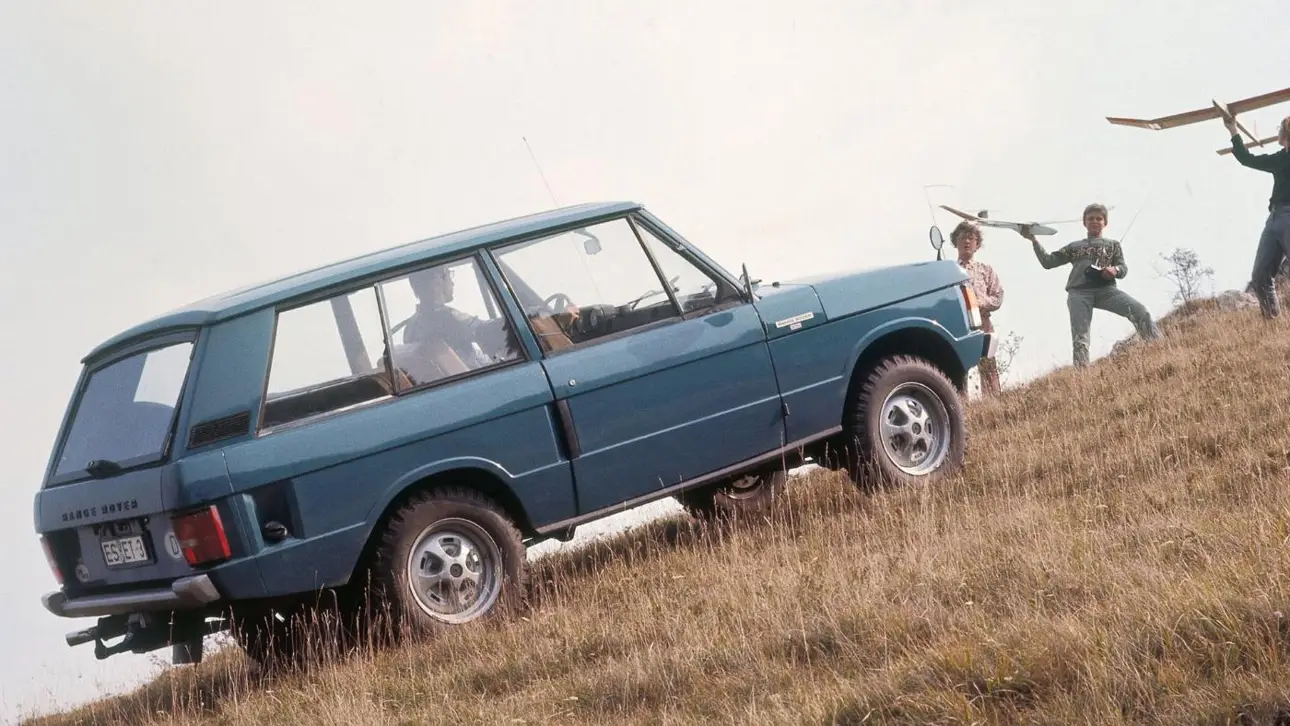
After that the parallels only get sharper. 1970 — the first Range Rover, the car that fathered the entire premium SUV category. 1974 — the Volkswagen Golf Mk1, the brand’s leap from a rear-engined, air-cooled past to front-wheel drive and water cooling. 1986 — the BMW M3 E30, a homologation special that later turned into a DTM icon and a collector’s favourite. 2002 — the Ferrari Enzo with its naturally aspirated 6.0-litre V12 and a carbon-fibre chassis. 2014 — the BMW i8, where instead of the expected V8 or V12 the supercar got a 1.5-litre three-cylinder engine and an electric motor.
The recent years are especially telling. In 2018 Rolls-Royce dared to launch the Cullinan — the brand’s first SUV, even though the company itself preferred to call it a “high-bodied car”. In 2022 Ferrari took a similar leap with the Purosangue: four doors, a V12 and a deliberate refusal to use the word SUV. And in 2026, the year of the new World Cup, came the debut of the Ferrari Luce — the first electric and the first five-seat Ferrari, already triggering arguments no smaller than those around the footballing favourites.
For the reader, the real story here is not the football but the shift in automotive taste. Cars that once looked strange — a Golf instead of a Beetle, a Range Rover instead of a utilitarian off-roader, a Cullinan instead of a classic Rolls-Royce — eventually became the norm. The same may well happen to electric cars, to expensive crossovers, and to brands that today still divide opinion.
The World Cup years are simply a convenient ruler: they show how quickly automotive heresy turns into a new standard.
This English edition was prepared using AI translation under editorial oversight by SpeedMe. The original reporting is by Dmitry Novikov
Latest Stories