Toyota built a cabin without anything extra: buttons appear only when you need them
 © global.toyota
The new Lexus ES introduces Responsive Hidden Switches that stay invisible until a hand approaches, using an Alps Alpine HSLCMB002A capacitive IC inside a Tokai Rika panel.
Author: Dmitry Novikov
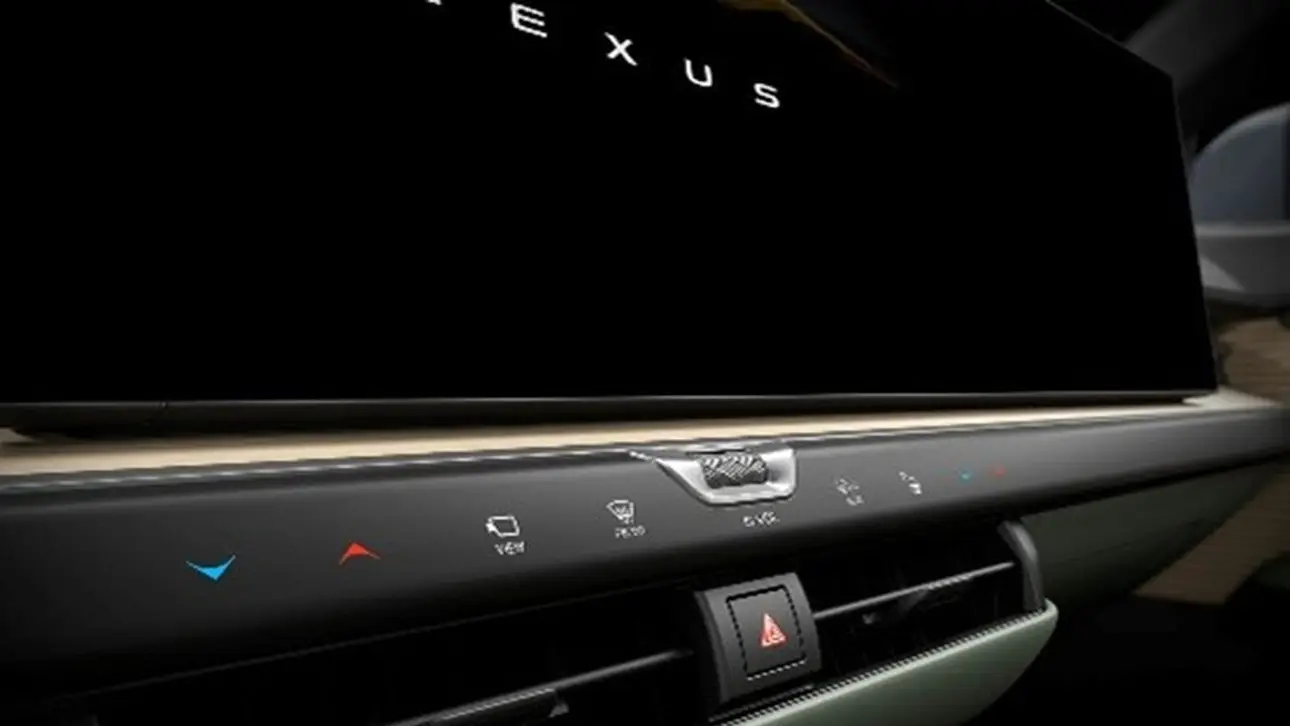
The new Lexus ES got more than just another big screen — it got a tidier way to manage cabin functions. The dashboard now features Responsive Hidden Switches: concealed controls that stay invisible under normal conditions and light up icons the moment a driver or passenger moves a hand closer.
Motion detection runs on the HSLCMB002A capacitive sensor IC from Alps Alpine. The chip sits inside a panel developed by Tokai Rika and is tuned to catch the approach of a hand with precision. The point of the design is clear: the cabin looks cleaner, but key functions don’t disappear entirely into the infotainment menu.
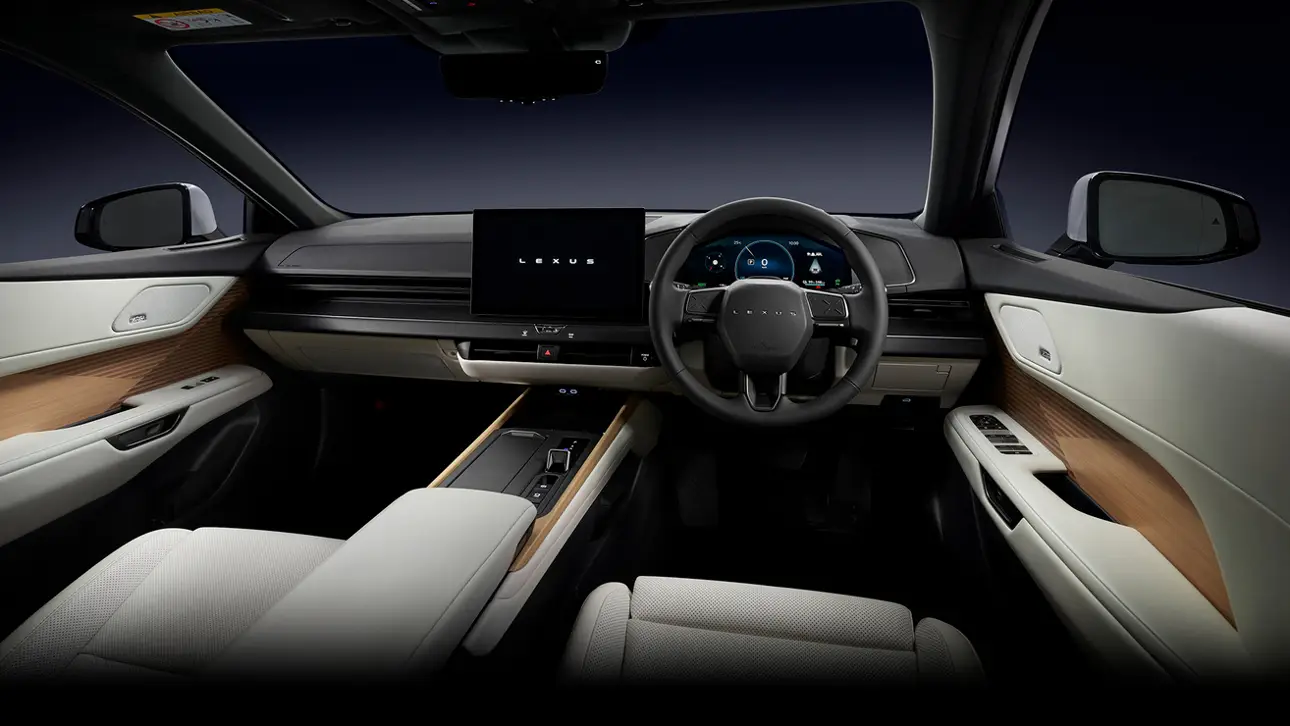
For today’s cars this is an important compromise. Buyers are tired of overloaded screens, yet premium brands are in no rush to bring back a scatter of physical buttons. Hidden sensors keep functions a quick reach away without turning the dashboard into a control panel.
For Alps Alpine this is a notable moment too. The HSLCMB series used to ship in Japan as a module combining an electrode and the IC, but from 2023 the company started selling the chip on its own. The Lexus ES is the first model from an external customer to adopt the solution.
This kind of technology doesn’t make the ES faster or more efficient, but it shapes the everyday feel of the car. In a premium sedan it now matters not just what features are on board, but how naturally the driver gets to them.
This English edition was prepared using AI translation under editorial oversight by SpeedMe. The original reporting is by Dmitry Novikov
Latest Stories