
A Cayenne against poachers: Porsche traded leather for a job that actually matters
 © Porsche South Africa
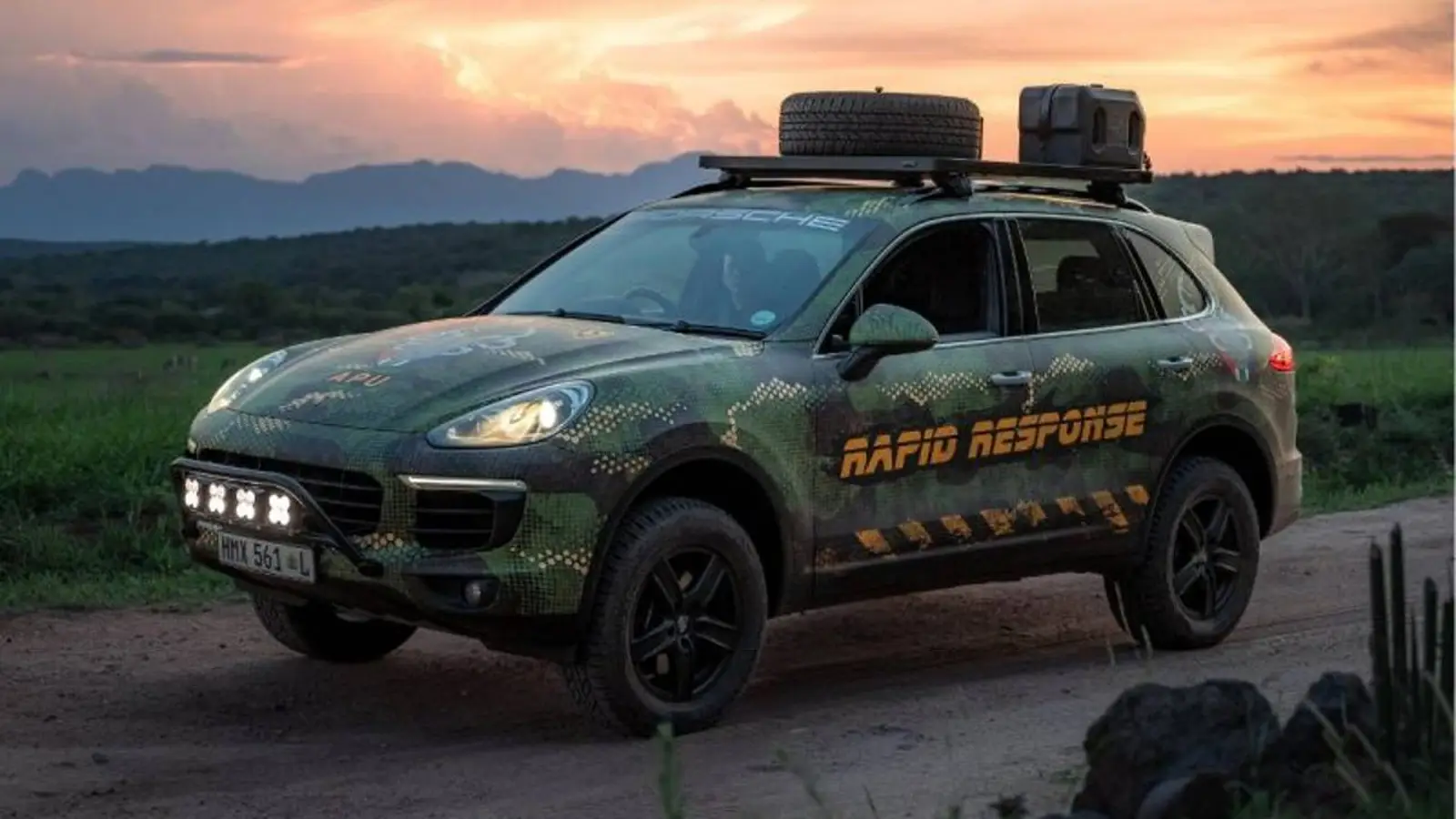
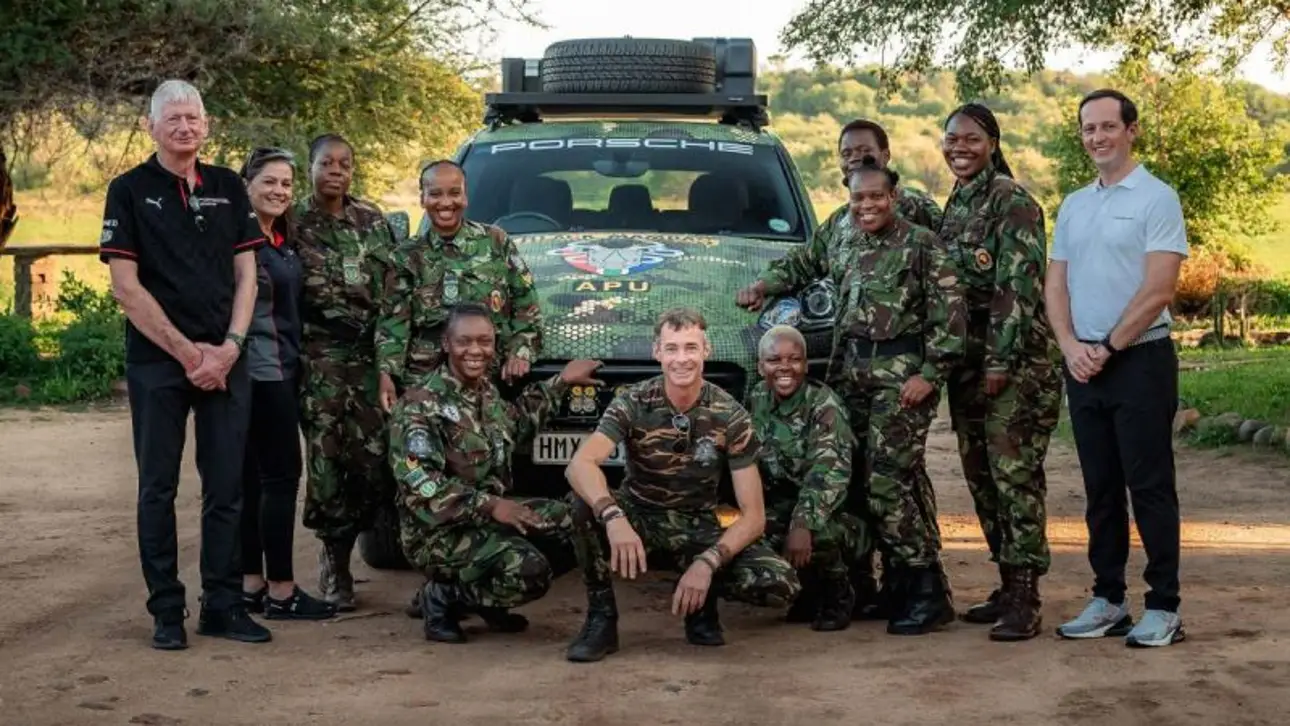
Porsche South Africa handed a specially modified second-generation Cayenne to the all-female Black Mambas anti-poaching unit working in Greater Kruger.
Author: Dmitry Novikov
Porsche South Africa has handed the Black Mambas unit a specially modified second-generation Cayenne. This is not a marketing show car but a working rapid response vehicle for Greater Kruger, where an all-female unarmed patrol monitors poacher tracks, snares and rhino movements every day.
The Cayenne was prepared by Porsche Centre Johannesburg. The SUV received uprated suspension, underbody protection, a heavy-duty bumper, additional lighting, Yokohama off-road tyres, a roof rack, a full-size spare wheel and water tanks — including for the dogs that join the patrols. The camouflage finish and reflective markings are not decoration: the Black Mambas work through constant presence, not armed confrontation.
For this kind of work the Cayenne looks unexpectedly logical. A Toyota Land Cruiser or Hilux is cheaper and easier to repair, but Porsche has a clear strength: speed on long gravel stretches, torque, crew comfort and a margin of durability if the car is actually maintained. Vehicle breakdowns used to slow patrols down, and in anti-poaching work a lost hour can matter more than engine power.
The Black Mambas unit was formed in 2013 and patrols around 20,000 hectares. Their job is prevention: spot signs of intrusion, remove snares, call for backup and deny poachers the calm they need to operate. Against the usual race between brands for luxury, this Cayenne story is valuable for a different reason: an SUV is finally measured not by the leather inside but by how much ground it helps cover during a shift.
Sometimes the best modification for a premium SUV is not carbon and not exhaust — it is the ability to reach the place where the car actually decides the outcome.
This English edition was prepared using AI translation under editorial oversight by SpeedMe. The original reporting is by Dmitry Novikov
Latest Stories