WLTP turned out to be a fantasy again: Rome's real-road EV test crowned unexpected winners
 © Motor1 Italia
Motor1 Italia ran 12 electric cars around Rome's GRA loop. BMW iX3 went furthest at 586 km, but Mercedes CLA and Ford Puma Gen-E proved efficiency now beats battery size.
Author: Daria Kashirina
Motor1 Italia has once again put electric cars to the test out on the road rather than in a laboratory. For the sixth edition of its Grande Raccordo Anulare marathon, the team took 12 models onto Rome's ring road, where the cars circled a 42-mile loop — roughly 68 kilometres — in unison until their batteries were almost flat. This time the field was split into two classes.
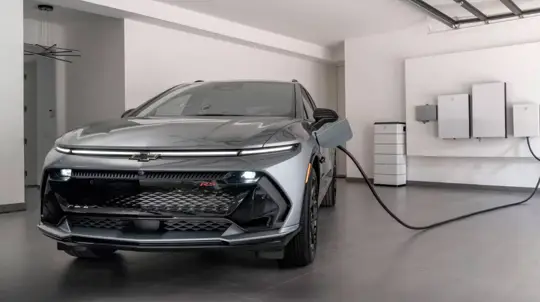
The city models — BYD Dolphin Surf, Fiat Grande Panda, Ford Puma Gen-E, Renault 4 E-Tech and Leapmotor T03 — were capped at 110 km/h. The larger, longer-legged EVs were allowed to climb to 130 km/h wherever the road permitted.
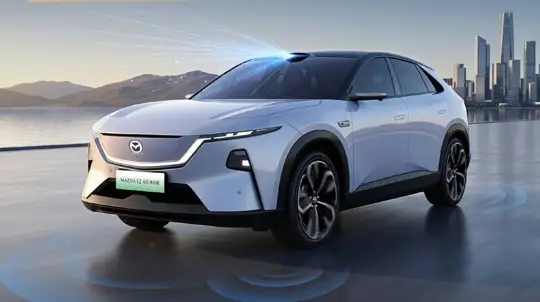
The second group consisted of the Mazda 6e, Kia EV5, BMW iX3, Mercedes-Benz CLA with EQ Technology, smart #5, Tesla Model Y and Volvo ES90. The conditions were kept as uniform as possible: standard driving mode, identical climate settings, a single occupant on board and tyre pressures set to factory specifications.
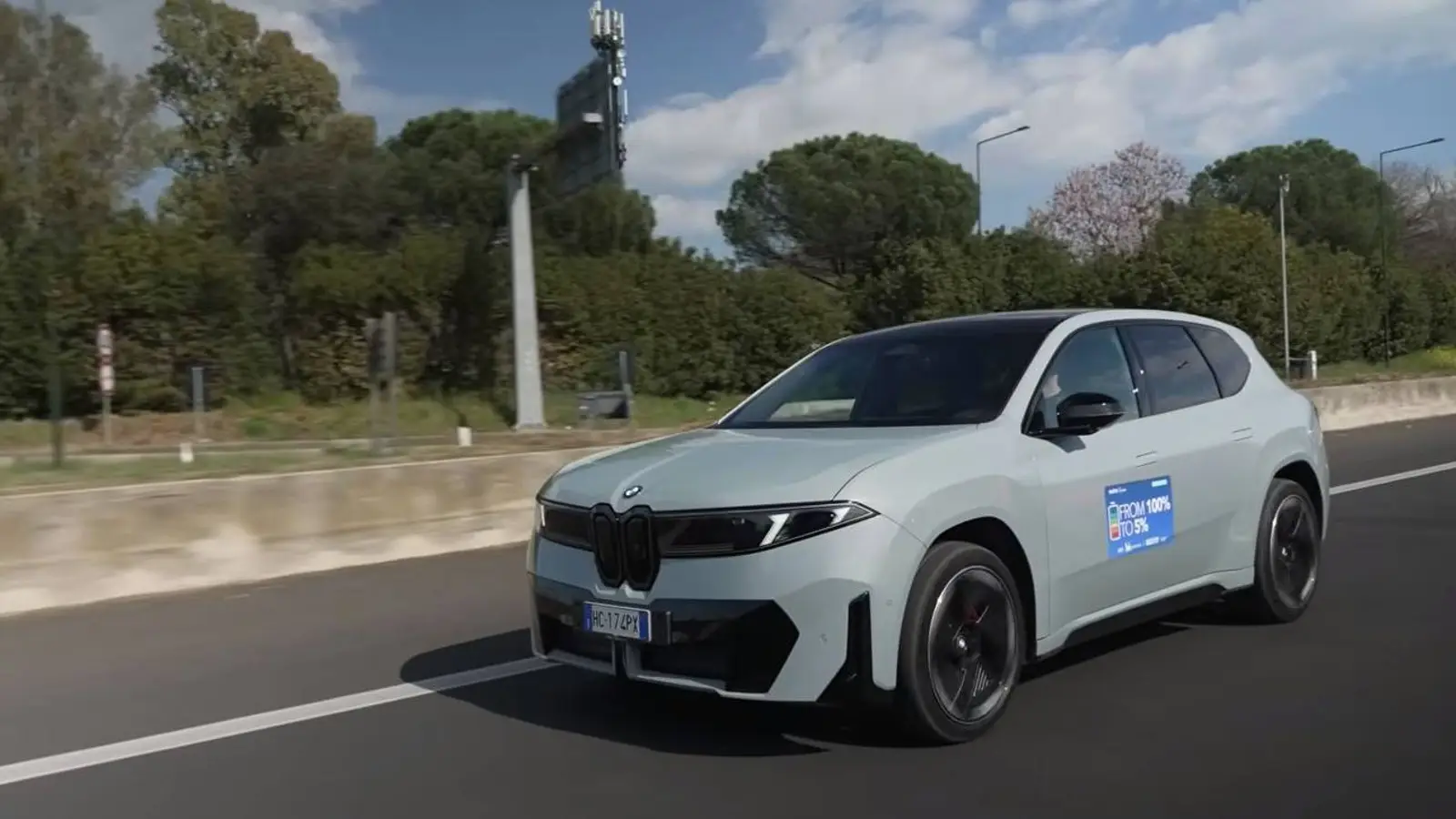
The overall winner on outright range was the BMW iX3. Thanks to the largest battery in the test, it covered 586 km in real-world conditions. Right behind it came the Mercedes-Benz CLA: 577 km on a noticeably smaller pack. That gap-to-battery ratio is what makes the CLA's result so impressive.
The spread against the paperwork figures shows why WLTP shouldn't always be taken at face value. The iX3 and CLA are rated at 805 and 792 km respectively, yet in the Roman test the real numbers came in at 586 and 577 km. Still plenty, but markedly short of the idealised lab values.
The Tesla Model Y took third on range, but with a clear gap. By the time its energy indicator dropped to 5%, the crossover had covered 495 km. Solid for daily use, but in this test the BMW and Mercedes simply went further. On efficiency, however, there were two winners.
The Mercedes-Benz CLA and Ford Puma Gen-E both posted 14 kWh per 100 km, which works out at around 4.44 miles per kWh. That figure matters not just for range but for running costs: the fewer kilowatt-hours per kilometre, the cheaper home charging and motoring become.
On charging speed, the standouts were the smart #5, BMW iX3, Mercedes-Benz CLA and Volvo ES90. For comparison, the Tesla Model Y peaks at 250 kW on V3/V4 Superchargers, the Volvo ES90 at up to 300 kW, BMW claims up to 400 kW, and the smart #5 quotes 430 kW under the right conditions.
The bottom line is more layered than a straight range chart. The BMW iX3 won on distance, the Mercedes-Benz CLA was the most balanced on range and efficiency, the Ford Puma Gen-E showed how thrifty a compact EV can be, and the smart #5 and Volvo ES90 stood out on charging speed. The takeaway for buyers is practical: the biggest range doesn't always mean the cheapest car to live with. Sometimes what matters isn't battery size, but how sensibly the car spends each kilowatt-hour.
Earlier SPEEDME.RU reported that Audi may be testing a production Concept C using a Porsche Boxster EV body.
This English edition was prepared using AI translation under editorial oversight by SpeedMe. The original reporting is by Daria Kashirina
Latest Stories