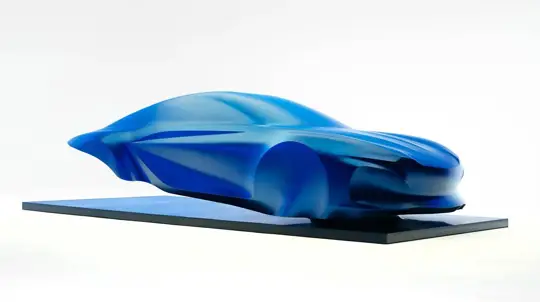
Defender at a crossroads: cheaper and rougher, or pricier than ever?
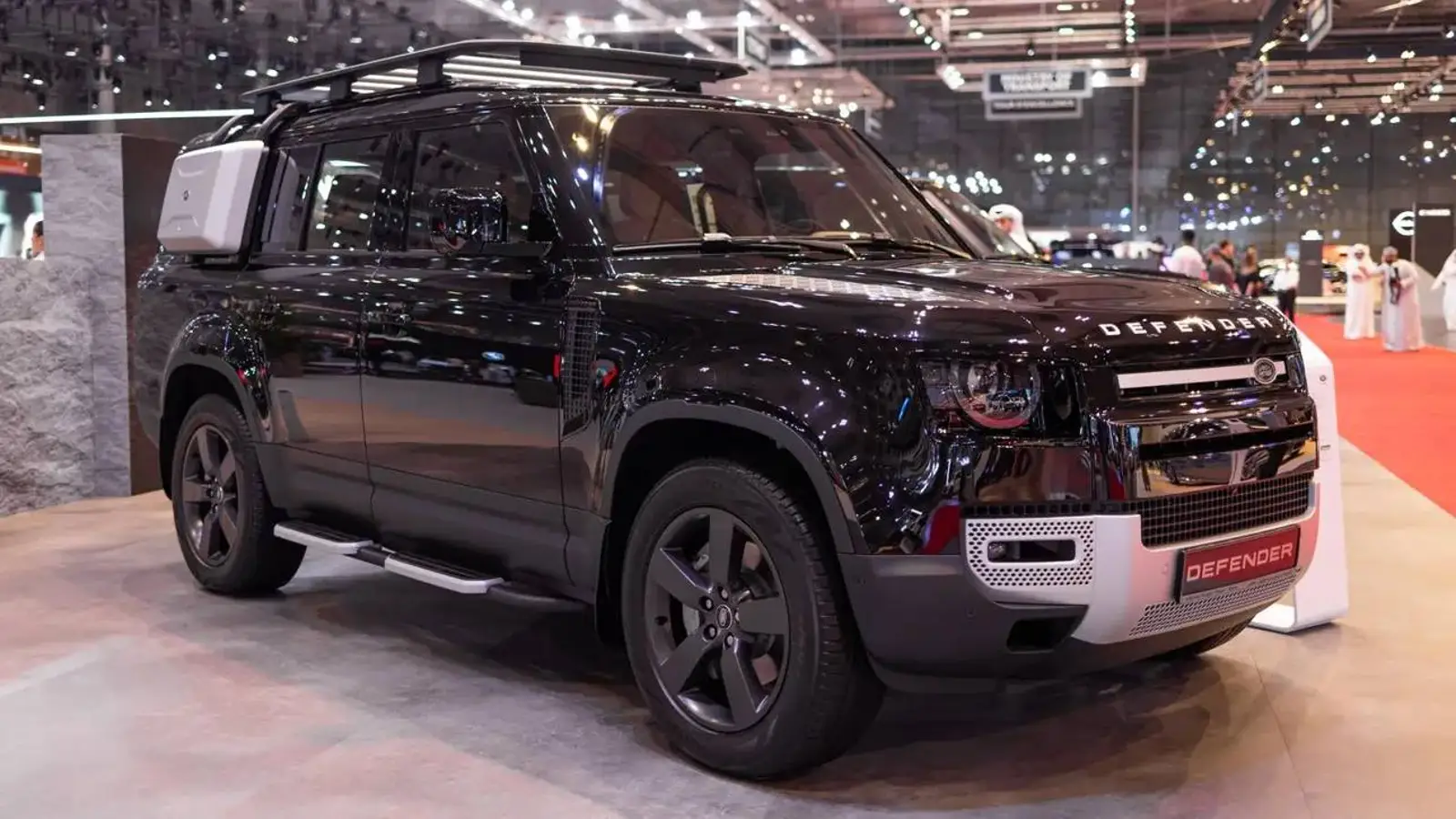 © A. Krivonosov
JLR has signed a memorandum with Stellantis to build Defender-branded models in the US. Two scenarios are on the table — a simpler off-roader against the Ford Bronco, or a premium SUV on Ramcharger tech.
Author: Daria Kashirina
JLR is looking for a new way to strengthen Defender in the American market and has already signed a memorandum of understanding with Stellantis. The deal could turn out to be bigger than an ordinary tech partnership: it opens the door to building Defender-branded vehicles at the partner’s US plants.
Officially, the company is wording its plans cautiously. The talk is about future Defenders with Stellantis technology, which would help the brand move into adjacent segments. Behind that phrase lie at least two different scenarios — and both noticeably change the familiar understanding of Defender.
The first option is a simpler, tougher, more utilitarian off-roader that could compete with the Ford Bronco, Jeep Wrangler and Ineos Grenadier. For Land Rover this would almost mean a return to the old Defender philosophy: less premium polish, more mechanical honesty and a proper off-road image. Stellantis has the right toolkit for such a project: body-on-frame platforms, Jeep’s expertise, American factories and a deep understanding of the local SUV and pickup market.
This kind of Defender could get removable body panels, rougher trim, a simplified cabin and even a pickup version. The current Defender offers nothing of the sort, but in the US such a format would feel natural. The second scenario could be even more attractive from a business standpoint. JLR may, on the contrary, push Defender upmarket — toward a large, expensive SUV built on future Ramcharger tech or related Jeep Grand Wagoneer solutions.
In that case we are talking about a big body, a powerful engine, serious towing capacity and a six-figure price tag. America matters a great deal to JLR right now. North America accounts for roughly 28% of the company’s global sales, and management openly talks about wealthy customers the brand still does not fully reach. Against that backdrop, an ultra-premium Defender could prove more profitable than trying to build a British answer to the Bronco for a broader audience.
The choice facing buyers is clear. If JLR picks the more affordable off-roader route, Defender will move closer to its historical role and have a chance to attract people who want a simple, sturdy vehicle with a well-known name. If the large luxury SUV scenario wins, Defender will finally become a separate premium line for the US.
One thing is already clear: the future Defender is increasingly detached from the image of a British farm or a European city. The new reference point is the American customer, who wants size, off-road styling, a recognizable badge and a clear reason to pick JLR over Jeep, Ford or Cadillac.
This English edition was prepared using AI translation under editorial oversight by SpeedMe. The original reporting is by Daria Kashirina
Latest Stories