A Nobel laureate on the tailgate: meet Santana's next off-roader
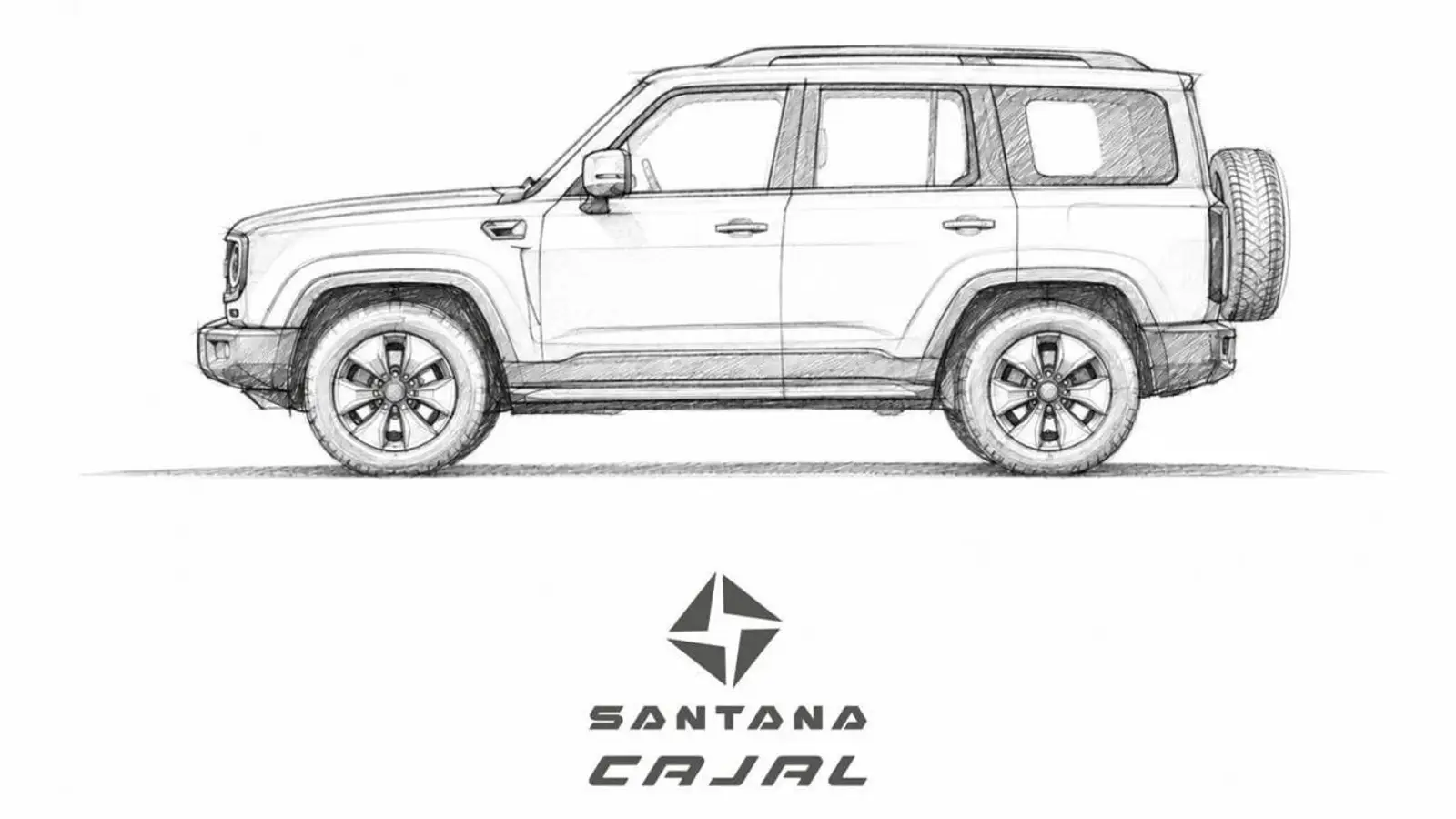 © Santana Cajal
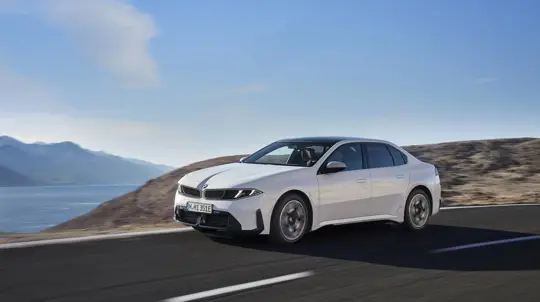
Spain's reborn Santana names its next SUV Cajal, after neuroscientist Ramón y Cajal. Around 4.7 m, full-time 4WD, petrol, diesel and later EREV — built on the BAIC BJ40 Pro.
Author: Polina Kotikova
Spanish brand Santana has named its next off-roader Cajal. Not just a nice-sounding word on the badge: the model is named after Santiago Ramón y Cajal, Nobel laureate and one of the founders of modern neuroscience. That’s an unusual move for the car business. Usually it’s mountains, winds or predators. Here — a scientist. More fun already.
Cajal will become the second model of the reborn Santana after the 400 pickup. Judging by the teaser and the available data, the off-roader will be close to the BAIC BJ40 Pro: Santana has an agreement with the Chinese group BAIC. The dimensions are already known: length around 4.7 m, width 1.9 m, wheelbase 2.7 m. The cabin seats five, drive — full-time four-wheel drive. Not a crossover with a «just-in-case» clutch, but a serious bid for real off-road ability.
At first Cajal will get petrol and diesel engines. Later an electric version with a range extender is due, an EREV setup. Right now this scheme is becoming a handy compromise: in the city you can run on electric power, and on longer trips you don’t depend on the charging infrastructure. Especially if the car is positioned as an off-roader rather than an urban gadget with a boxy body.
Cajal’s looks have already been partly previewed by the Santana SUV T1 racing prototype in the FIA T1 category. It runs a 3.0-litre turbodiesel of 300 hp, but the production car will, of course, be tamer. The reveal is set for July in Linares, Santana’s home town. Symbolic: that’s where Land Rover and Suzuki off-roaders were once built, until the company shut down in 2011.
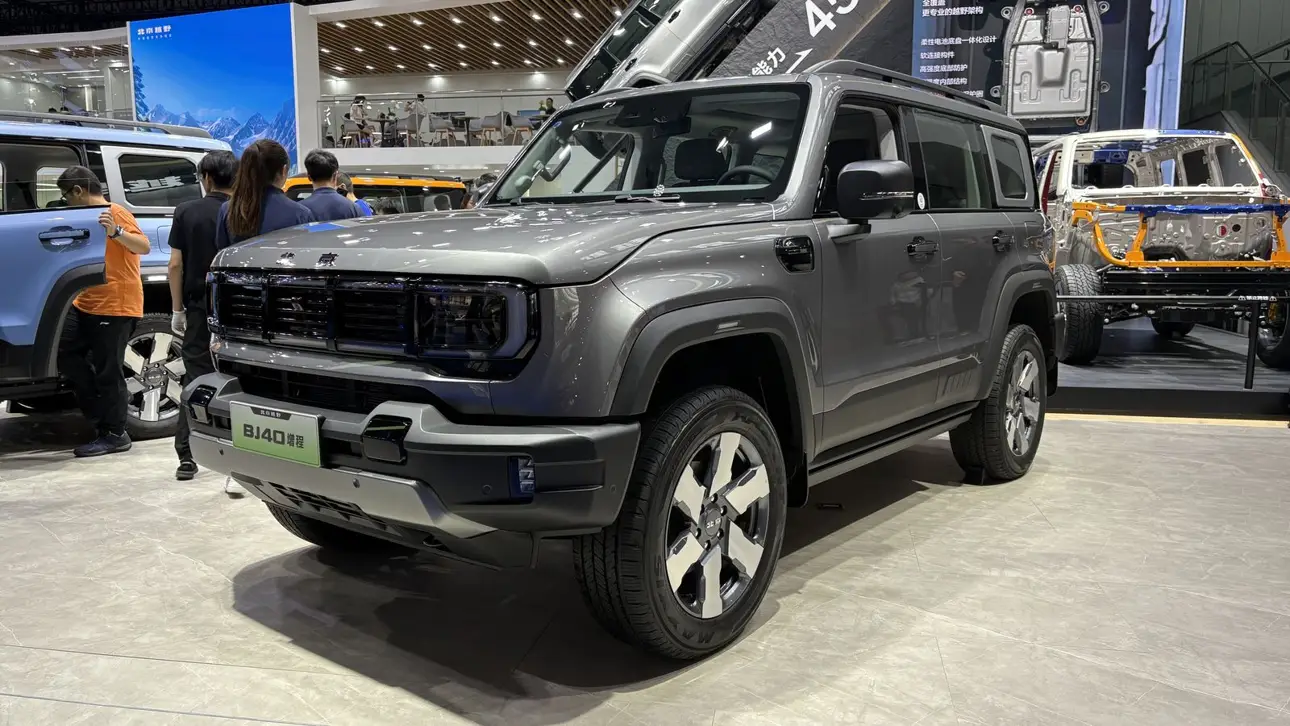
The new Santana range should include two mid-size SUVs, one compact and two large off-roaders. The launch is stretched over 2026–2028, and assembly in Linares will run from SKD kits. Which means we’re not yet talking about a full production cycle. That’s an important footnote usually swallowed in the pretty revival stories. First — screwdriver assembly and a demand test, only then the talk about real localisation.
Santana currently has 42 sales and service points covering 95% of Spain. For a new brand that’s not bad, but against Toyota, Jeep, Land Rover, Suzuki and the growing Chinese players, nostalgia alone won’t cut it. The off-roader buyer asks blunt questions: where do I service it, how long do I wait for a part, how does the car survive hard use, and what happens to residuals in three years.
Santana Cajal so far looks less like the return of old Spain and more like an honest attempt to use a Chinese base for a new off-road story. Less romance. Perhaps a better chance of surviving.
This English edition was prepared using AI translation under editorial oversight by SpeedMe. The original reporting is by Polina Kotikova
Latest Stories