The new Niro plays it smart: one powertrain, twice the screens
 © kiamedia.com
The refreshed Kia Niro drops complexity, doubles down on HEV, gets Star Map LEDs, ccNC infotainment, wireless CarPlay and a broader ADAS suite.
Author: Nikita Novikov
Kia has not just refreshed the Niro for the 2027 model year — it has narrowed its role. The focus is now on the HEV hybrid version, new equipment and a digital cabin. This is more significant than a routine facelift, because the Niro is effectively being turned into a compact tech-forward hybrid for buyers who are not ready for a pure EV but no longer want a plain gasoline crossover.
The line-up now consists of the LX, the new S, EX and SX/SX Touring trims. The S is meant to fill the gap between the base car and the pricier grades: buyers are promised a more expressive style without jumping straight to the top. Kia will announce pricing, EPA fuel economy and on-sale timing at dealers closer to the launch.
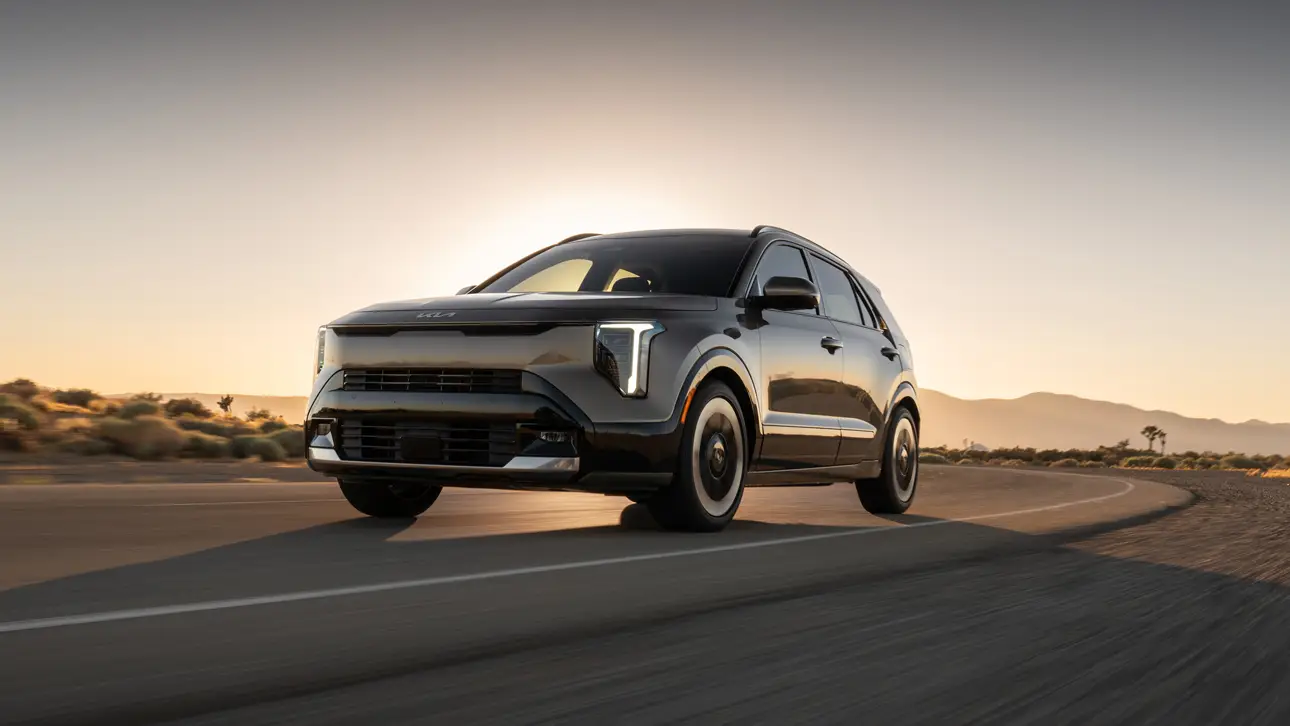
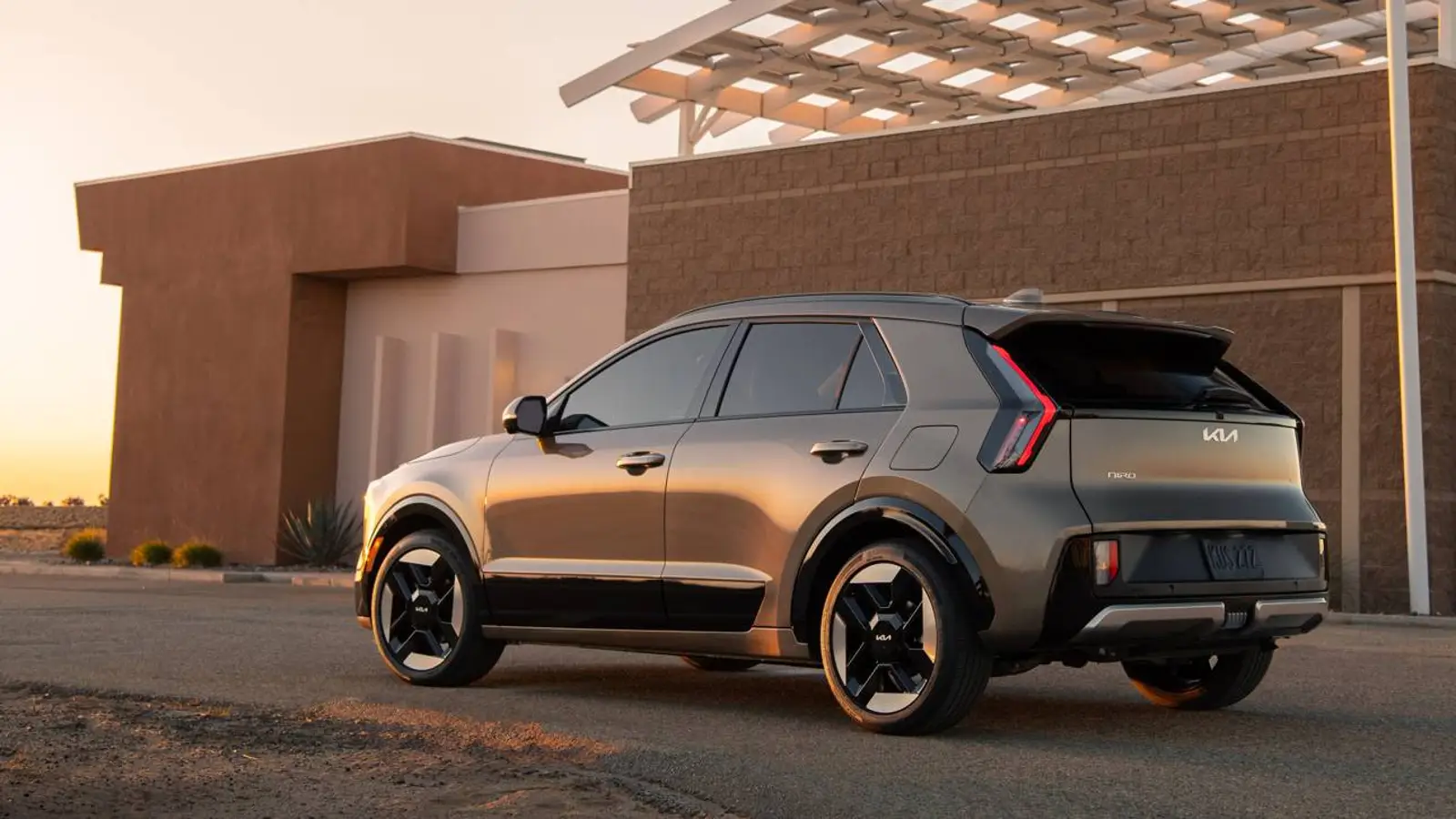
The exterior has been pulled in line with the brand’s current look: at the front there are Star Map LEDs with vertical-horizontal graphics, a reworked bumper and grille, while at the rear there are new three-dimensional LED tail lamps and a smoother lower section. Ivory Silver and Sunset Beige have been added to the palette. This is not a generational change, but visually the Niro is now closer to Kia’s freshest models rather than a mid-cycle car.
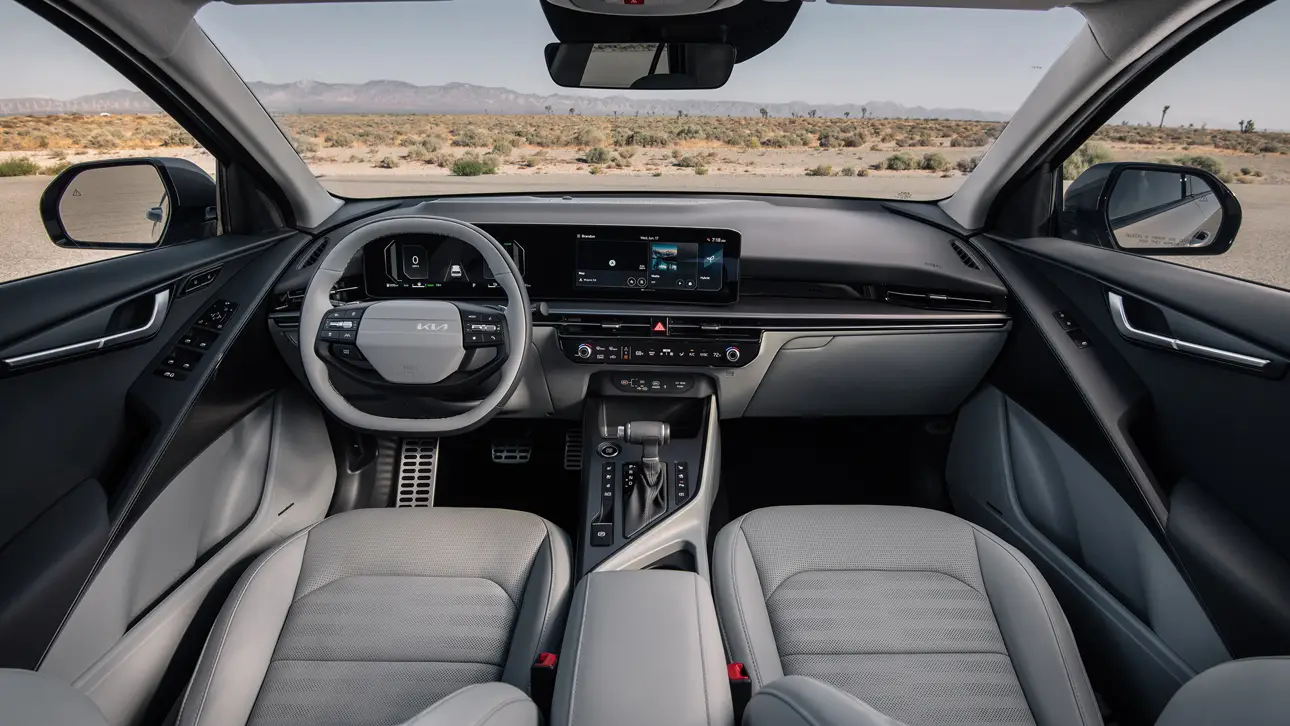
The big change is inside. A 12.3-inch centre screen is now standard, and on higher trims it is joined by a digital instrument cluster of the same size instead of the base 4-inch display. The Niro moves to the ccNC system: wireless Apple CarPlay and Android Auto are now available on every trim, OTA updates are supported, streaming services such as YouTube, Netflix and Disney+ are available when parked, there is a store for cabin themes and a voice-driven AI Assistant activated by the phrase «Hey, Kia». Orth Hedrick, Vice President of Product Planning at Kia America, is quoted as saying: «The Niro has established itself as an important part of the Kia line-up and continues to resonate with customers».
The mechanicals stay the same: a naturally aspirated 1.6-litre gasoline engine works together with an electric motor, and total output is 139 hp and 264 Nm. The car is front-wheel drive and uses a 6-speed DCT automatic rather than a CVT. Kia has also retuned the dampers and added sound-deadening in the floor and pillars to cut highway noise.
Safety has been noticeably upgraded: automatic braking now recognises turns at intersections, cyclists and oncoming traffic. Blind-spot monitoring, rear cross-traffic alert, Smart Cruise Control 2, Lane Keeping and Lane Following Assist 2 with a capacitive hands-on-wheel sensor are standard. SX Touring adds surround-view cameras, Blind-Spot View Monitor and Highway Driving Assist 2 with automated lane change on supported highways.
In terms of positioning, the Niro is interesting not to buyers who want the most size per dollar, but to those who value fuel economy, the resale strength of a Korean brand and the more familiar hybrid tech instead of a turbo engine with uncertain residuals. Direct benchmarks are the Toyota Corolla Cross Hybrid, the Hyundai Kona Hybrid and Chinese plug-in hybrids, but Kia offers a rare combination: compact footprint, DCT and rich electronic content without moving to a full EV.
The 2027 Niro has become more expensive in intent even before its price is announced: from now on people will buy it not for its simplicity, but for hybrid efficiency and the digital cabin.
This English edition was prepared using AI translation under editorial oversight by SpeedMe. The original reporting is by Nikita Novikov
Latest Stories