Peugeot Concept 6 and Concept 8: two Dongfeng-based EVs for China, not Europe
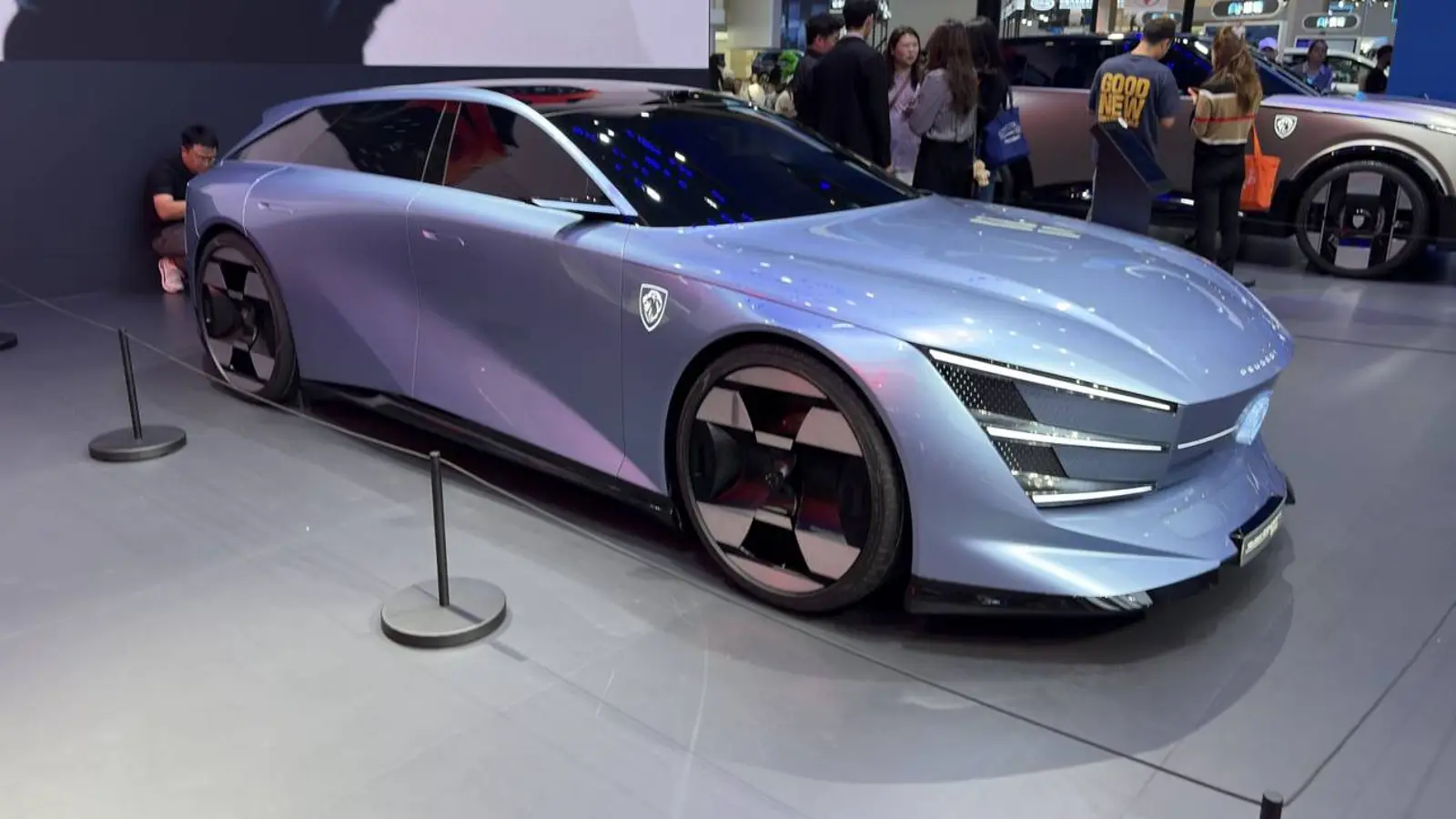 © A. Krivonosov
Peugeot will build two large EVs — a flagship wagon (Concept 6) and a big SUV (Concept 8) — on Dongfeng platforms for China and select export markets. CEO Alain Favey says they are not meant for Europe.
Author: Nikita Novikov
Peugeot is preparing two large electric models on a Dongfeng platform, but it has no plans to sell them in Europe. It is a significant pivot: the French brand is building a flagship wagon and a big SUV not for its home market, but for China and a handful of export destinations. The real story here is less the partnership with Dongfeng and more the admission that Chinese buyers want larger, more high-tech EVs brought to market faster than Peugeot’s traditional European line-up can deliver.
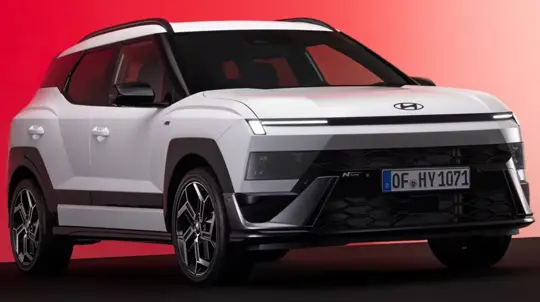
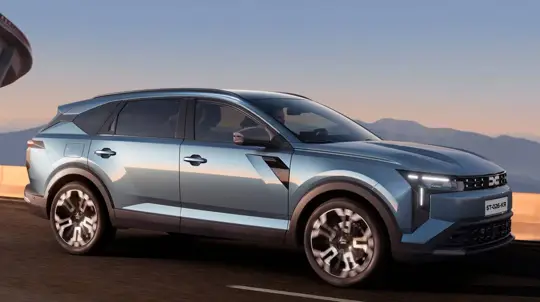
Both cars were shown earlier as concepts at the Beijing motor show. One prototype takes the shape of a sweeping D-segment wagon and could become the spiritual successor to the discontinued Peugeot 508. The other is a large SUV that will end up bigger than any production Peugeot currently sold in Europe. Dongfeng will provide the underpinnings and the electric drivetrains, but Peugeot boss Alain Favey stressed in an interview with Autocar: “We are developing these cars together with Dongfeng, it is a partnership. We are not slapping badges onto Dongfeng cars.”
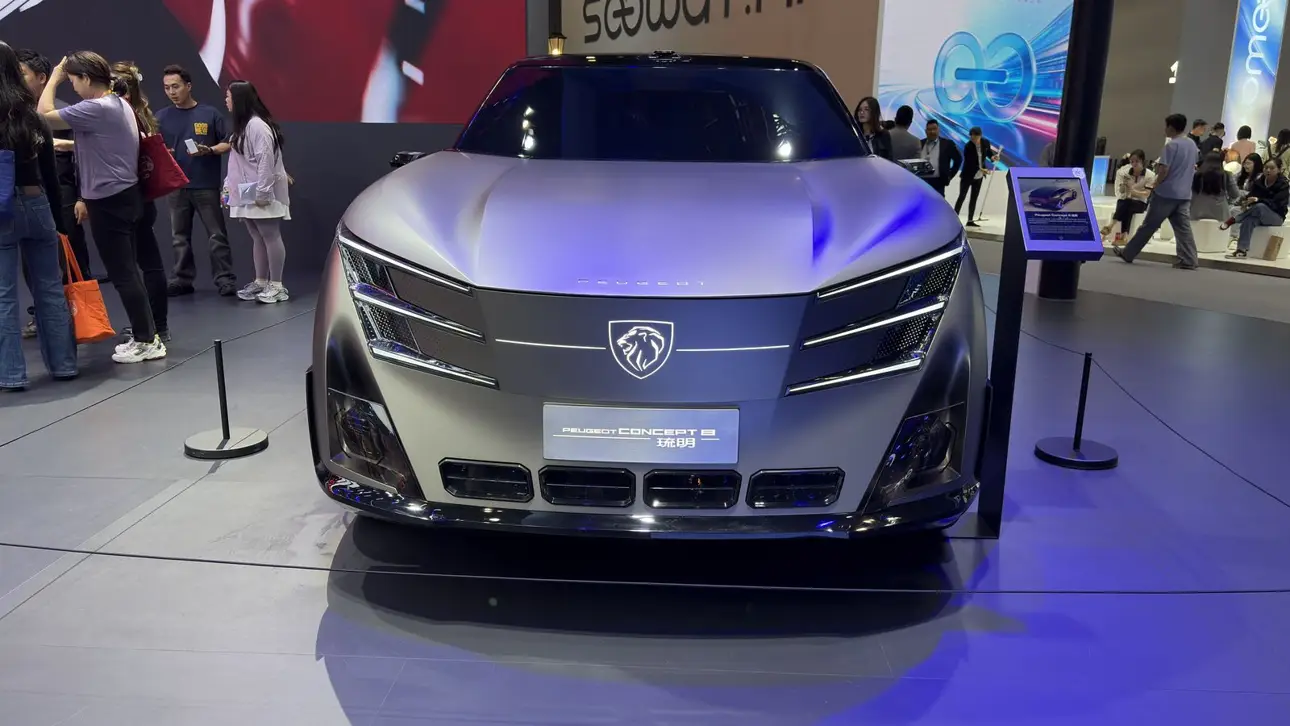
Peugeot is taking charge of all the exterior design and the interior. According to Favey, the company must make sure the new models feel like “real Peugeots” in their styling and cabin experience. At the same time, he has effectively set aside the question of matching European customers’ expectations: these cars will not appear in Europe, so Peugeot does not intend to judge them by European logic.
For Peugeot itself, the strategy splits in two. In China the brand needs large electric models capable of taking on BYD, Geely, Zeekr, Voyah, Avatr and Huawei’s partners. In Europe, meanwhile, the brand will focus through 2030 on seven new models built on Stellantis architectures: among them the next e-208, the new 308 and three French-built C-segment models.
This project shows a new reality: a European brand can stay French in its design, yet turn Chinese in its development speed and technical base.
This English edition was prepared using AI translation under editorial oversight by SpeedMe. The original reporting is by Nikita Novikov
Latest Stories