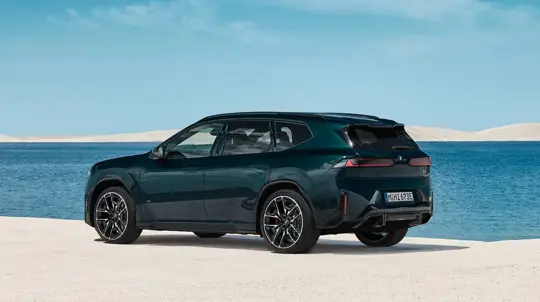
Volvo ES90 and EX90 2026 in Japan: prices, range and 800V architecture
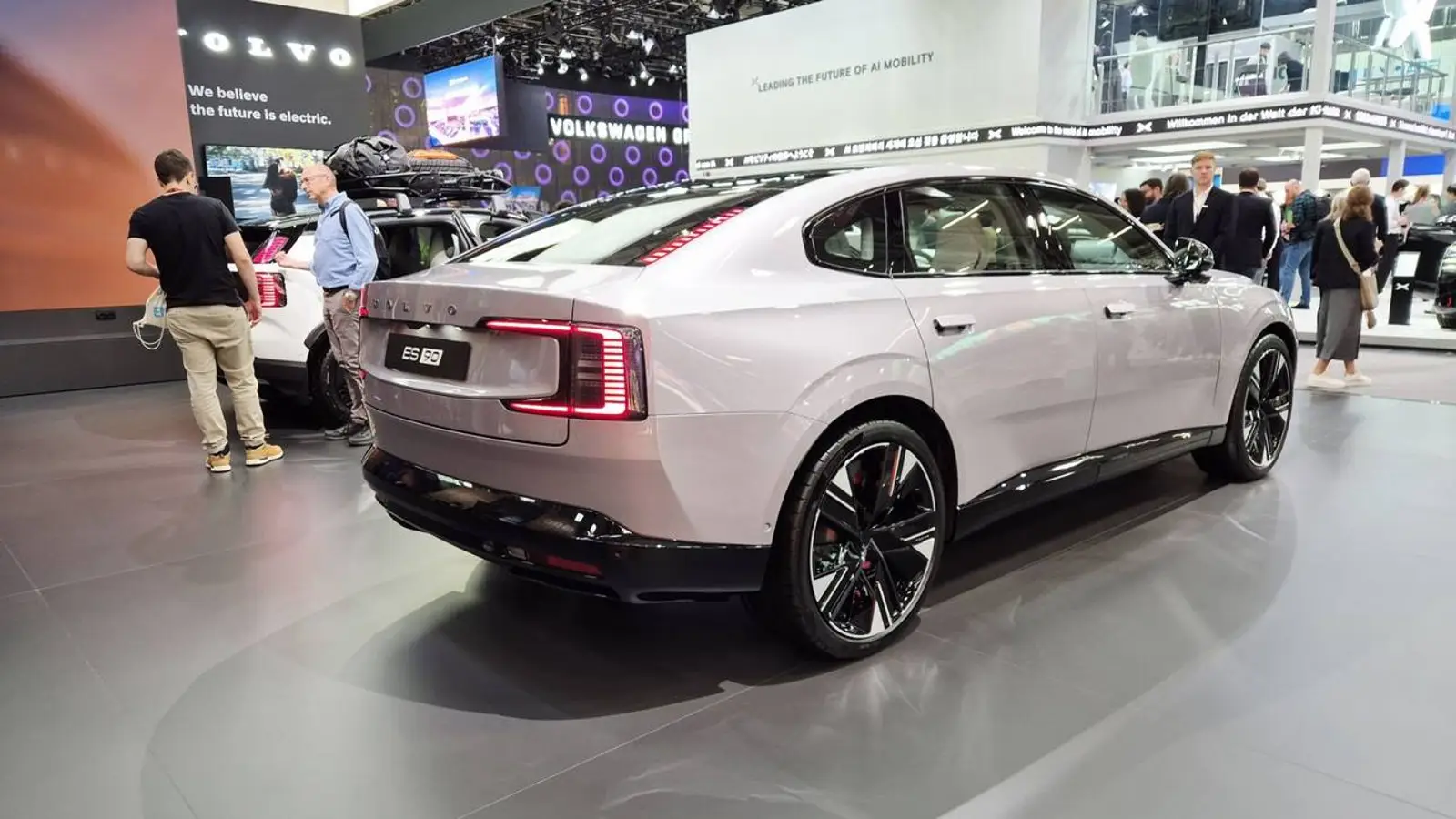 © A. Krivonosov
Volvo Car Japan opens sales of the ES90 sedan and seven-seat EX90 SUV with a strategic move: both electric flagships are priced next to the outgoing S90 and XC90 PHEVs, from 9.79 million yen.
Author: Nikita Novikov
Volvo has launched two electric flagships in Japan at the same time — the ES90 and the seven-seat EX90. The story here isn’t simply that the EVs have arrived, it’s the pricing strategy: Volvo Car Japan positions the new cars right next to the outgoing flagship PHEVs, so that buyers pick an electric car not because of subsidies or fashion, but as a straightforward alternative to the S90 and XC90.
The ES90 is a five-door hatchback wearing a sedan body, the successor to the S90. The entry-level Plus Single Motor Extended Range starts at 9.79 million yen — roughly 63,200 dollars. The Ultra Single Motor Extended Range is priced at 11.29 million yen, about 72,800 dollars, while the top Ultra Twin Motor Performance costs 12.29 million yen, around 79,300 dollars. The flagship version delivers 680 hp and 720 km on the WLTC cycle from a 106 kWh battery, with 0–100 km/h in 4.0 seconds. For a flagship electric sedan this is an attempt to move into the regular premium bracket rather than the “expensive toy” niche.
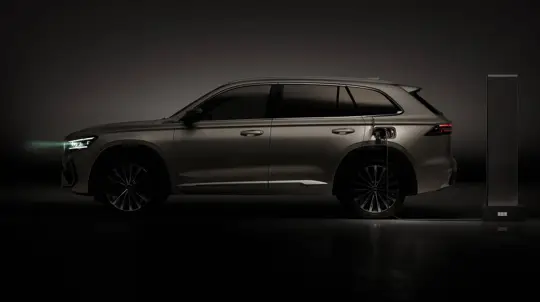
The EX90 is pricier and more practical: a three-row seven-seat SUV that takes on the role of an electric alternative to the XC90. The Plus Twin Motor costs 11.99 million yen — about 77,400 dollars. The Ultra Twin Motor is priced at 13.49 million yen, roughly 87,000 dollars, and the top Ultra Twin Motor Performance at 13.99 million yen, some 90,300 dollars. It runs the same 106 kWh battery, delivers 650 km of WLTC range, and the range-topper matches the ES90 with 680 hp and 0–100 km/h in 4.2 seconds.
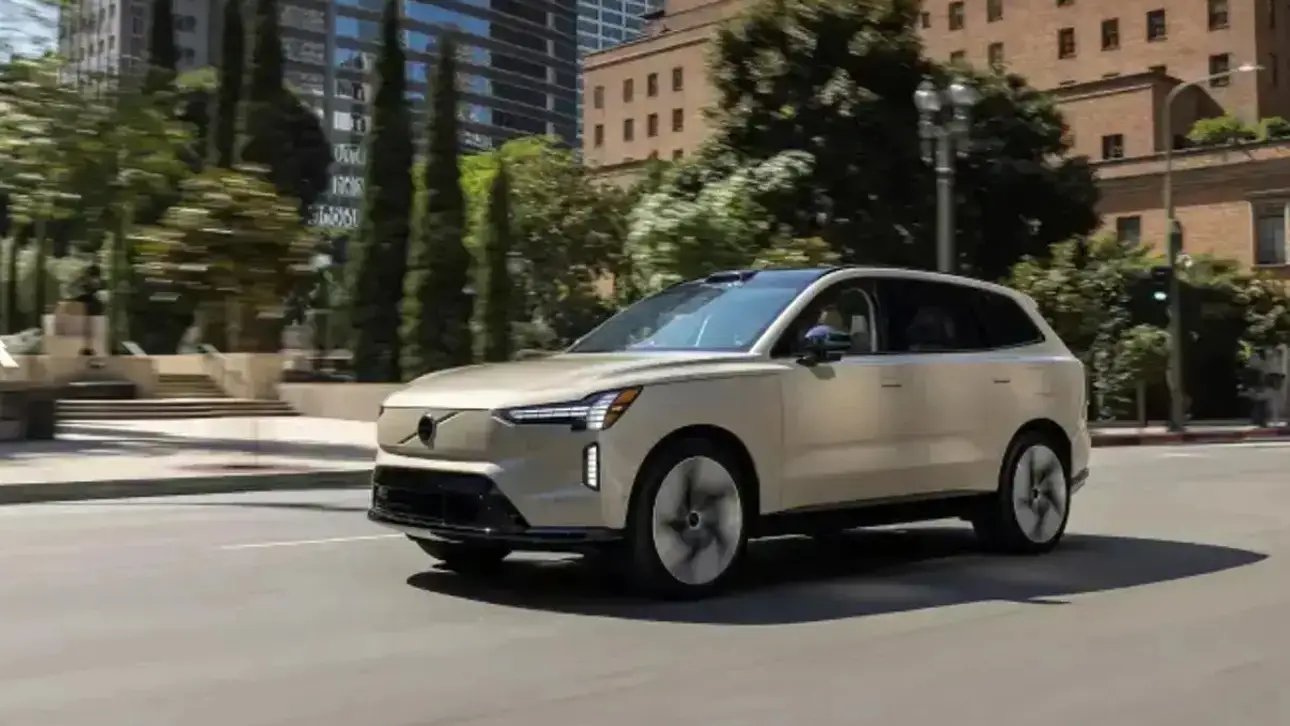
Both models use an 800-volt architecture designed for today’s charging stations as well as the higher-power infrastructure to come. For the ES90 the emphasis is on combining sedan and crossover practicality: a taller, more versatile format is meant to replace the classic large sedan without turning the car into an SUV. The EX90 matters more technically — Volvo calls it the brand’s first true software-defined car, capable of OTA updates and continued feature expansion without a dealer visit.
The stance of Volvo Car Japan chief Edson Ishikawa is telling: he says openly that the choice between EV and PHEV shouldn’t come down to price. The brand isn’t walking away from PHEV and MHEV, but it wants buyers to pick a powertrain that matches their lifestyle. That matters especially in Japan, where the market is cautious about large electric cars because of charging, parking and demanding service expectations.
In markets without official distribution the ES90 and EX90 are more likely to arrive through parallel imports rather than as mainstream products. The ES90 will compete with the BMW i5, Mercedes-Benz EQE and Audi A6 e-tron, while the EX90 goes up against the BMW iX, Mercedes EQS SUV, Li Auto L9 and Aito. Volvo has strong arguments — safety, image, European ergonomics and a clear identity. The weak points are equally obvious: battery warranty, software updates, body panels and high-voltage service will depend on the specific supply channel.
What Volvo is really selling here isn’t two EVs but a new pricing benchmark: once a large electric car costs the same as the previous PHEV flagship, the argument gradually shifts from “is it too expensive” to whether the owner is ready to live with charging every day.
This English edition was prepared using AI translation under editorial oversight by SpeedMe. The original reporting is by Nikita Novikov
Latest Stories