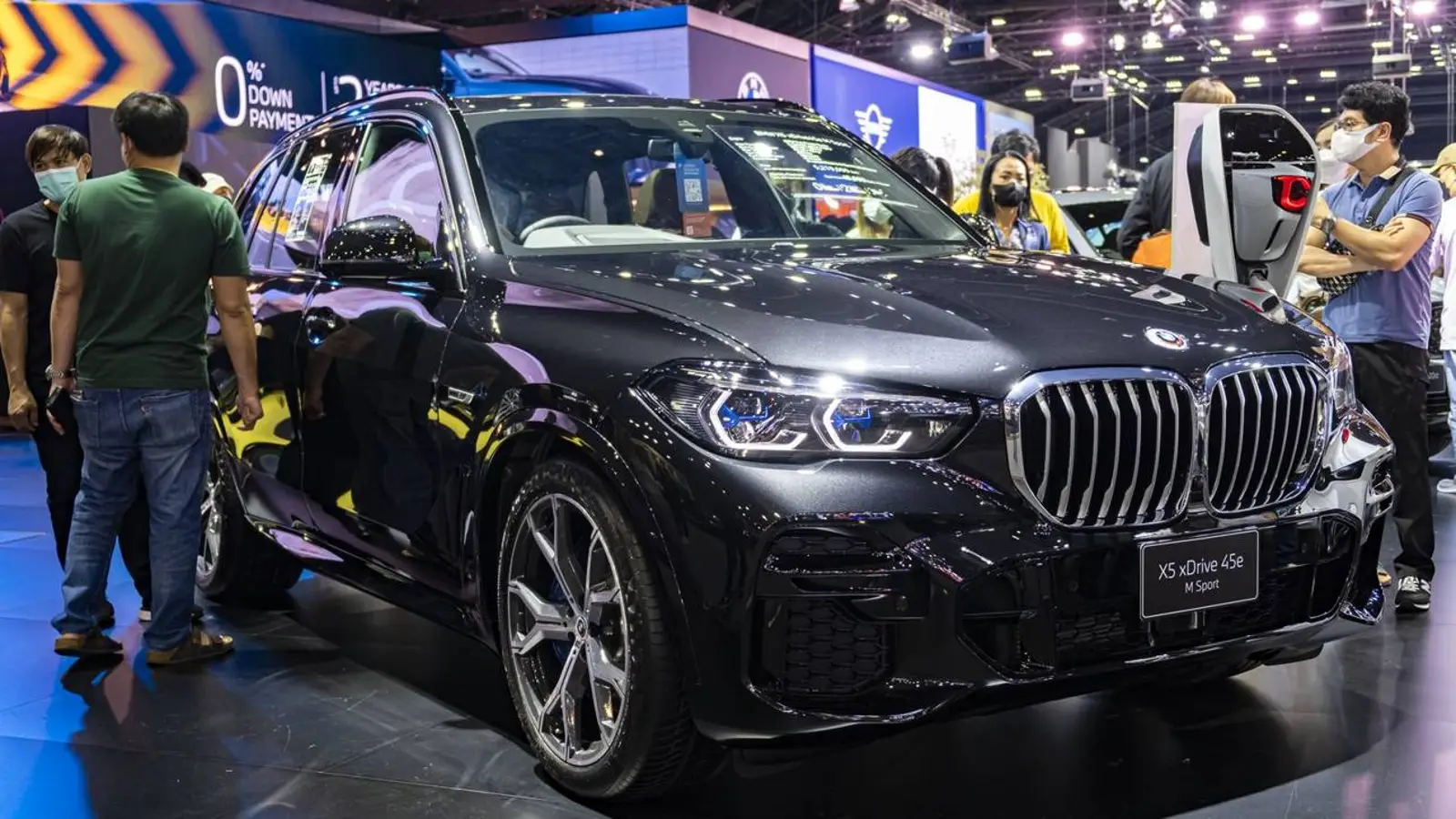
BMW sales rise in Russia with limited local assembly
 © A. Krivonosov
BMW sales in Russia surged to 145 units in 2025, nearly tripling despite production halt. Learn about local assembly, safety risks, and market trends.
Author: Nikita Novikov
Despite BMW ending official production in Russia, sales of new locally assembled vehicles surged to 145 units in 2025, nearly tripling according to traffic police registration data. Sources at Kommersant explain that this involves continued final assembly of models using remaining 2022 vehicle kits at Kaliningrad's Avtotor plant. The manufacturer hasn't responded to inquiries, but dealers confirm these cars exist in limited quantities and are sold through the network, though many partners fear damaging relations with BMW distribution.
Back in March 2025, BMW's Russian office emphasized that quality control isn't conducted over such assembly. Some components may have degraded due to long storage or been replaced with third-party parts. The company warned about safety risks and warranty service complications. Online platforms also note potential difficulties sourcing original spare parts.
Market participants estimate assembly could continue into 2026, though only a small number of remaining CKD kits are available. Experts acknowledge that theoretically, CKD supplies from China might be possible through the BMW Brilliance joint venture, despite the corporation's official stance of categorically opposing any shipments to Russia, including parallel imports. In practice, some analysts believe there might be tacit acceptance of such routes, but no guarantees exist.
Before BMW's exit from the Russian market, Avtotor produced X5, X6, and X7 models and was preparing a full-cycle facility for X5/X6/X7 and 5 Series vehicles. That new plant never became operational. From 1999 to 2021, over 261,000 BMWs were assembled at the Kaliningrad site. The facility now focuses on BAIC, Jetour, and other Chinese brands.
Interest in BMW remains strong in Russia. Analyst data shows brand sales grew 42% in 2025, reaching 16,740 vehicles. This demonstrates BMW continues to be one of the most sought-after brands in the market, even amid changed production and logistics realities.
This English edition was prepared using AI translation under editorial oversight by SpeedMe. The original reporting is by Nikita Novikov
Latest Stories