Forget the car — NVIDIA wants to own the brain inside it
 © NVIDIA
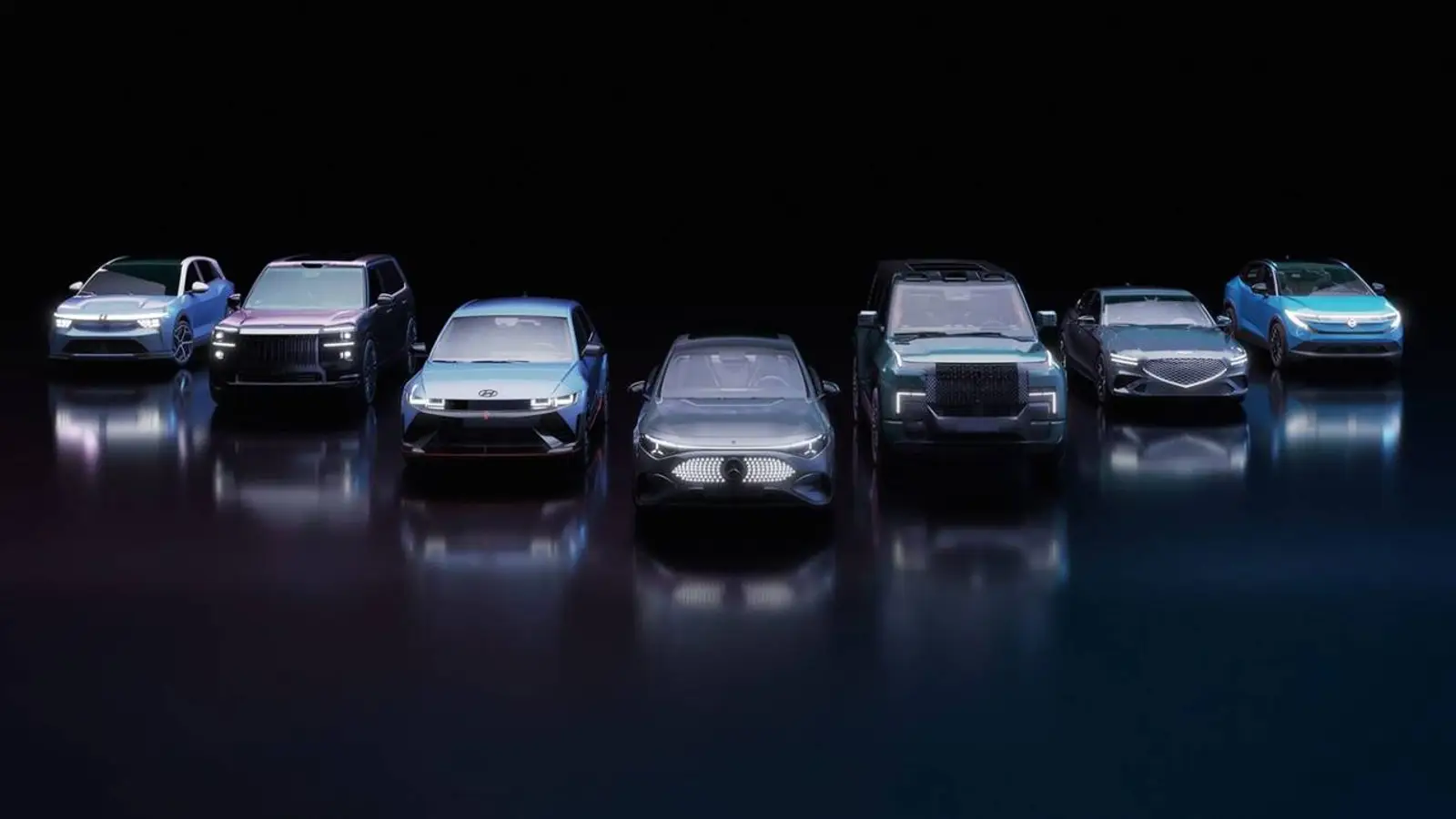
NVIDIA tightens its grip on the robotaxi race: BYD, Geely, Nissan and Uber join its Level 4 platform, with 28 cities targeted by 2028.
Author: Dmitry Novikov
NVIDIA is tightening its grip on the robotaxi race. The company has expanded its DRIVE Hyperion ecosystem: BYD, Geely, Nissan and Uber are signing on to the platform built for Level 4 autonomous vehicles.
DRIVE Hyperion — is not just a chip for driver-assistance systems. The platform bundles compute units, sensors, software and the NVIDIA Halos safety architecture into a single stack. Its job — is to hand automakers a ready-made foundation for vehicles that can drive without a human in defined zones and conditions.
BYD and Geely now have a shortcut from advanced driver assistance to full robotaxis. Nissan plans to use the platform for its own autonomous projects, while Uber is doubling down on its partnership with NVIDIA: the goal — is to launch driverless rides in 28 cities across four continents by 2028, kicking off in Los Angeles and San Francisco in the first half of 2027. For the market, this is a meaningful shift: instead of dozens of fragmented stacks, there’s now a common technological base that can be adapted to different vehicles.
The twist is that NVIDIA isn’t building its own car. It wants to be the brain inside everyone else’s — from Chinese EVs to ride-hailing services. That puts the company shoulder to shoulder with Tesla, Waymo and the rest, but on a different model: not one walled garden of vehicles, but an ecosystem for manufacturers and operators.
For consumers, the robotaxi is still a promise rather than a mass-market service. But if BYD, Geely, Nissan and Uber really do converge on a single platform, the rollout of these services could get both faster and cheaper.
The auto industry argues over body styles and badges, while NVIDIA quietly walks off with the most expensive layer — the intelligence of the car itself.
This English edition was prepared using AI translation under editorial oversight by SpeedMe. The original reporting is by Dmitry Novikov
Latest Stories