Volvo Electric Sedan and Wagon for the US 2028: What's Known So Far
 © A. Krivonosov
Volvo is reportedly evaluating an electric sedan and wagon for the US on the SPA3 platform, with a possible 2028 launch and around $50,000 starting price.
Author: Polina Kotikova
Volvo is reportedly weighing a return of two passenger body styles to the US market — an electric sedan and an electric wagon. According to Automotive News, both cars are already being engineered for Europe, with the possibility of a US version under evaluation for 2028. Volvo itself has not confirmed either model, so the timing and specs still belong to an unofficial product plan.
Sources link both newcomers to the SPA3 electric architecture underpinning the Volvo EX60. The production crossover uses an 800-volt system, charges from 10-80% in 16 minutes, and offers up to 810 km of WLTP range. Carrying those figures over to a sedan and wagon isn't accurate yet: better aerodynamics could stretch the range further, but battery and powertrain specifics haven't been disclosed.
The expected starting price is around $50,000. The combined annual volume for both models is estimated at just 10,000 units, pointing to a niche play rather than an attempt to win back mass-market share for sedans. Both figures also come from unofficial sources.
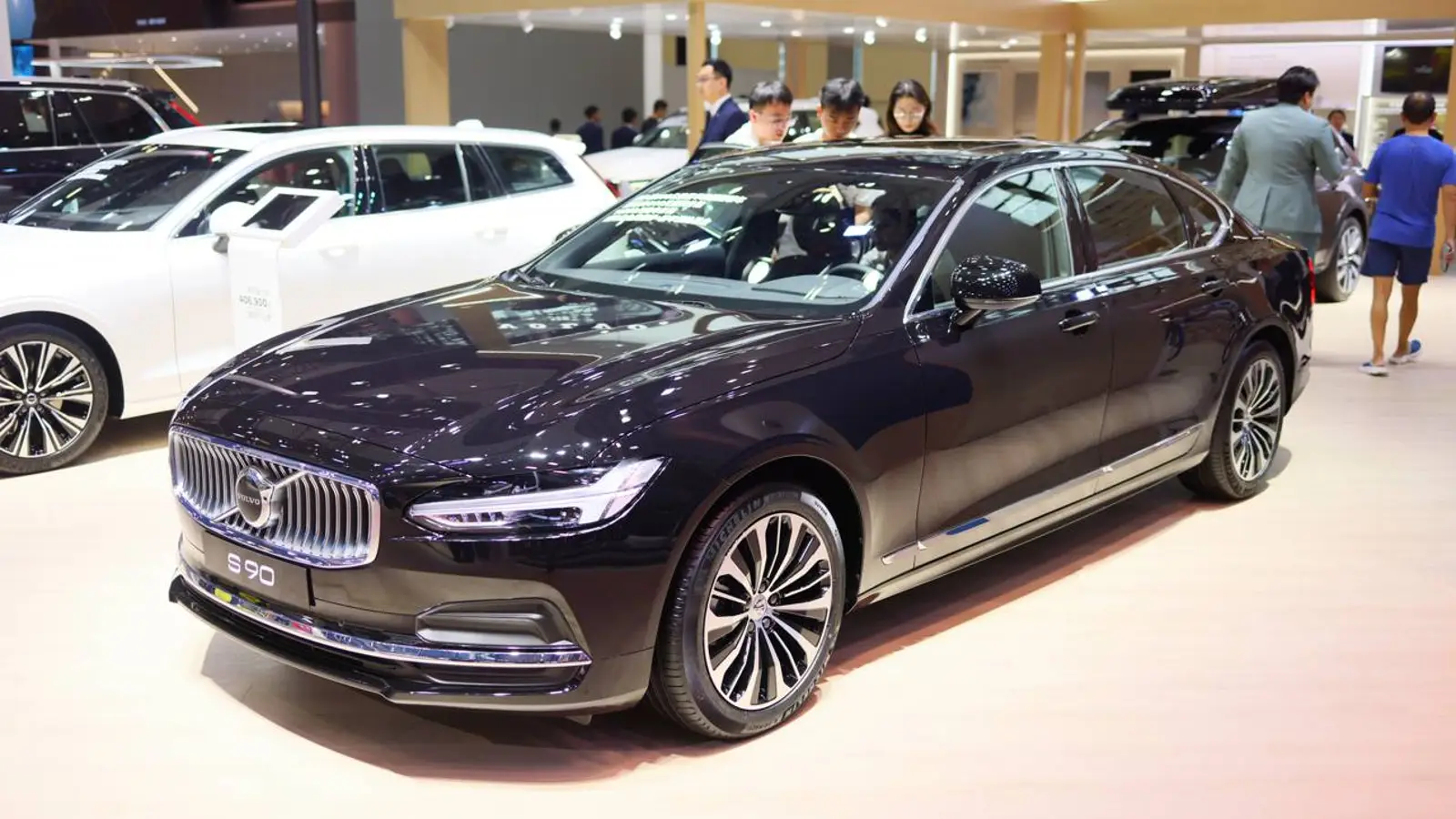
Volvo's American lineup has genuinely been shedding traditional passenger models: the S90 is no longer offered new, though the 2026 V60 Cross Country still remains on the brand's official site. So it's premature to call wagons extinct just yet.
An added factor is Polestar's exit from the US with 2027 model-year cars. The company said the US regulator declined to grant it authorization under the connected-vehicle rules covering Chinese technology, while Volvo itself was earlier cleared by the same regulator under this rule. Those restrictions kick in for software and manufacturers starting with the 2027 model year, but there's no evidence tying the Polestar decision directly to Volvo's plans.
For Volvo, a wagon could end up being less a mass-market alternative to crossovers than a way to hold onto the brand's traditional audience. Its prospects will be easier to judge once the project is officially confirmed — for now, even the model names and markets beyond the presumed European one remain unknown.
This English edition was prepared using AI translation under editorial oversight by SpeedMe. The original reporting is by Polina Kotikova
Latest Stories