Toyota, Honda and Nissan parts standardization 2026: what Koji Sato’s JAMA plan actually covers
 © A. Krivonosov
Toyota’s new Chief Industry Officer Koji Sato is pushing Japanese automakers toward shared material and component standards to cut costs and free up resources for EV and software development.
Author: Nikita Novikov
Toyota’s Koji Sato, who became Chief Industry Officer at the automaker on April 1, 2026, is urging Japanese carmakers to expand cooperation in areas where going it alone gives buyers no real advantage. This isn’t about merging brands or building identical cars — it’s about shared requirements for materials, base components, manufacturing processes and logistics.
Sato had already become chairman of the Japan Automobile Manufacturers Association (JAMA) back in January 2026, and in April he took on the newly created Chief Industry Officer role at Toyota while also becoming vice chairman. The company said the move was meant to speed up industry-wide cooperation and strengthen the international competitiveness of Japan’s auto sector.
One example is steel specifications. Right now, a supplier may end up producing several nearly identical material variants simply because Toyota, Honda, Nissan and other brands each set slightly different tolerances. Common requirements would cut the number of production steps, simplify procurement and make it easier to ramp up output when specific components run short.
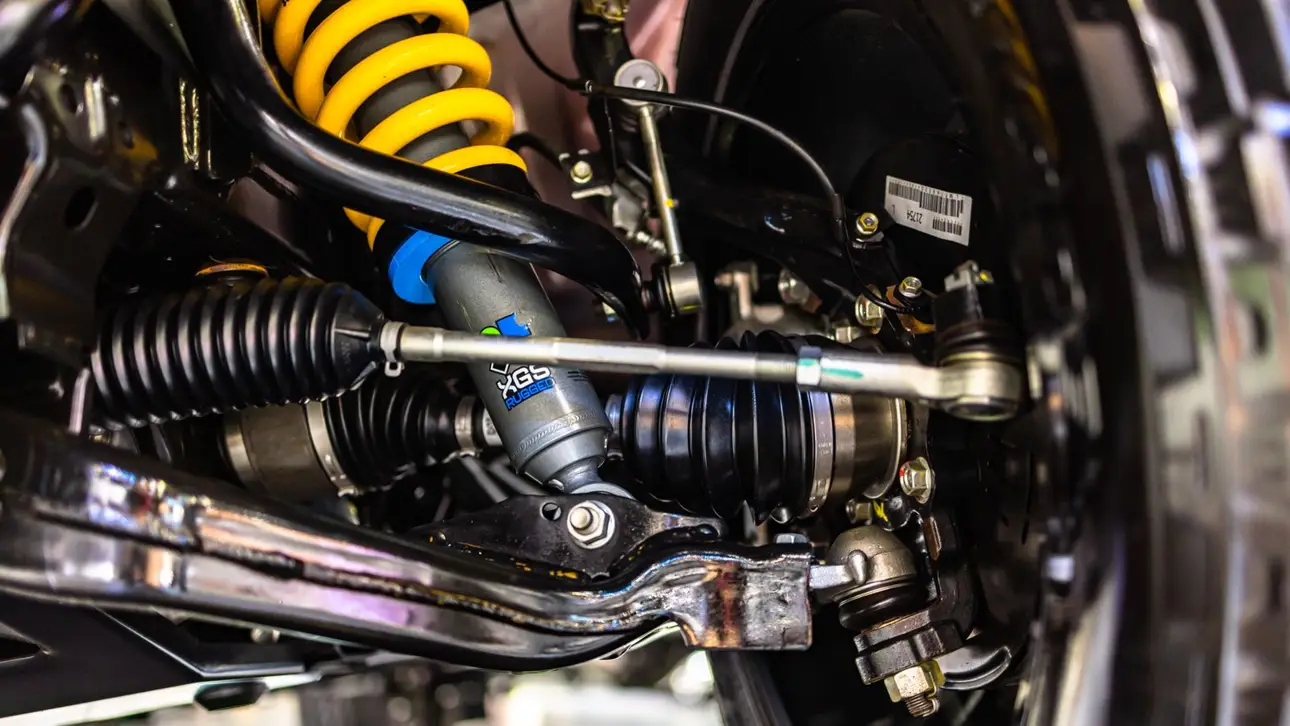
JAMA’s official program already includes standardizing parts and materials, building a shared digital logistics platform, and working jointly on supply-chain resilience. The association expects this to lift productivity across the whole industry and reduce the risk of production stoppages caused by shortages of raw materials or components.
At the same time, differences in design, chassis tuning, powertrains, software and user features are meant to stay — those are exactly the areas where automakers are being asked to keep competing. The resources freed up elsewhere could go toward batteries, electrical architectures and automated-driving systems.
The project is still at the discussion stage: there’s no approved list of standardized parts yet, and no transition timeline. JAMA’s leadership acknowledges that the old vertical supplier-manufacturer relationship model is slowing down fast cooperation, even though without it, Japanese companies will find it harder to hold their ground globally.
For owners of Japanese cars, quick changes shouldn’t be expected. Longer term, standardization could make some consumable parts more interchangeable and reduce shortage risks, but electronic modules, body panels and key assemblies will most likely stay tied to specific models.
This English edition was prepared using AI translation under editorial oversight by SpeedMe. The original reporting is by Nikita Novikov
Latest Stories