MOIA ID. Buzz AD in Hamburg 2026: where it runs, how to book and what it costs
 © Volkswagen MOIA
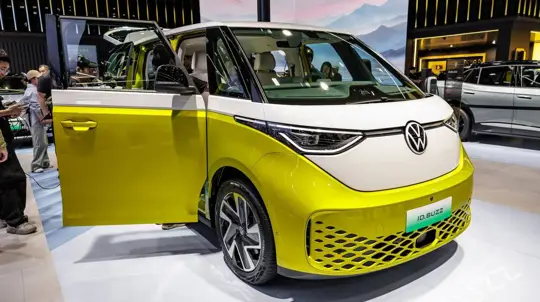
MOIA has opened public trials of the autonomous ID. Buzz AD in Hamburg, offering free rides with a safety driver still on board.
Author: Dmitry Novikov
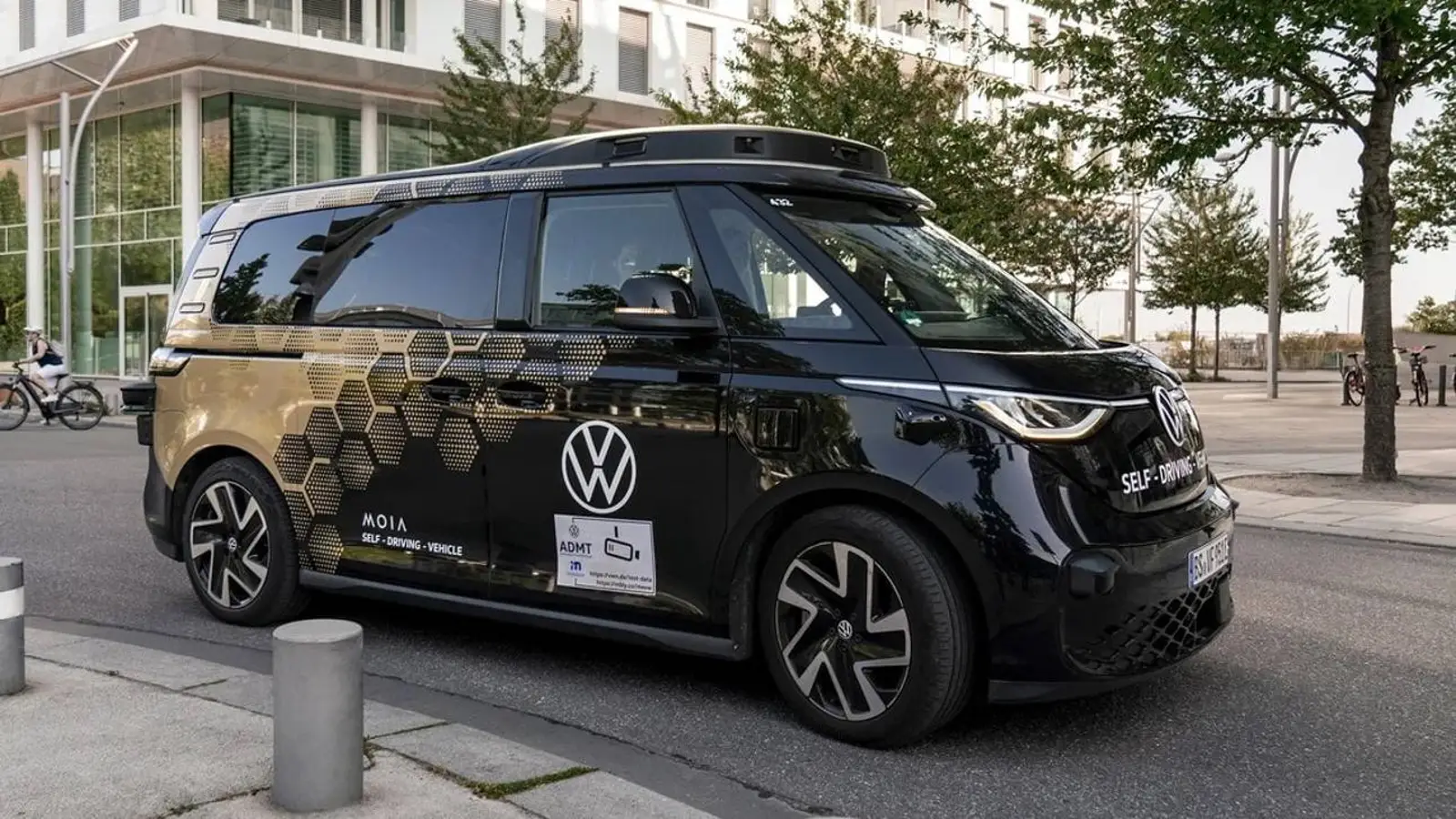
Volkswagen’s mobility unit MOIA has opened public trials of the autonomous ID. Buzz AD in Hamburg. Pre-registered residents can book a free ride through the MOIA app, with integration into the city’s hvv switch platform planned later. For now, the vans operate only in parts of the Winterhude, Barmbek and Wandsbek districts, and the fleet is limited to ten minivans.
Calling the service fully driverless would be premature: a safety driver sits behind the wheel of every vehicle, ready to intervene if needed. The automated system handles acceleration, braking and steering only within a predefined zone. That fits the definition of Level 4 autonomy, but it doesn’t mean the vehicle can drive anywhere on Germany’s roads without restriction.
The ID. Buzz AD is fitted with Mobileye’s self-driving system and 27 sensors: 13 cameras, nine lidars and five radars. Together they build a 360-degree picture of the surroundings, while MOIA’s software platform assigns rides, plans routes and manages the fleet. Passengers aren’t picked up at just any doorstep — only at virtual stops designated inside the app.
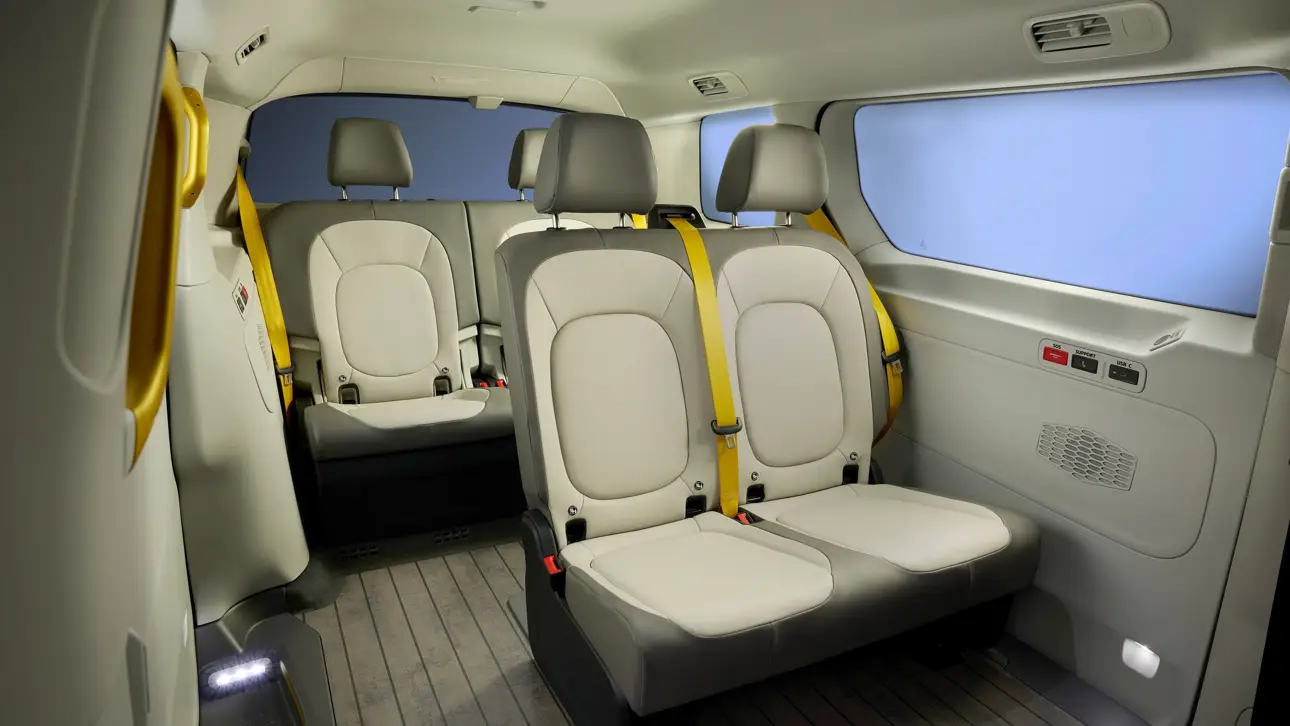
The autonomous version is built on the electric, long-wheelbase ID. Buzz. MOIA cites 210 kW (286 hp) of power and a range of roughly 377 km, but that’s the rated figure for the standard production van. MOIA hasn’t disclosed the actual range once the extra sensors, computers and constantly running climate system are factored in.
Hamburg’s ALIKE project aims to test not just the technology, but whether passengers are ready to share autonomous rides with strangers. Rides are free right now precisely because this is still a trial, not a full commercial robotaxi service. MOIA has previously pushed back the start of open passenger testing, so a launch with a limited pool of users remains an intermediate step.
For Volkswagen, what matters more is the scale-up that follows. The company is preparing to launch the ID. Buzz AD with Uber in Los Angeles and aims to grow its global autonomous fleet to 100,000 vehicles by 2033. But the real sign of the project’s maturity won’t be the sensor count — it will be permission to run without a safety driver and to start charging ordinary passengers.
This English edition was prepared using AI translation under editorial oversight by SpeedMe. The original reporting is by Dmitry Novikov
Latest Stories