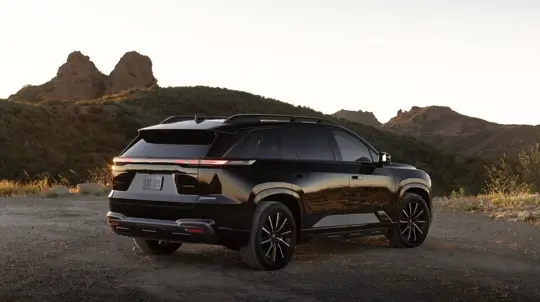
The new Bolt rewrites the EV charging rulebook: 80% is no longer the right answer
 © A. Krivonosov
GM says the 2027 Bolt should be charged to 100% for daily use and at least once a week — the opposite of the usual 80% EV rule.
Author: Nikita Novikov
The new Chevrolet Bolt 2027 has more than a redesigned exterior, a new cabin and a new powertrain. GM has separately spelled out how to charge it, and the most striking piece of advice breaks with the usual EV logic: for everyday driving, owners are told to keep the upper charge limit set to 100%.
EV owners are normally advised to stop at 80% to take the load off the battery. For the Bolt 2027, GM instead asks drivers to charge the pack to 100% at least once a week and to use that limit in regular use. The point isn’t to squeeze maximum range out of every commute — it’s about accuracy: a full charge helps the car read the battery level correctly and estimate range more reliably.
The lower end of the scale shouldn’t be tested either. GM advises avoiding drops below 20% whenever possible, so the battery management system keeps an energy reserve and the driver sees fewer low-charge warnings. In the mountains the logic flips: before a route with long descents, it’s better to cap the charge at 80% or lower, otherwise regenerative braking has nowhere to put the recovered energy.
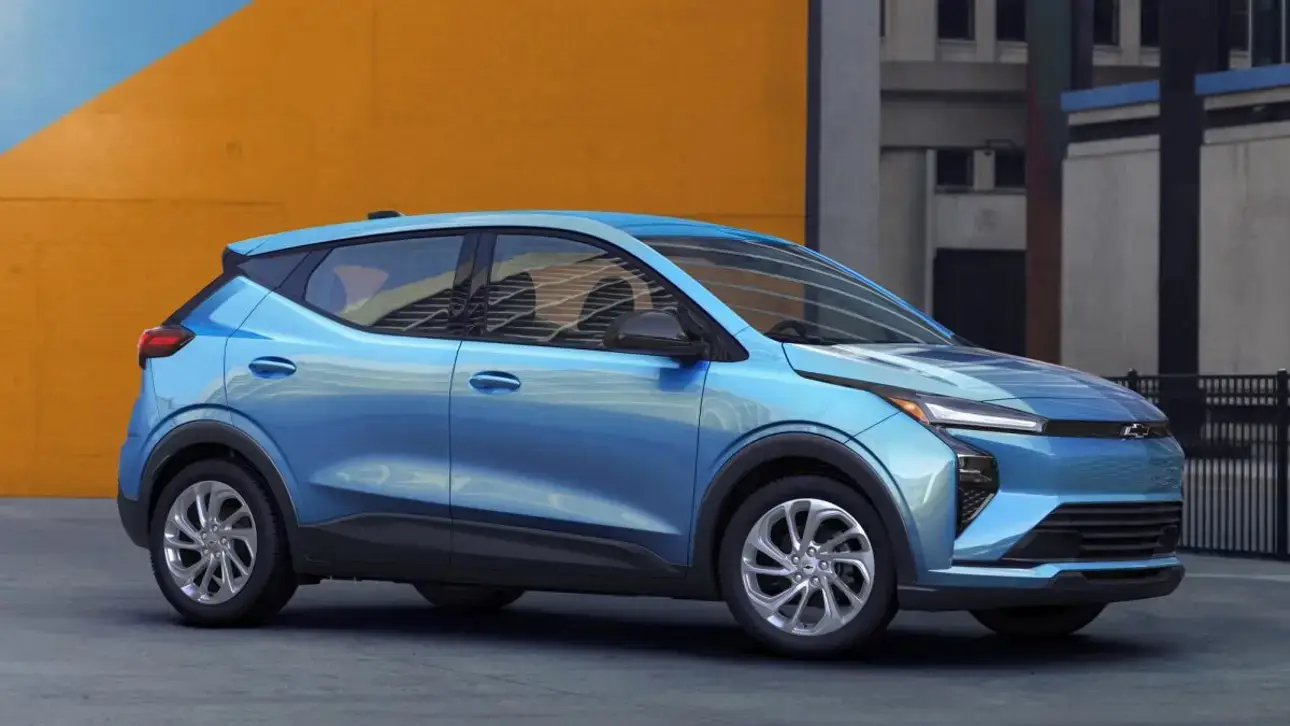
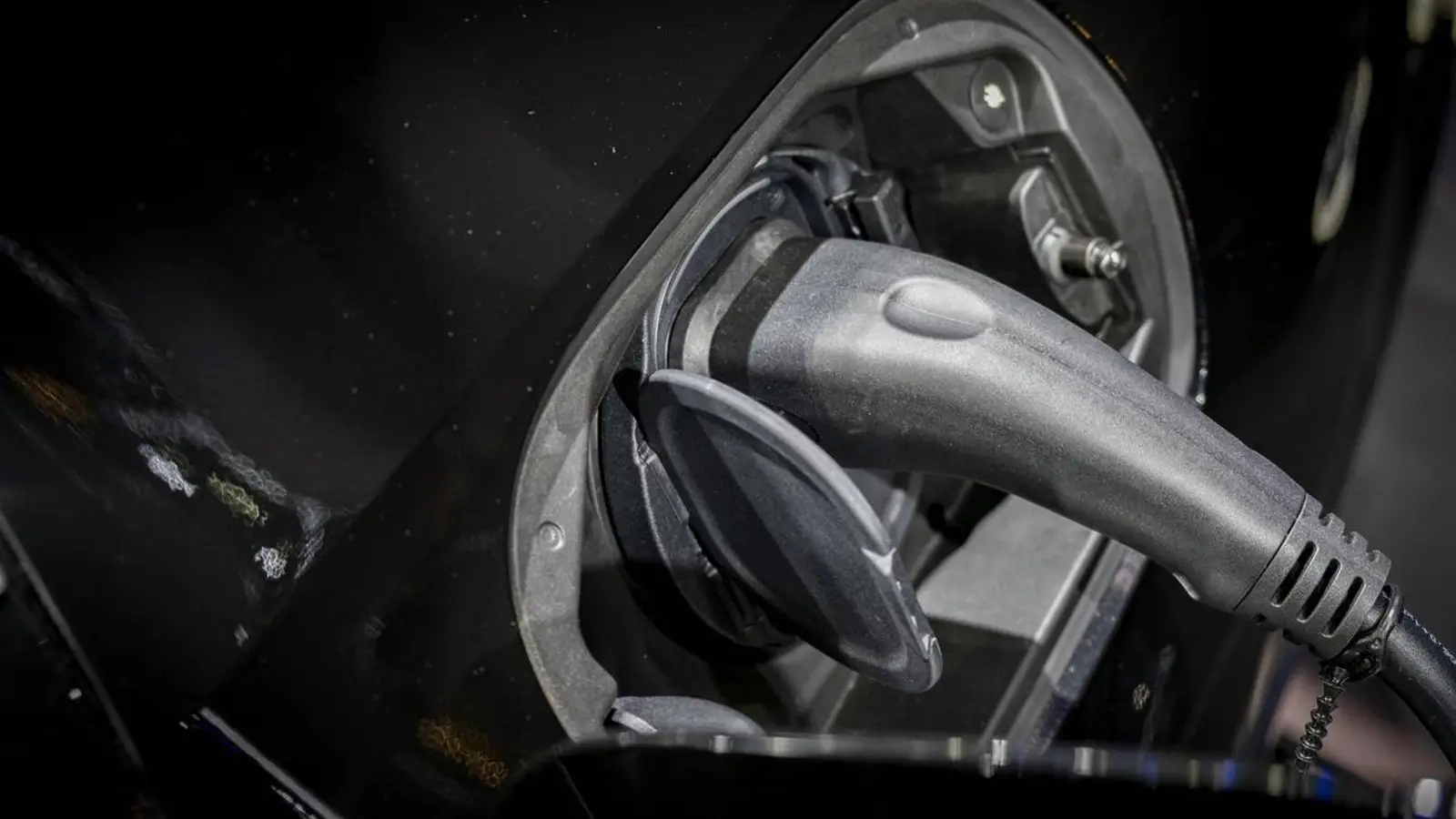
Temperature is another factor. In frost below 0 °C (32 °F) or heat above 32 °C (90 °F), it’s better to leave the Bolt plugged in, especially when the car sits for long stretches. That way the battery can pre-condition itself and suffer less from extreme conditions. For charging, GM specifically warns against using damaged cables, handles and connectors: cracks, exposed wires or missing contacts aren’t a small thing — they’re a direct risk to the car.
The Bolt 2027 supports slow AC charging and fast DC charging. The first is better for overnight charging at home, the second for stops on the road. Versions with Fast Charge Prep can warm up or cool down the battery in advance if the charging station is entered into the navigation; the prep routine can also be triggered manually. The NACS connector is standard, but some stations will still need an adapter.
The practical takeaway from the new Bolt is simple: charging is no longer «plug it in and forget» — it’s part of the route, the climate and the driver’s habits.
This English edition was prepared using AI translation under editorial oversight by SpeedMe. The original reporting is by Nikita Novikov
Latest Stories