From KP31 to Stockman: how Chery is muscling into the Hilux paddock
 © cheryinternational.com
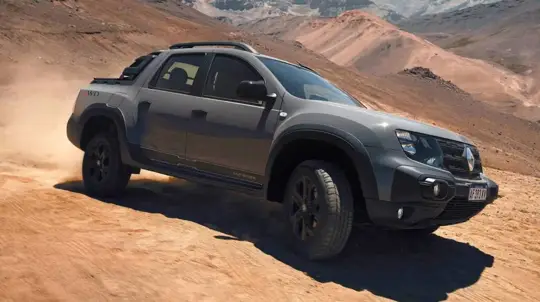
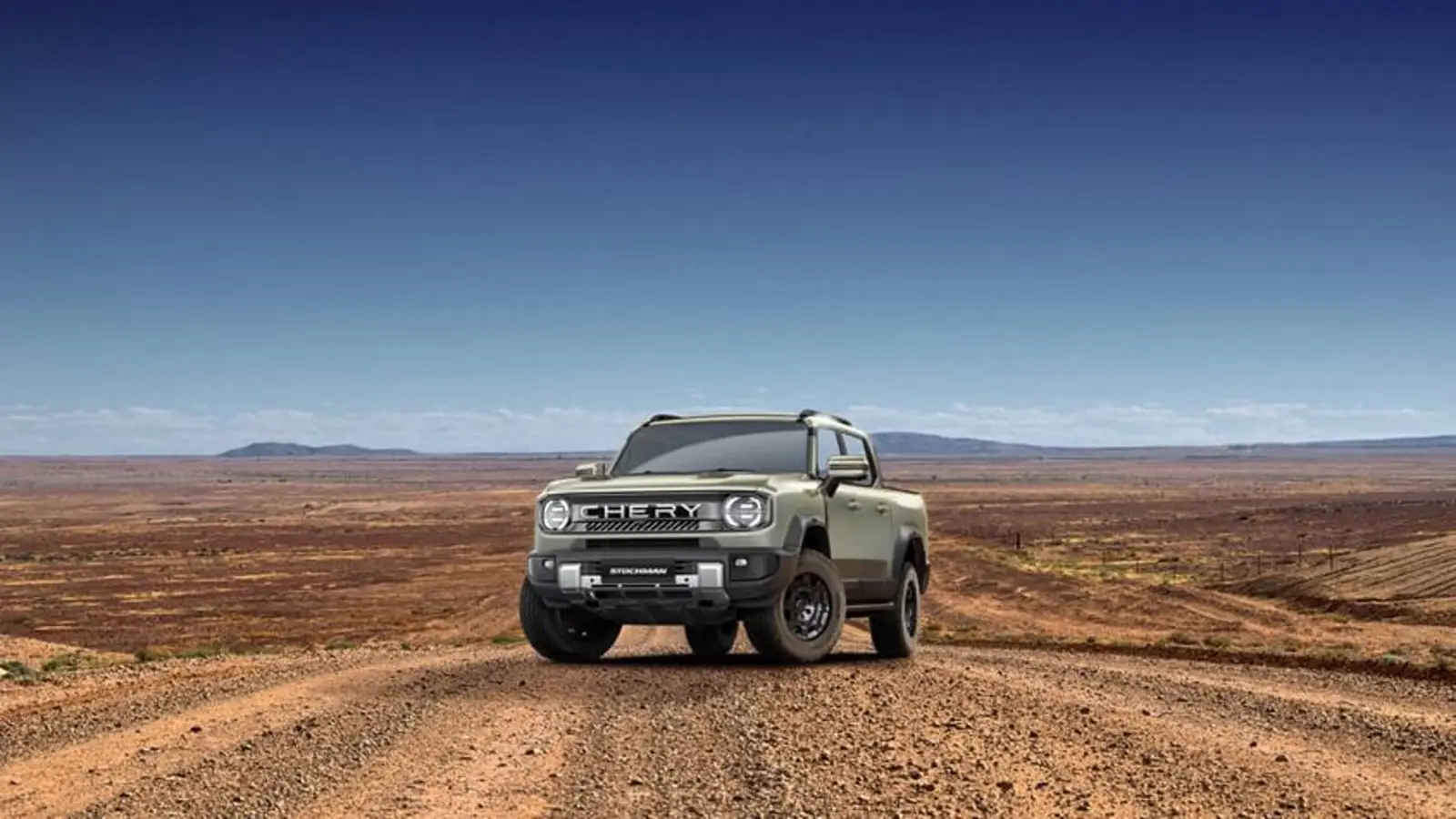
Chery's first ute is officially the Stockman. A 2.5-litre diesel PHEV with a 1,000 kg payload and 3.5-tonne towing — built for Australia and New Zealand.
Author: Nikita Novikov
Chery is no longer hiding its first pickup behind the dry KP31 codename: after an Australian public vote, the model now has a name — Stockman. For the brand it’s a significant move, because the Chinese ute is entering a market where the name must sound less like an export part number and more like a working machine built for local conditions.
The competition drew more than 20,000 entries, with the final shortlist made up of Outrider, Orca, Ironbark, Bushwalker, Stockman, Longreach, Ridgeback, Terra and Mate. Stockman won — a nod to Australia’s cattle drovers and the image of endurance over long distances. The author of the winning name will receive the first Stockman to land in Australia.
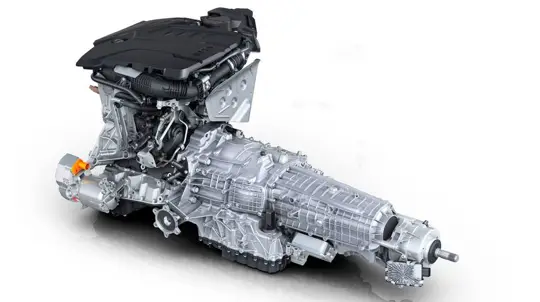
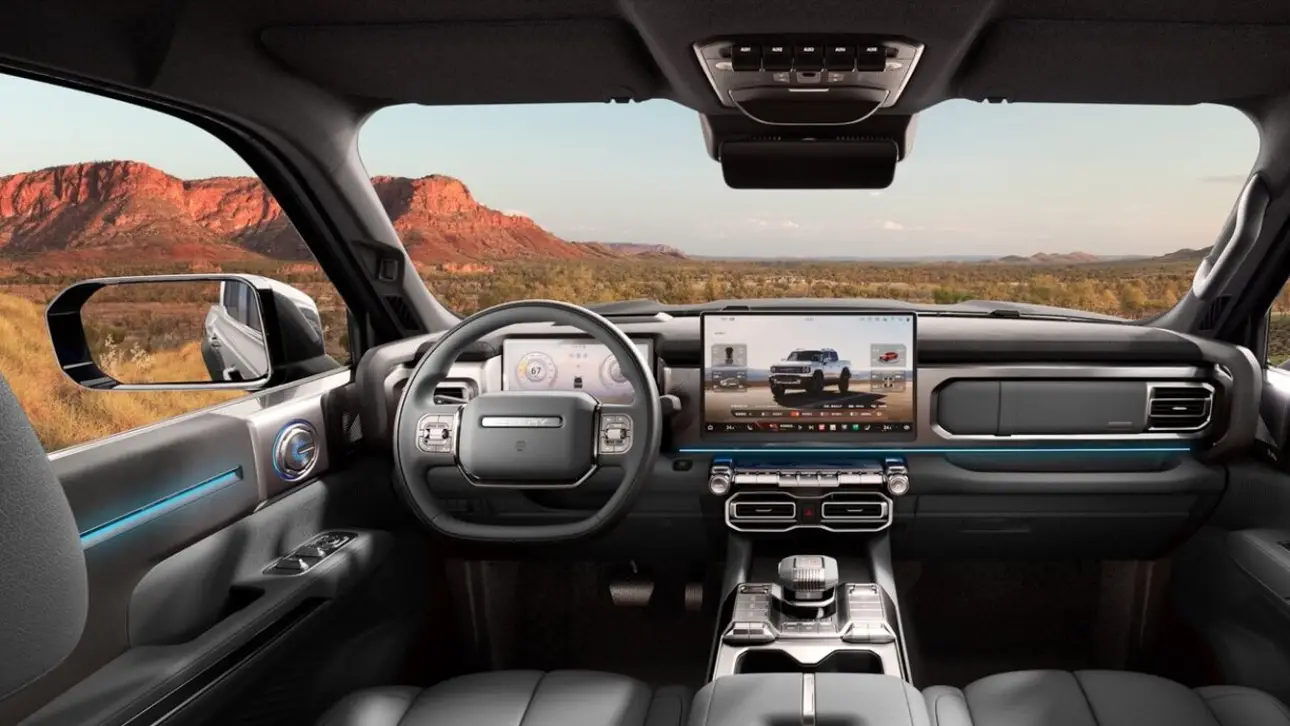
And the name sits on top of more than just another diesel Hilux rival. Chery is positioning the Stockman as the first production ute with a plug-in diesel hybrid drivetrain. At the heart of it is a 2.5-litre turbo-diesel with a claimed 47% thermal efficiency, fuel economy said to be 10% better than the average diesel powertrain, a 1,000 kg payload and braked towing up to 3.5 tonnes. For Australia and New Zealand these are the right numbers: a ute here must not only look the off-road part but actually pull a trailer, carry a load and cover serious distances.
The big question is how a diesel PHEV will be received against the competition. The BYD Shark 6 is already playing in the plug-in hybrid ute segment, but with a petrol setup. The Ford Ranger PHEV leans on a familiar badge and a strong dealer network. The Toyota Hilux still trades on reputation, resale and toughness, while the GWM Cannon Alpha PHEV undercuts on price and piles on the equipment. Chery’s edge is the concept itself: a diesel hybrid speaks the language of work-ute buyers more naturally than a petrol PHEV.
But a name alone isn’t enough. The Stockman has to prove that a complex hybrid drivetrain can survive dust, heat, towing, rough tracks and constant load. In this segment what matters is not a giant screen or a polished launch event, but warranty, service, parts supply, real-world consumption with a trailer and how the battery behaves several years in.
The Australian launch is expected by the end of 2026, with New Zealand pencilled in for Q1 2027. The production version should be close to the concept shown at Chery’s hybrid event in Sydney. That’s effectively where the brand laid out its ambition: to break into the region’s most conservative and profitable segment not with a Hilux clone but with a ute powered differently.
This English edition was prepared using AI translation under editorial oversight by SpeedMe. The original reporting is by Nikita Novikov
Latest Stories