Kia PV5 lands in Japan — and a camper-builder hands it the keys to the show
 © A. Krivonosov
The Korean PBV electric van arrives in Japan via camper specialist Toy-Factory, with Passenger and Cargo versions on display from June 27–28.
Author: Polina Kotikova
Kia PV5 will make its Japanese debut thanks to Toy-Factory — a company best known for campers built on the Toyota HiAce and Fiat Ducato. Two electric vans will be shown on 27–28 June at Minamimachida Grandberry Park, and from late July the PV5 will move into the permanent display at Kia PBV Tomei Yokohama.
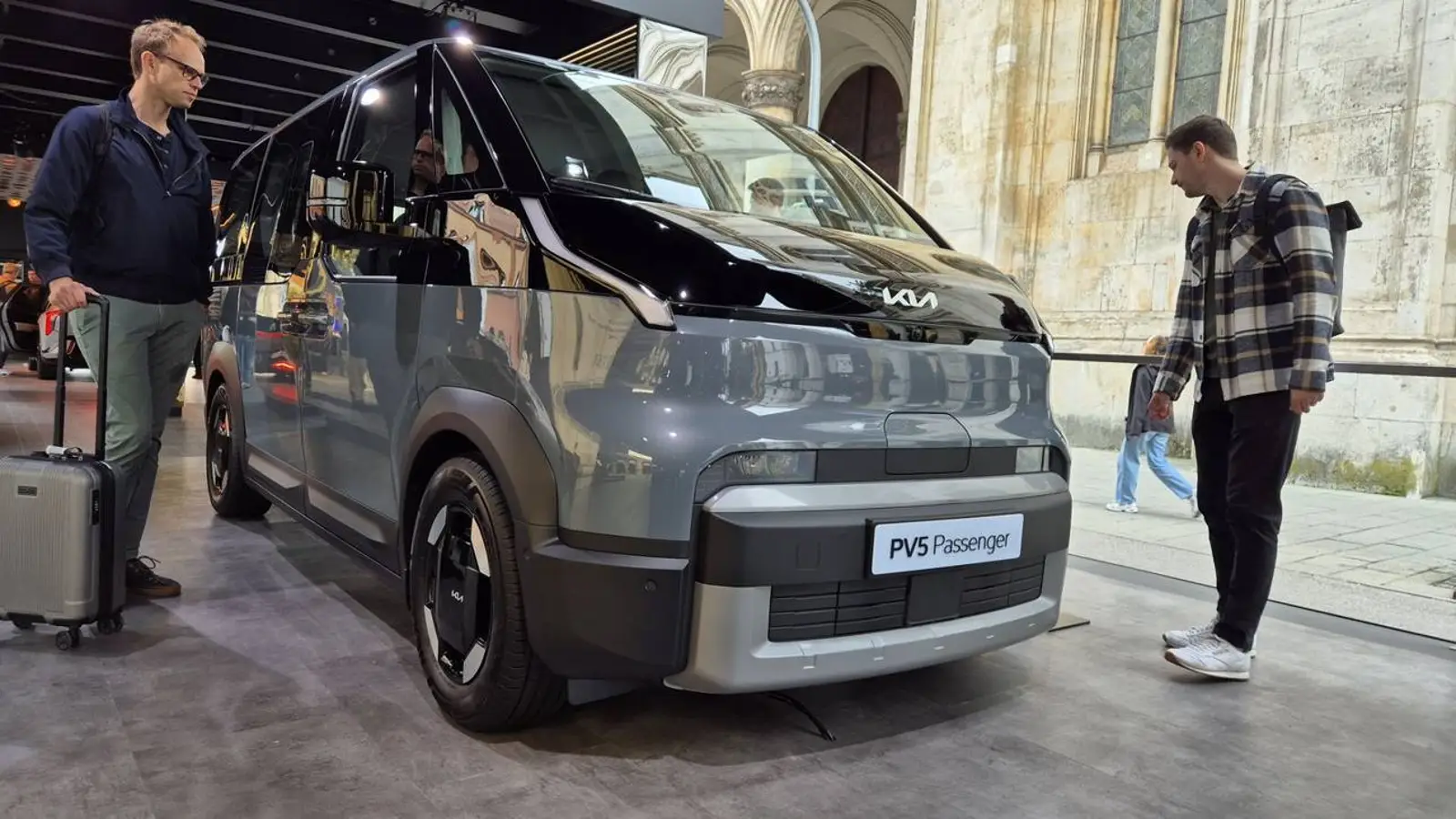
Two versions will be on hand. The PV5 Passenger is a 5-seat people-mover with a low floor and a spacious cabin: the format suits families, shuttle work, tourism and corporate transport. The PV5 Cargo is a 2-seat van with rear barn doors and a clear focus on delivery. Here a low loading height matters more than acceleration: a courier needs to load boxes quickly, not win the traffic light.
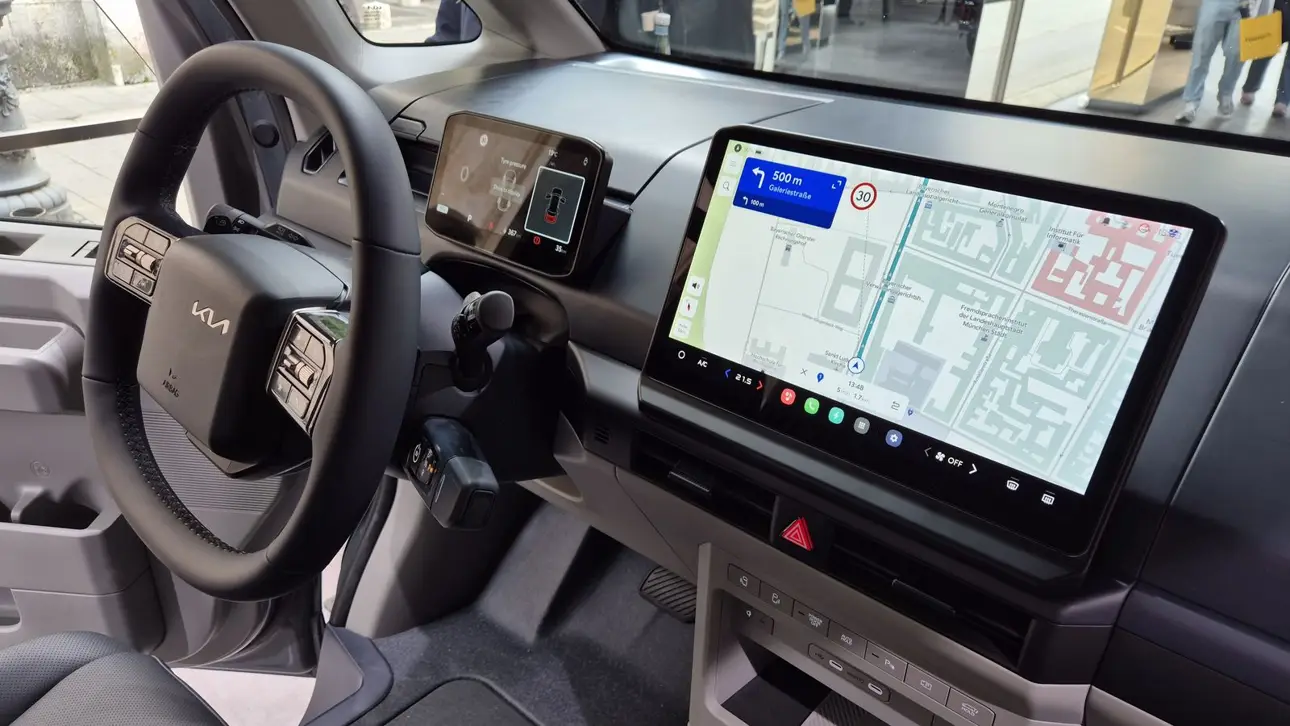
Kia positions the PV5 as a PBV — a purpose-built vehicle adaptable to different scenarios. Unlike a conventional van, where the manufacturer locks in almost everything in advance, the PV5 is built around a flat EV platform, a low floor and a modular layout. That matters beyond logistics: Toy-Factory is almost certainly eyeing the PV5 as a future base for campers, service vehicles and special builds.
The model arrives with a strong track record. The PV5 took the International Van of the Year 2026 title and picked up awards from Top Gear, What Van? and Parkers, while the Cargo version set a Guinness World Record: 693.38 km on a single charge with full payload on public roads north of Frankfurt. In the first quarter of 2026 Kia sold 8,113 PV5 units worldwide, and in the European light-commercial EV segment the model took 9%.
For the Japanese market this is not just another electric vehicle. Commercial EVs are still a niche there, and the PV5 offers a clear package: quiet operation, a low floor, an urban format and the ability to be configured for business use. Its rivals will not be passenger EVs but familiar vans like the Toyota HiAce, Nissan Caravan and kei vans, where buyers focus first on capacity, reliability and cost of ownership.
The Kia PV5 looks like a vehicle without flashy heroics, but cars like this can change urban transport faster than the spectacular ones: not through emotion, but through a convenient door, a flat floor and lower costs per route.
This English edition was prepared using AI translation under editorial oversight by SpeedMe. The original reporting is by Polina Kotikova
Latest Stories