Defender with a Jeep accent? How tariffs are pushing JLR into Stellantis' arms
 © A. Krivonosov
JLR is weighing a non-binding deal with Stellantis to build a US-market Defender locally and escape 15% import tariffs that hit its most profitable model.
Author: Nikita Novikov
JLR may take an unusual step: bringing Stellantis on board to build the Defender for the US. For the brand, this is not a PR move but a way to shield one of its most profitable products from tariffs and costly logistics.
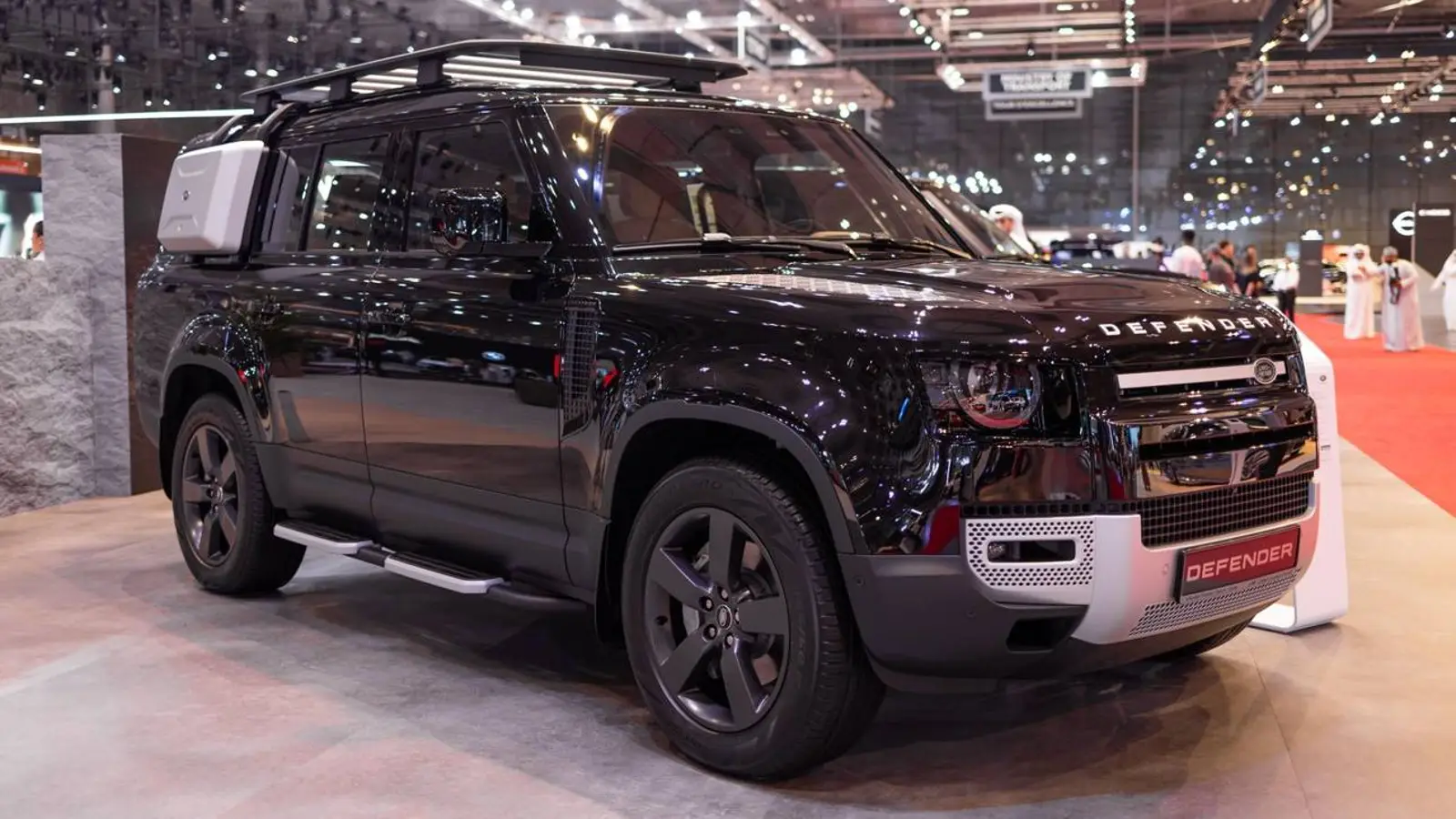
Today the Defender is one of JLR's key models. The car is assembled in Slovakia, and North America has already become the company's largest market. But the 15% import tariff hits the sticker price directly. The new JLR boss told investors the region still holds significant growth potential — and against that backdrop, the idea of a locally built Defender looks more logical than it might seem at first glance.
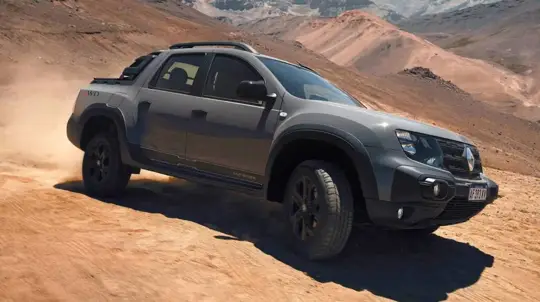
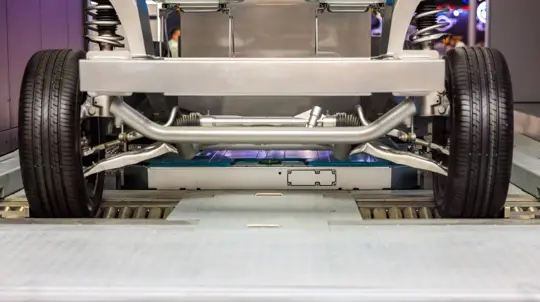
In May 2026 JLR and Stellantis signed a non-binding memorandum of understanding on possible cooperation. Official details are scarce, but the document mentions expanding the Defender brand, particularly in the US and North America. The boldest scenario is a separate American version of the Defender built on a Stellantis platform. If there really is Jeep hardware underneath, Land Rover fans will set the comment sections on fire.
For the buyer, the logic is simple: local assembly could hold the price down and speed up deliveries. For JLR, it is a chance to reduce its dependence on Europe. For Stellantis, it means filling North American capacity and cashing in on a name that sells higher and more prestigiously in the US than most Jeeps.
The risk, in SPEEDME's view, is just as obvious. People buy the Defender not simply as an SUV but as a Land Rover — with British legend and a character of its own. If the American version ends up too close to a Jeep, the savings could backfire: the car would be cheaper to produce but would lose part of its magic.
For now this is not a confirmed production programme but a working option. Still, the very fact of these talks shows how quickly tariffs and localisation can rewrite the fate of even an icon like the Defender.
This English edition was prepared using AI translation under editorial oversight by SpeedMe. The original reporting is by Nikita Novikov
Latest Stories