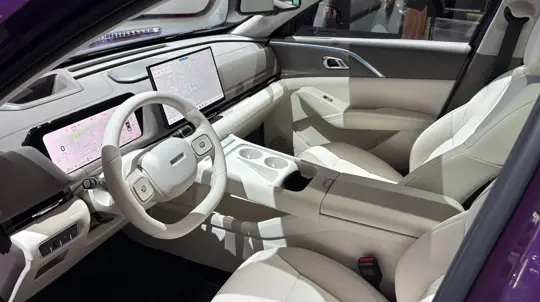
Ford trusted AI — and brought the engineers back when quality didn't fix itself
 © A. Krivonosov
Ford's bet on AI-driven quality control backfired. Now 350 senior engineers are back to retrain the algorithms and prevent recalls before they ship.
Author: Nikita Novikov
Ford is bringing back around 350 experienced engineers to get on top of vehicle quality before problems turn into mass recalls. The company had already leaned on artificial intelligence and automation, but realised algorithms alone weren’t enough.
The team, led by chief operating officer Kumar Galhotra, will mentor younger staff, take part in design reviews and retune automated inspection systems. The idea isn’t to ditch AI, but to teach it to spot defects earlier — at the design and manufacturing stage, not after owners start complaining.
Charles Poon, Ford’s vice president of vehicle hardware engineering, put it bluntly: “Artificial intelligence is a fantastic tool, but it’s only as good as the information you use to train it.” According to him, the company mistakenly assumed that simply feeding design requirements into the system would yield a high-quality product.
Ford has paid dearly for that approach. The brand has become the most recalled in the US: in a single year it issued more than 150 service campaigns and recalled nearly 13 million vehicles. In 2026 alone it has already racked up 51 recalls. Many of the issues trace back to platforms and models developed between 2013 and 2020, and some defects can be addressed remotely through software updates.
The paradox is that alongside the recalls Ford received a strong signal on its newer models: the brand was named the top mainstream marque in the J.D. Power U.S. Initial Quality Study, climbing from 15th place in 2023 to first — its first top spot in 16 years. The new processes are clearly working, but the tail of older engineering decisions still drags the numbers down.
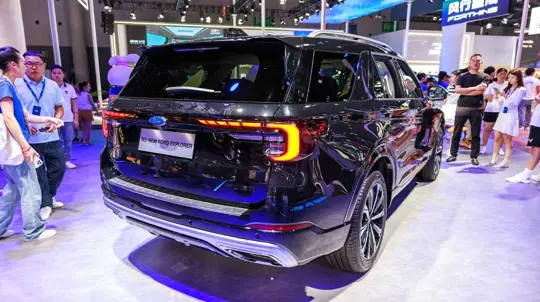
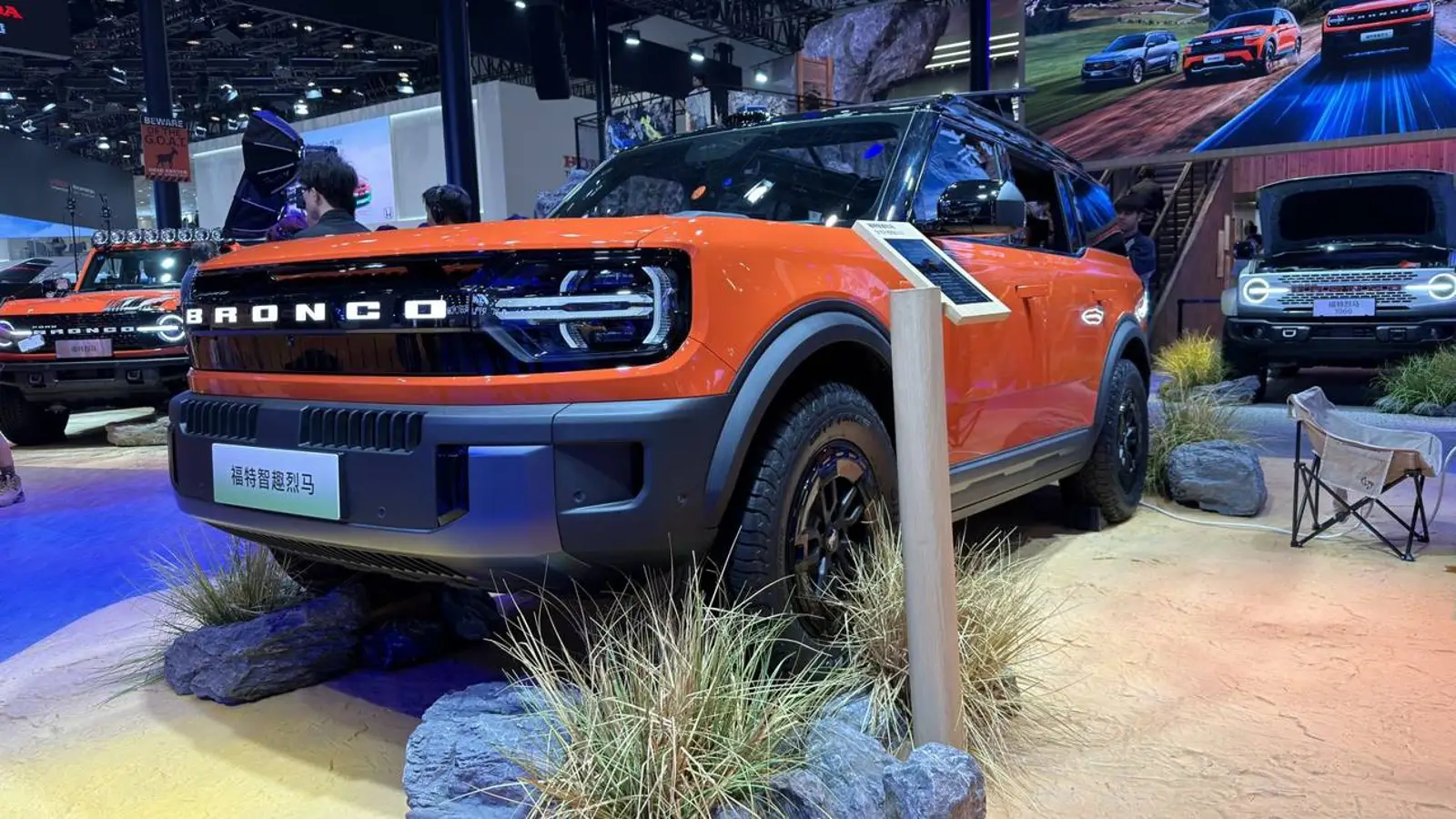
For buyers this matters more than glossy promises about digital manufacturing. A recall may be free, but it costs time, erodes trust and hits resale value. That’s especially true for popular models like the F-150, Explorer, Bronco, Escape or Mustang Mach-E, where a single glitch quickly snowballs into a major campaign.
The Ford story illustrates something simple: AI can spot patterns, but it doesn’t replace an engineer who knows from experience where a structure will start to fail after three winters on rough roads and bad fuel.
This English edition was prepared using AI translation under editorial oversight by SpeedMe. The original reporting is by Nikita Novikov
Latest Stories