Dreame Nebula Jet concept aims for 0-100 km/h in 0.9 seconds
 © Dreame
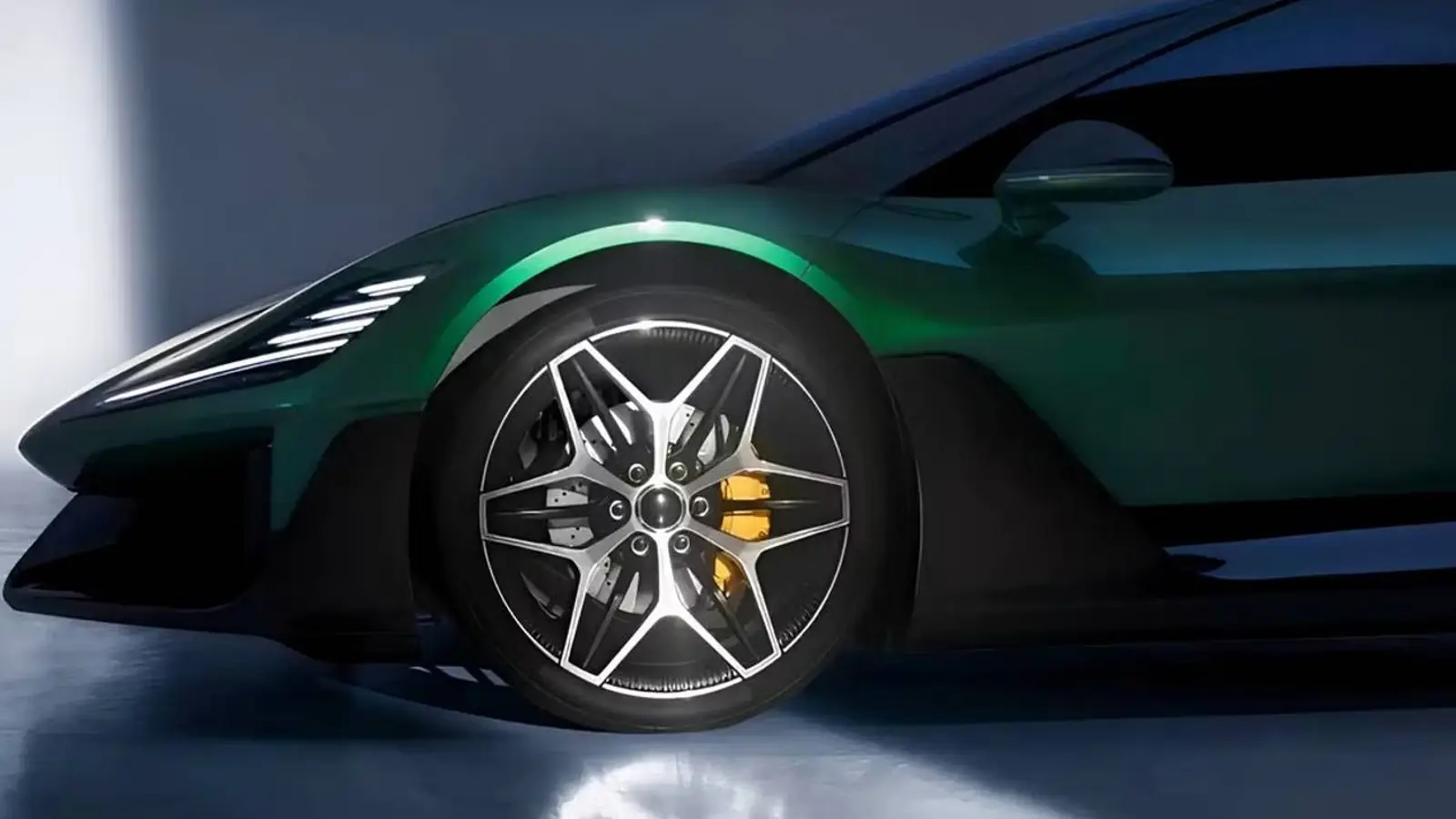
Dreame has entered the car market with the Nebula NEXT 01 Jet Edition, an electric concept using solid-fuel boosters and an extraordinary acceleration claim.
Author: Polina Kotikova
Chinese company Dreame, best known for household appliances, has entered the automotive market with an unusually ambitious project. The concept Nebula NEXT 01 Jet Edition is said to accelerate to 100 km/h in just 0.9 seconds — a figure that, if confirmed, would become an absolute record among cars. Journalists from Tarantas News reported this on April 27.
The key feature of the new concept is its use of rocket boosters. According to the developer, the car is fitted with two solid-fuel boosters producing a combined thrust of about 100 kN and activating in just 150 milliseconds. This layout is intended to bypass one of the main limits of modern electric cars: insufficient tire grip during a hard launch.
The project is based on the previously shown Nebula 1, rated at 1,876 hp. The concept is not only equipped with an extreme powertrain, but also with modern technologies, including LiDAR and autonomous driving systems. That makes it both technically advanced and controversial.
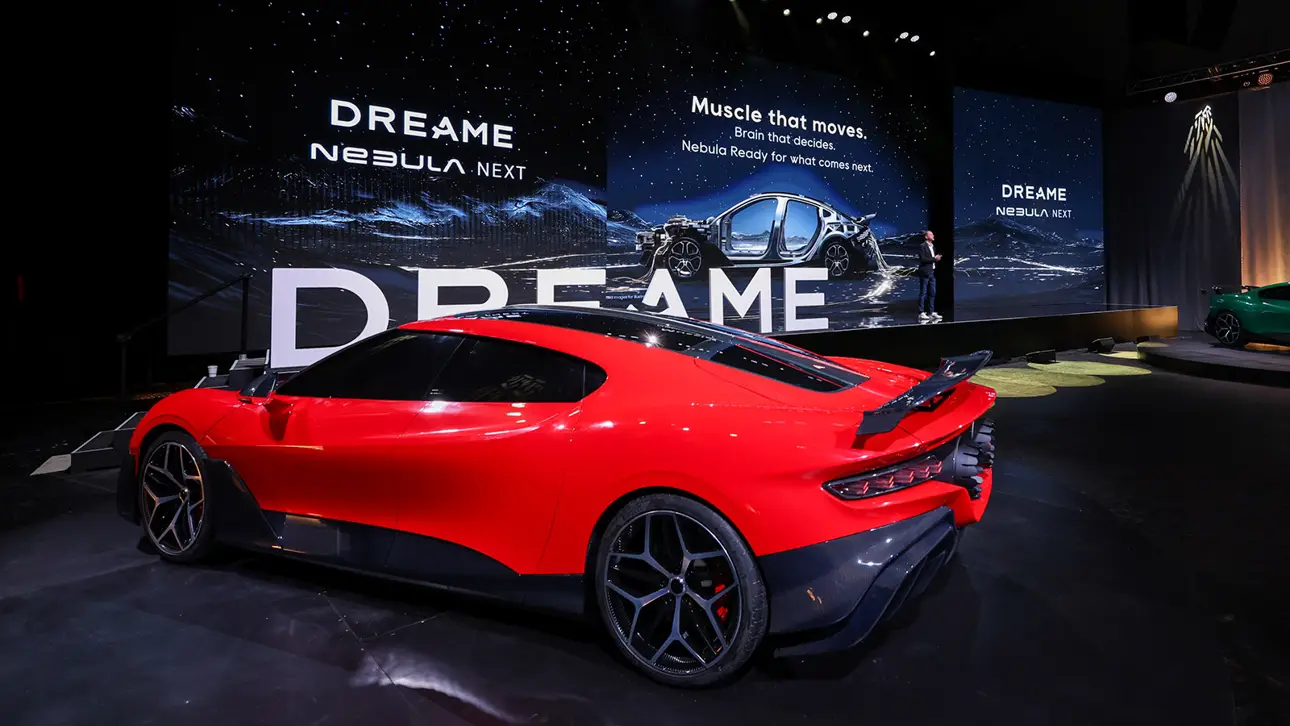
Experts cited by the publication have already pointed to several issues. Solid-fuel boosters cannot be shut down once activated, and reusing them requires complete replacement. The use of rocket fuel also raises questions about the environmental logic of such a solution, which sits uneasily with the basic idea of electric vehicles.
Even so, Dreame says it plans to bring the project to series production by 2027 and is even considering a factory in Europe. In practice, the Nebula Jet looks more like a display of engineering capability and a marketing instrument. Still, the arrival of concepts like this shows that competition in the EV segment is moving beyond conventional solutions and becoming a technology race in which spectacle matters alongside performance.
This English edition was prepared using AI translation under editorial oversight by SpeedMe. The original reporting is by Polina Kotikova
Latest Stories