An AI off-roader breaks cover: Geely's Galaxy Battleship 700 finally shows its face
 © соцсети SugarDesign
Geely's production Galaxy Battleship 700 has been seen uncamouflaged — a rugged image-led SUV with tri-motor AWD, a ladder-style frame and the new EEA 4.0 architecture.
Author: Daria Kashirina
Geely is gradually bringing one of its most unusual new projects into the light. The production version of the Galaxy Battleship 700 has been spotted without camouflage for the first time, and now it’s clear: the brand really is preparing not just another crossover, but a large, image-led SUV built around technology, off-road ability and bold design.
The Battleship 700 is being called Geely’s first AI off-roader. For the brand it’s a serious statement: the model is meant to combine the tough character of a “hardcore” SUV with a modern electrified powertrain. Judging by the leak, the bet is placed not only on the looks but on the image — the car is supposed to look expensive, powerful and noticeably different from ordinary city models.
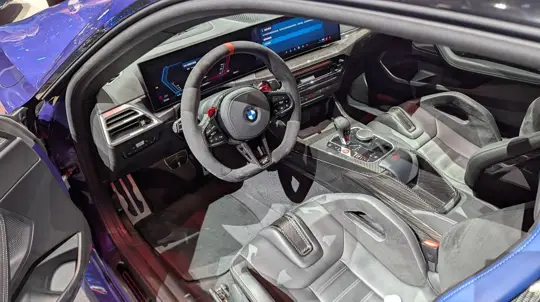
The styling follows Geely’s signature “ripple aesthetics” philosophy. Geely is trying to translate that language onto the off-road segment, giving the car more visual mass and a sense of premium presence. Interior details have surfaced earlier too: inside, the brand promises a blend of practical off-road solutions with a cosier, more “homely” Chinese take on comfort. The gear selector has been retained, and it has reportedly already gone down well with users.
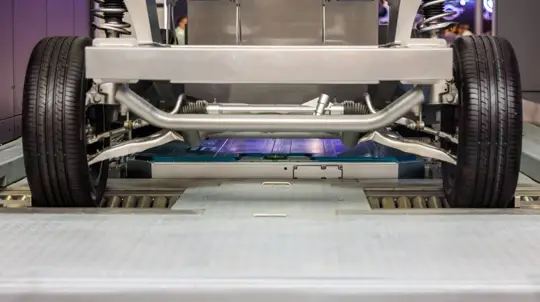
Technically the project looks even more intriguing. The Battleship 700 is built on Geely’s shared AI platform, will get an integrated ladder-frame construction, tri-motor all-wheel drive and the new-generation EEA 4.0 electronic-electrical architecture. In other words, this isn’t merely about high ground clearance and a brutal body, but about a model being prepared for genuine all-terrain duty from the outset.
If Geely doesn’t lose any of this on the way to the official premiere, the Galaxy Battleship 700 could become one of the brand’s loudest new arrivals — especially for those for whom a merely “smart” crossover is no longer enough.
Earlier it was reported that the new Geely Galaxy Cruiser 700 had made its debut.
This English edition was prepared using AI translation under editorial oversight by SpeedMe. The original reporting is by Daria Kashirina
Latest Stories