Famous badges, fragile engines: seven modern motors that keep breaking down
 © A. Krivonosov
GM 1.2 turbo, Nissan VC-Turbo, Toyota V35A, VW EA888, Honda 1.5, Hyundai/Kia and Jeep 2.0 — what's wrong with seven of the most problematic engines of 2026.
Author: Polina Kotikova
Buying a car from a well-known brand no longer answers the reliability question on its own. Autoblog has put together seven engines from major automakers that have piled up recalls, lawsuits and owner complaints by 2026.
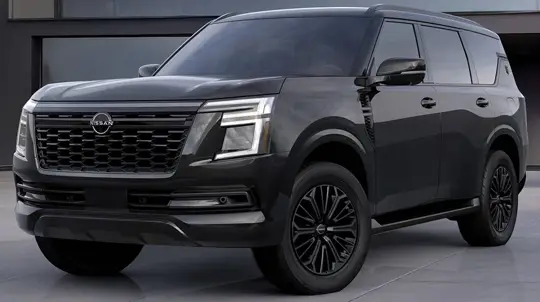
On the list is GM's 1.2-litre turbo three, fitted to the Chevrolet Trax, Trailblazer, Buick Envista and Encore. Owners report serious failures involving damaged bearings and connecting rods, and waiting times for a replacement engine can stretch into months. At Nissan, the 1.5-litre VC-Turbo in the Rogue is under fire: after the first campaign in summer 2025 covering around 480,000 cars in the US and Canada, the recall was expanded in February 2026 by roughly another 320,000 vehicles. The cause — overheating oil, broken-down lubrication and the risk of bearing seizure.
At Volkswagen, the EA888 2.0 Turbo is back in the headlines. After a turbocharger lawsuit settlement covering 2008–2024 cars, complaints about piston rings and oil consumption remain, and the engine is still used in the 2026 Tiguan. Toyota landed on the same uncomfortable list: the 3.4-litre twin-turbo V6 in the Tundra, Sequoia, Lexus GX and LX replaced the old V8 but is plagued by the risk of connecting-rod bearing failure caused by machining debris left in the block.
Honda's 1.5 Turbo is criticised for head-gasket problems: coolant can find its way into the cylinders at less than 96,000 km. Repairs run around $5,000. Hyundai and Kia's old Theta/Nu troubles resurface on the Kia Seltos — again it is about bearings and sudden seizure. Jeep's 2.0 Turbo earns a mention after the recall of roughly 100,000 Wrangler and Grand Cherokee units over manufacturing defects, cracked liners, blown gaskets and turbo failures.
On the secondary and parallel-import markets the story bites even harder: cars rarely arrive with a factory warranty, so a famous logo on the grille is no longer the main thing. It matters more to check the specific engine, the recall campaigns, the service history and the cost of repairs before the deal, not after a warning light shows up on the dashboard.
A modern engine may be more efficient than an older one, but its margin of safety is now hidden not in brand marketing but in the small print of its service record.
This English edition was prepared using AI translation under editorial oversight by SpeedMe. The original reporting is by Polina Kotikova
Latest Stories