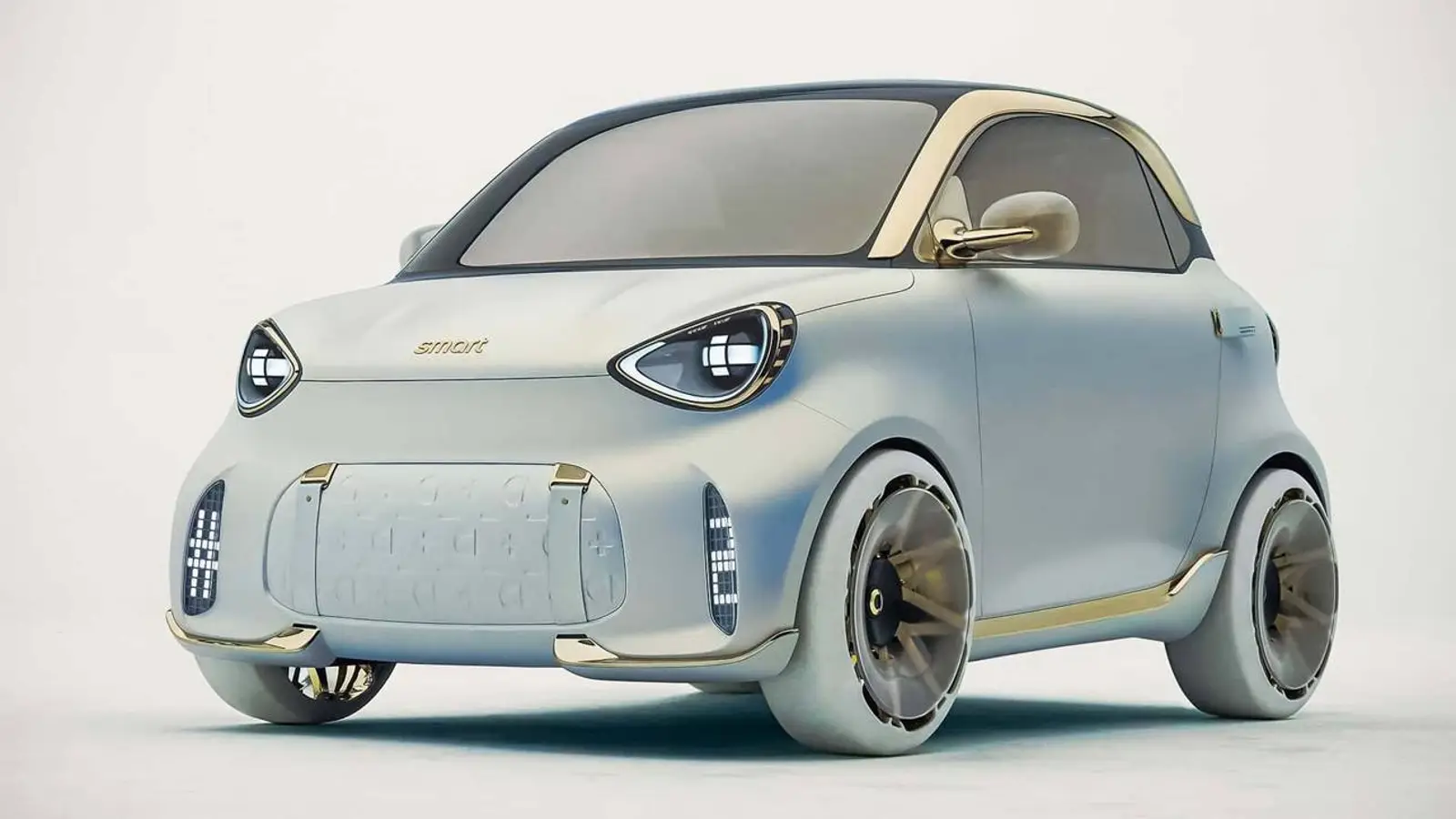
Smart goes back to its roots: the #2 brings back the tiny two-seater
 © smart.cn
The new Smart #2 ditches the SUV path and returns to the ForTwo idea — two seats, a tiny footprint, a folding bench and a dedicated EV platform.
Author: Nikita Novikov
Smart #2 has shown its interior, and this is one of those rare cases where a small car is interesting not because of screen size. The new EV brings the brand back to the ForTwo idea: two seats, a short body, a minimal turning circle and the maximum benefit squeezed out of a tight cabin.
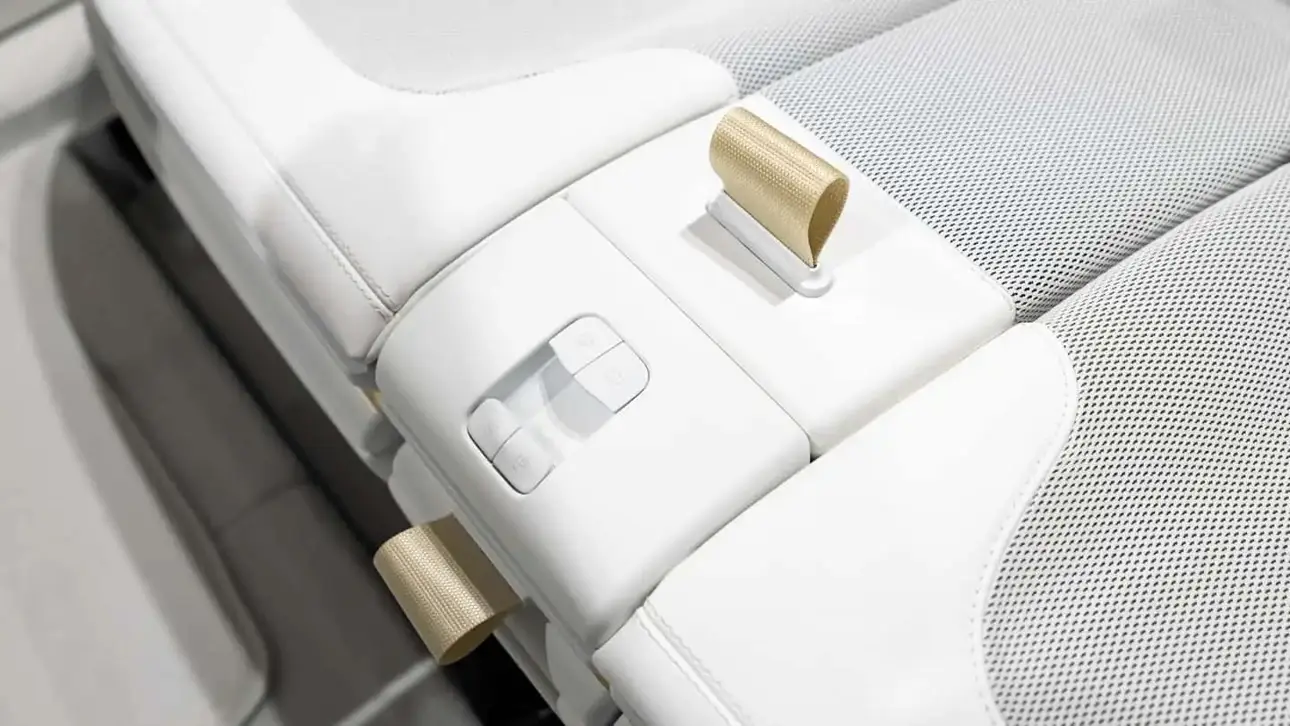
The main detail is the bench seat. Smart #2 has not actually become a three-seater: between the two chairs sits a folding central section that visually turns the front row into a continuous bench. It carries the window switches and door lock buttons, and the element lifts and lowers via a strap. The solution is not for a third passenger but for convenience: in a tight parking spot you can step out through the opposite door more easily.
The front panel takes a smooth S-shape with round vents in the Mercedes style. Smart did not turn the cabin into a wall of screens, but there will not be many physical buttons either. Formally this is still a concept, but the production car is unlikely to differ much: the full debut is planned for the October motor show in Paris.
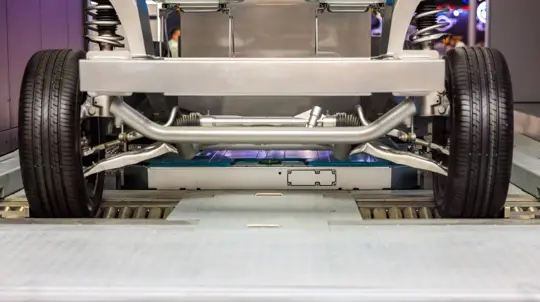
The hardware also brings Smart back to its urban purpose. The new #2 is built on a dedicated electric platform rather than a reworked ICE base, as before. The battery is 35.7 kWh, range is up to 300 km WLTP, charging from 10 to 80% takes less than 20 minutes. The turning circle is 6.95 m, the same as the old EQ ForTwo. For the city this matters more than an extra 100 km of range: the car has to turn where an ordinary hatchback already needs a three-point turn.
There is one unexpectedly expensive detail — multi-link rear suspension. In the microcar class simpler setups are usually fitted, so Smart clearly wants to escape the cheap-capsule feel. Pricing, however, may be a problem: roughly €20,000 is expected. For that money a European buyer is already looking at larger electric cars such as the new Renault Twingo or Dacia Spring.
Smart #2 will be built in China, like the brand’s other modern models. There is some symbolism in that: the brand was born as a European urban idea, then drifted into bigger crossovers, and is now trying to come back to itself — only on a Chinese production base.
Smart #2 does not have to be the most practical EV for the money. Its job is different: to prove once again that a small city car can be its own logic rather than a compromise.
This English edition was prepared using AI translation under editorial oversight by SpeedMe. The original reporting is by Nikita Novikov
Latest Stories