Forget back rubs: GM's new seat goes after your tired legs
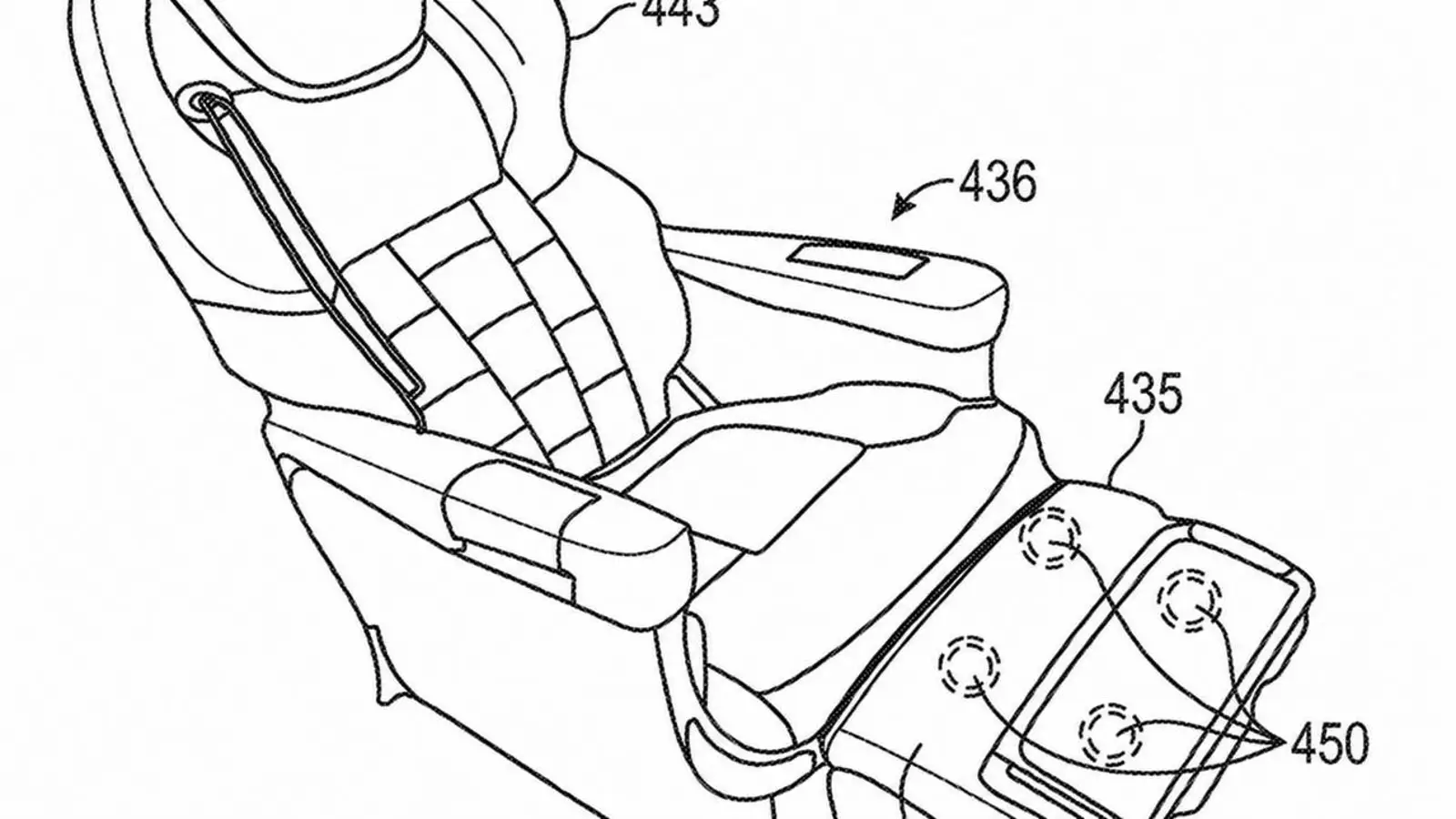 © uspto.gov
General Motors filed a patent for a seat that massages thighs and calves through a special leg support. The system targets Cadillac and high-end EVs.
Author: Nikita Novikov
General Motors has figured out how to make massage seats noticeably more expensive — and possibly more useful. A new patent describes a system that massages not just the back or lower spine, but the legs: thighs and calves, via a dedicated support placed in front of the seat cushion.
The design can be built-in, extendable, swivelling or even removable. Inside — several massage options: inflatable chambers for compression, vibration motors, rollers and heating elements. Control runs through the car’s interface, with settings to adjust intensity, speed, direction and mode. In other words, this isn’t a simple vibrating cushion but a full part of the seat, tied into the vehicle’s electronics.
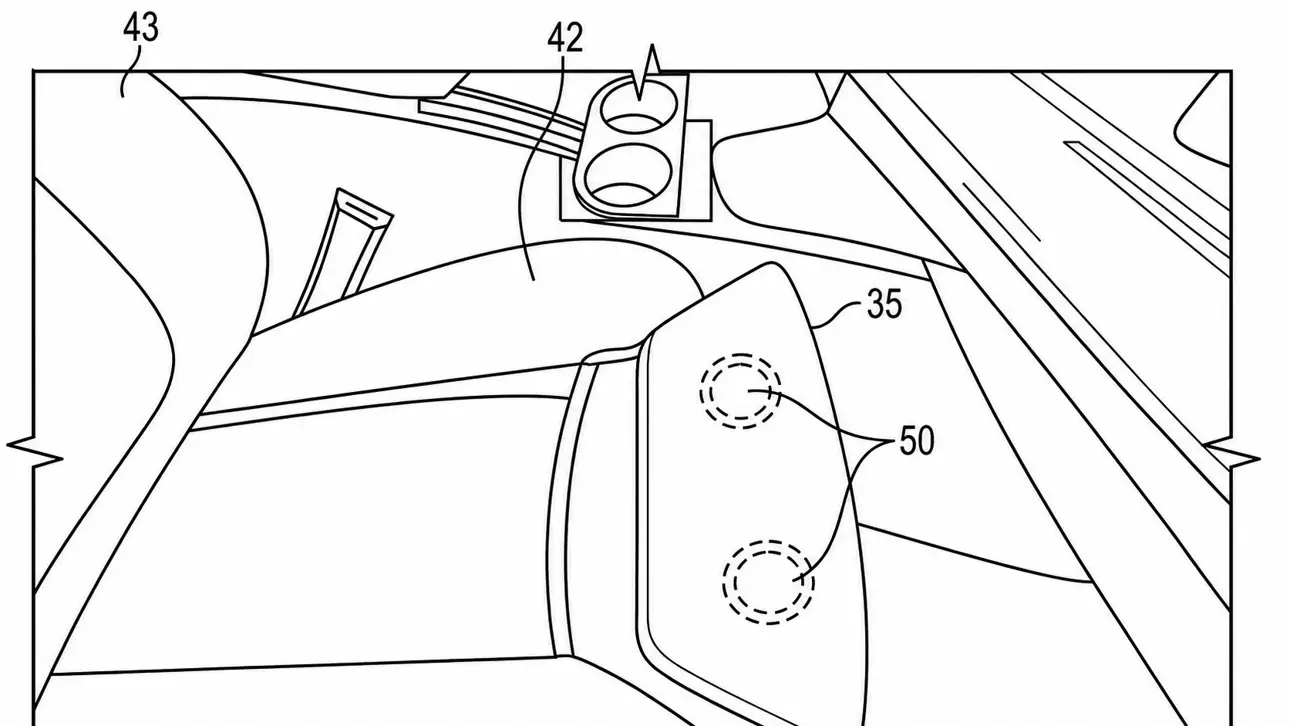
For GM the idea makes particular sense in Cadillac, GMC Denali and pricey electric models. Back massage is no longer rare: Mercedes-Benz, BMW, Lexus, Genesis, Lincoln and GM’s own premium models already offer it. So brands have to look for a new zone where buyers feel the difference immediately. A leg massage is an obvious move for the Escalade, Celestiq or large SUVs, where second-row passengers often matter more than the driver.
There’s practical value too. On long trips legs get tired no less than the back — especially with a short seat cushion or hours behind the wheel. The weak spot: such a system adds weight, cost, wiring and potential failure points. On a mass-market Chevrolet it would be almost certainly excessive luxury, but on a Cadillac priced at $90,000–120,000 the option already looks like a reasonable weapon in the fight against German premium rivals.
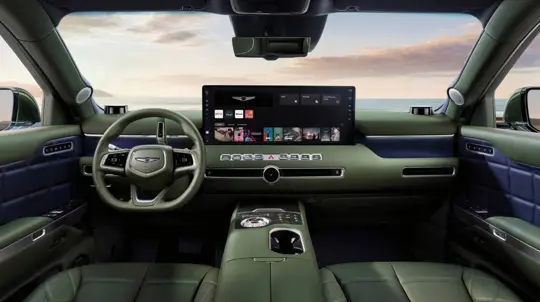
For now it’s only a patent, but the direction is easy to read: carmakers are no longer competing on the number of screens, but on how much the cabin resembles a lounge.
This English edition was prepared using AI translation under editorial oversight by SpeedMe. The original reporting is by Nikita Novikov
Latest Stories