A truck you actually own: Slate bets on DIY repair and an open service network
 © Slate Auto
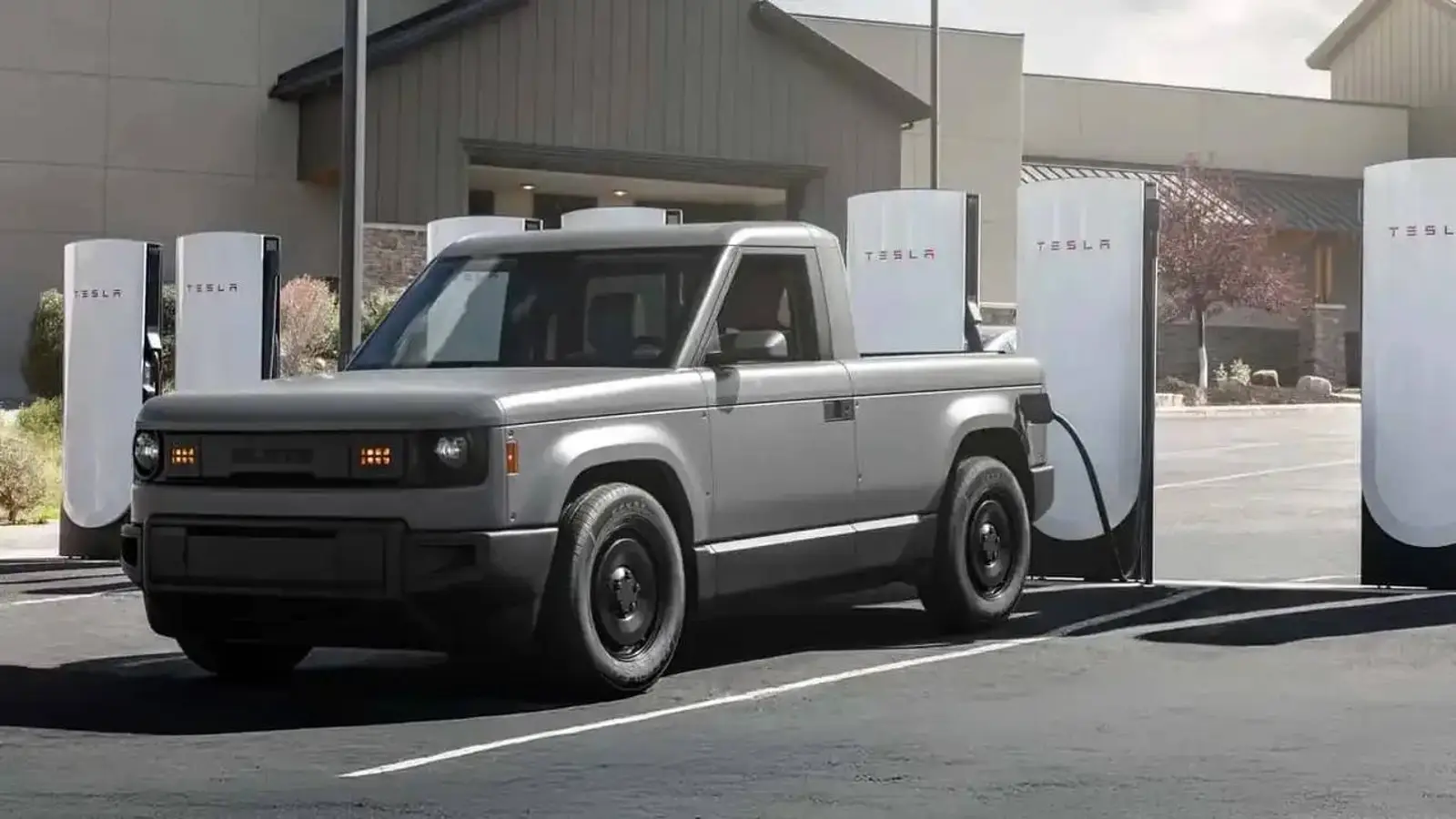
The affordable American electric pickup is being built around DIY repair, a RepairPal service network, and Tesla Supercharger access via NACS.
Author: Nikita Novikov
Slate Truck is once again going against the usual logic of modern electric vehicles. Instead of a closed ecosystem, expensive service centers and «dealer-only» repairs, the startup is pushing the idea of a vehicle owners can maintain and modify themselves.
The point isn’t just accessories. Slate is preparing technical materials meant to help both mechanics and regular owners. Tweddle Group, which is handling the service content, openly describes Truck as a vehicle designed for user modifications and repairs. At the same time, Slate isn’t leaving buyers without a network: more than 3,000 RepairPal shops are promised across the U.S., and charging will go through an NACS connector with access to Tesla Supercharger.
For an affordable EV, this is a strong move. Modern electric cars are often cheap to power but expensive and inconvenient to repair: body panels, software, the battery, calibrations, access to documentation. Slate is trying to play on a different field — a simple body, minimal extra electronics, removable panels, accessories and repairs without the feeling that the car belongs to the manufacturer’s app rather than its owner.
Competitors are selling a different approach. The Ford Maverick is cheaper than many pickups, but it isn’t an EV. The Tesla Cybertruck is more advanced and more powerful, but its repairability and body-shop costs raise questions. The Rivian R1T is richer, faster and more prestigious, but it sits in a completely different league. Slate wants to claim the niche of a working electric pickup, where price, warranty, accessible repair and the ability to fit the equipment you need yourself matter more.
The risk is obvious: DIY repair works well for simple components, accessories and clear-cut jobs. The high-voltage battery, safety systems, brakes and power electronics demand expertise. If Slate shifts too much responsibility onto the owner, the savings could turn into mistakes, warranty disputes and lost trust.
Still, the idea itself feels fresh. In a market where cars are becoming ever more closed off, Slate is trying to give the buyer back the right not just to drive, but to understand what’s sitting in the garage.
This English edition was prepared using AI translation under editorial oversight by SpeedMe. The original reporting is by Nikita Novikov
Latest Stories