A Carry-On With 1,555 Wild Ponies: China’s Boldest Power Claim Yet
 © Kosmera
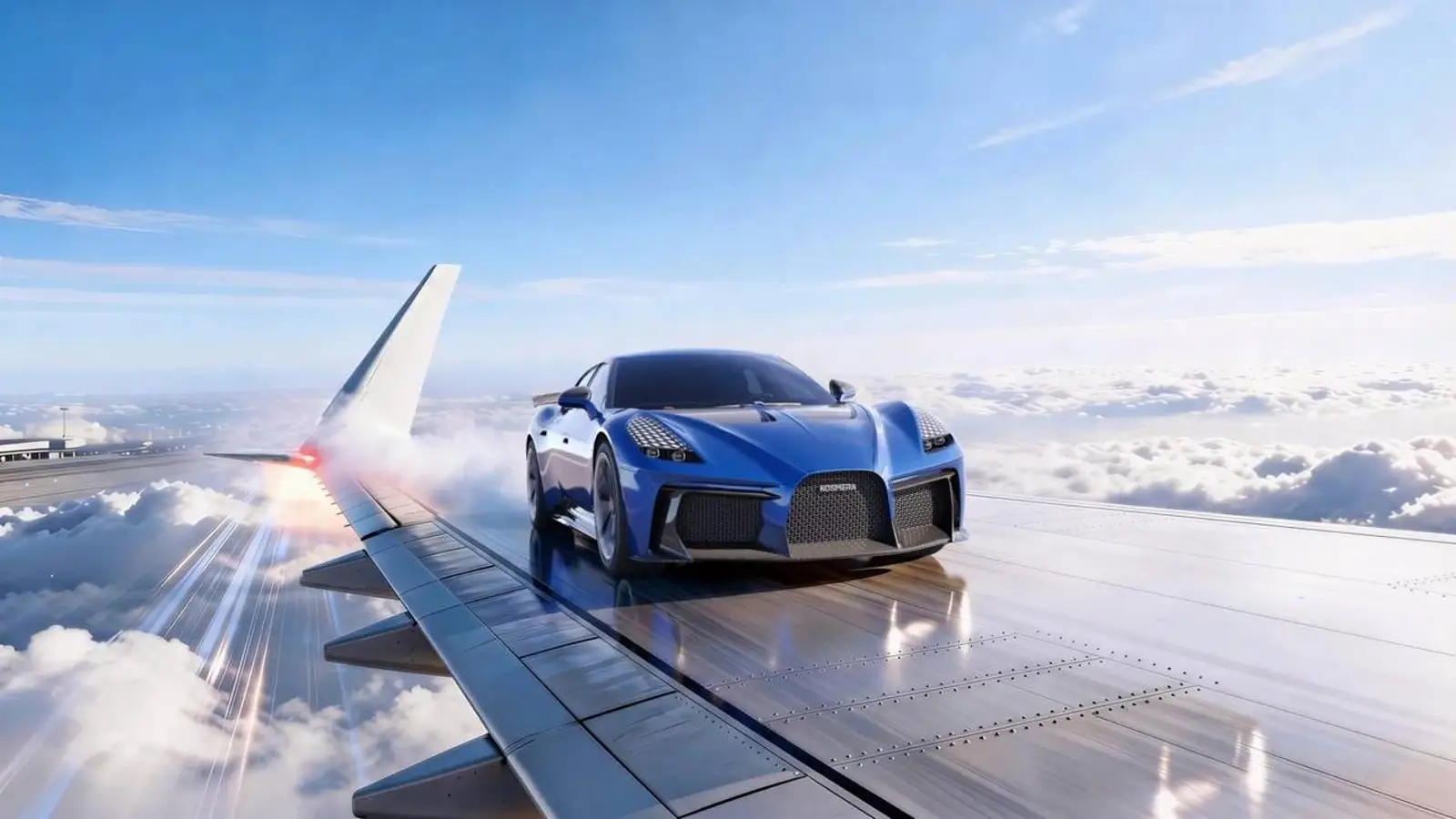
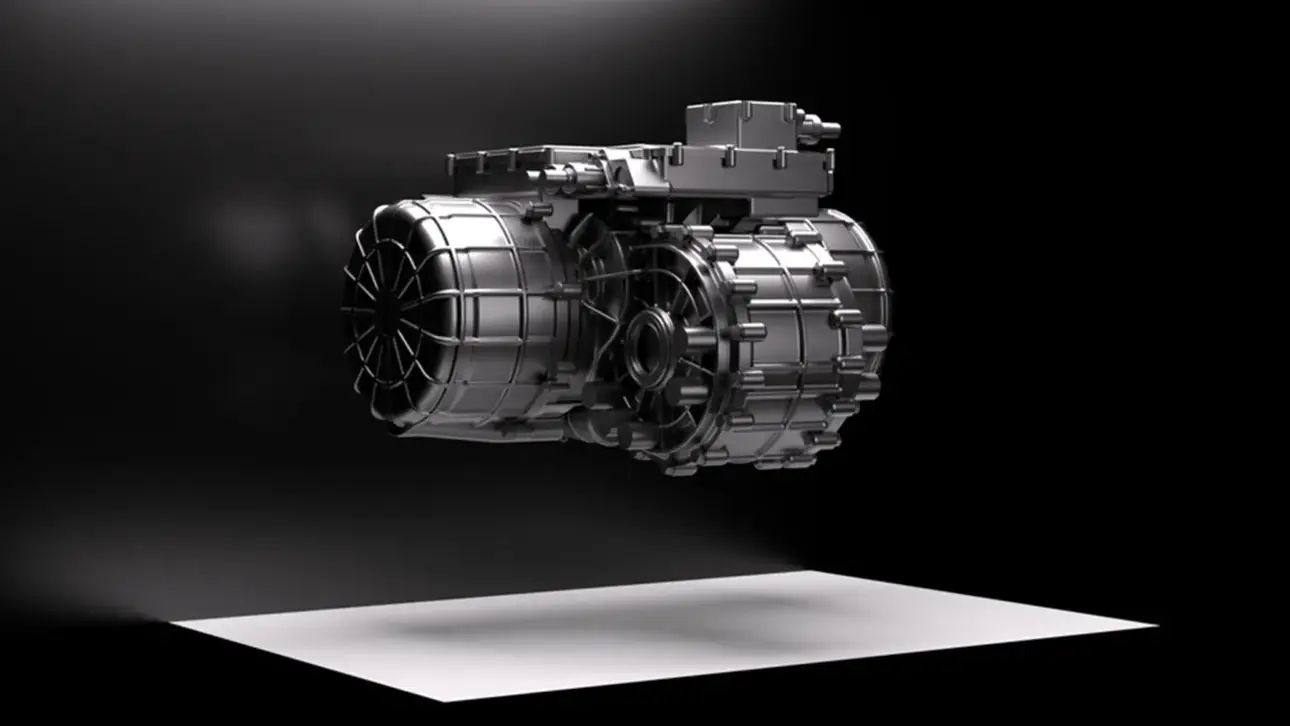
China’s Kosmera, a Dreame-backed brand, says its axial-flux module is the size of a 20-inch carry-on yet delivers 1,555 hp. Stack two and the sedans reach 3,111 hp.
Author: Polina Kotikova
China’s Kosmera, one of Dreame’s newer automotive ventures, is muscling its way into the EV segment with extreme numbers. The company has announced a drive unit roughly the size of a 20-inch suitcase that supposedly delivers 1,555 hp.
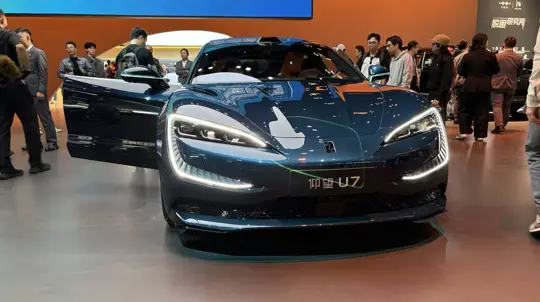
The concept is built around a module with two axial-flux electric motors: one block sits on the front axle, another on the rear. Together that adds up to four electric motors and a claimed 3,111 hp, or 2,320 kW. If Kosmera actually pushes this layout to production, its sedans will outgun the Yangwang U9 Xtreme, for which BYD has claimed 2,978 hp.
Inside the module sit axial-flux motors, a carbon-fiber-reinforced rotor and a silicon-carbide inverter. The system runs on a 1,200-volt architecture, with a target power density of 60.5 kW per kilogram. The motors themselves were developed by Kosmera’s in-house division, Axion Power, which is also responsible for thermal management, bearings, magnetic flux control and complex torque vectoring.
For now, these numbers deserve a pinch of salt. Carscoops puts it bluntly: this is what the company claims, not what an independent test of a finished car has shown. The Chinese market is already used to a spec-sheet arms race, but between a polished presentation and steady performance under load lie cooling, battery durability, brakes, tires and a car’s ability to repeat that launch more than once.
The first cars to carry the technology are the Star Matrix and the Star Razer. Both look like large four-door electric sedans with unmistakable hypercar cues. The Star Matrix visually echoes Bugatti, with a wide horseshoe grille, massive air intakes and a carbon front splitter. The Star Razer goes even further: its front doors open upward, the rears swing the opposite way, and there is no B-pillar in between.
For Dreame this is a sharp pivot: the company is best known for household appliances, yet it is now trying to enter the car business through the image of a technology challenger. The strategy is risky but loud. When a brand with no heritage immediately promises 3,111 hp, people start talking about it long before it proves any quality.
Kosmera isn’t selling a car yet, it is selling a promise. But in China, sometimes that is exactly how a new race starts, the kind where yesterday’s appliance maker suddenly wants to argue with hypercars.
This English edition was prepared using AI translation under editorial oversight by SpeedMe. The original reporting is by Polina Kotikova
Latest Stories