Boreal crosses the Atlantic: Renault's C-SUV finds a second home in Bursa
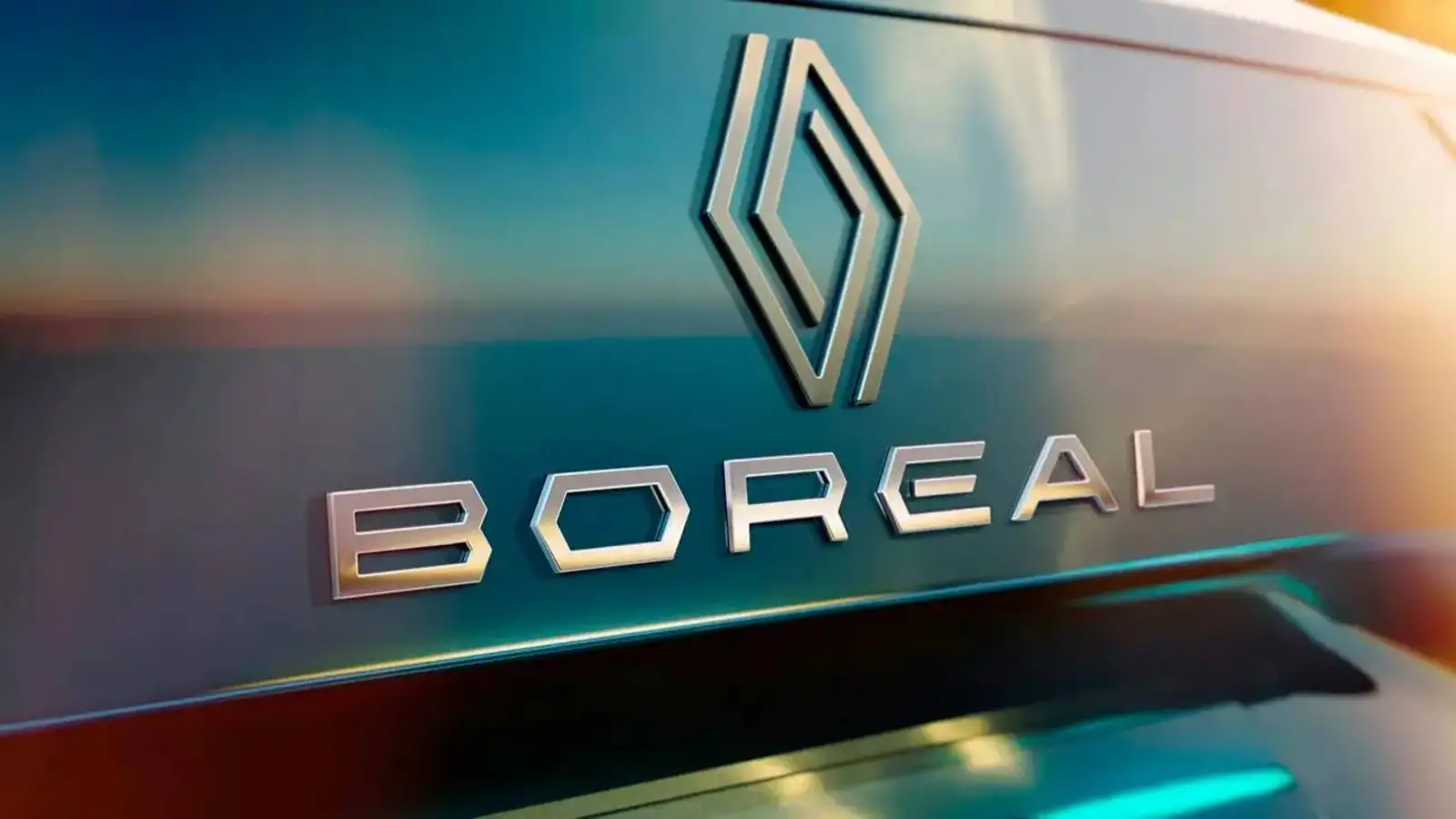 © media.renault.com
Renault expands Boreal production to its Bursa plant in Turkey. The factory will supply Eastern Europe, the Middle East and the Mediterranean basin.
Author: Daria Kashirina
Renault has expanded production of the Boreal crossover: the model is now assembled not only in Brazil, but also at the Bursa plant in Turkey. For the company this is an important move, as Turkey is one of the largest Renault markets in the world, and local assembly helps reduce reliance on imports and tariffs.
The Boreal is built on the Dacia Bigster platform, but it is aimed not at the European Union but at external markets. The Curitiba plant in Brazil will continue to cover Latin America, while Bursa will take on Turkey, the Middle East and the countries of the Mediterranean basin and Eastern Europe. This setup shortens the logistics chain and makes it possible to deliver cars faster to regions where demand for C-segment crossovers is growing.
The choice of the Turkish site is explained by more than just geography. Bursa already builds the Clio, the Duster, chassis and battery packs for hybrid vehicles. The OYAK HORSE division is located nearby and produces engines, gearboxes and hybrid components. For Renault this means fewer external supplies and tighter control over costs.
The key technical novelty of the Turkish Boreal is the E-Tech 160 hybrid. It is built around a naturally aspirated 1.8-litre HR18 Atkinson-cycle engine produced by OYAK HORSE. The system includes two electric motors: a traction unit of around 68 hp and a starter-generator. Combined output is 162 hp, with WLTP fuel consumption claimed at 4.8 l/100 km.
Renault claims that in the city the hybrid can run on electric power up to 80% of the time, while purely electric acceleration is possible up to 110 km/h. The transmission is a multi-mode automatic with no conventional clutch, featuring four gears for the combustion engine and two for the electric motor.
The second option is the 1.3-litre TCe 145 turbo engine paired with the EDC gearbox. WLTP consumption is quoted at 6.6 l/100 km. An important detail: the gearbox uses wet clutches, which should cope better with heat and stop-and-go traffic than the older dry DCT units.
For Renault, the Boreal looks less like just another crossover and more like a tool for markets where buyers want size, reasonable fuel consumption and a clear price tag, without the regulatory burden of Europe.
This English edition was prepared using AI translation under editorial oversight by SpeedMe. The original reporting is by Daria Kashirina
Latest Stories