Five EVs that actually make sense for a 2026 road trip
 © A. Krivonosov
Autoblog picked five electric vehicles built for long-distance travel in 2026. Range, charging speed, price and what makes each one a road-trip contender.
Author: Nikita Novikov
American outlet Autoblog has picked five electric vehicles best suited for long-distance travel in 2026. The criteria are straightforward: long range, fast charging, a roomy cabin, access to a modern charging network and NACS compatibility. For the United States this is almost a ready-made road-trip formula, but the list deserves a closer look beyond paper numbers — what matters is total cost of ownership, the realities of charging on highways, warranty coverage, dealer support and resale value.
The most expensive entry on the list is the Cadillac Escalade IQ. In the US the electric SUV starts at $127,405. For that money buyers get a 205 kWh battery, up to 465 miles of range, 750 hp and DC fast charging at up to 350 kW. For long-distance travel that is a strong package, though the IQ remains a niche luxury proposition rather than a mainstream replacement for the gasoline Escalade.
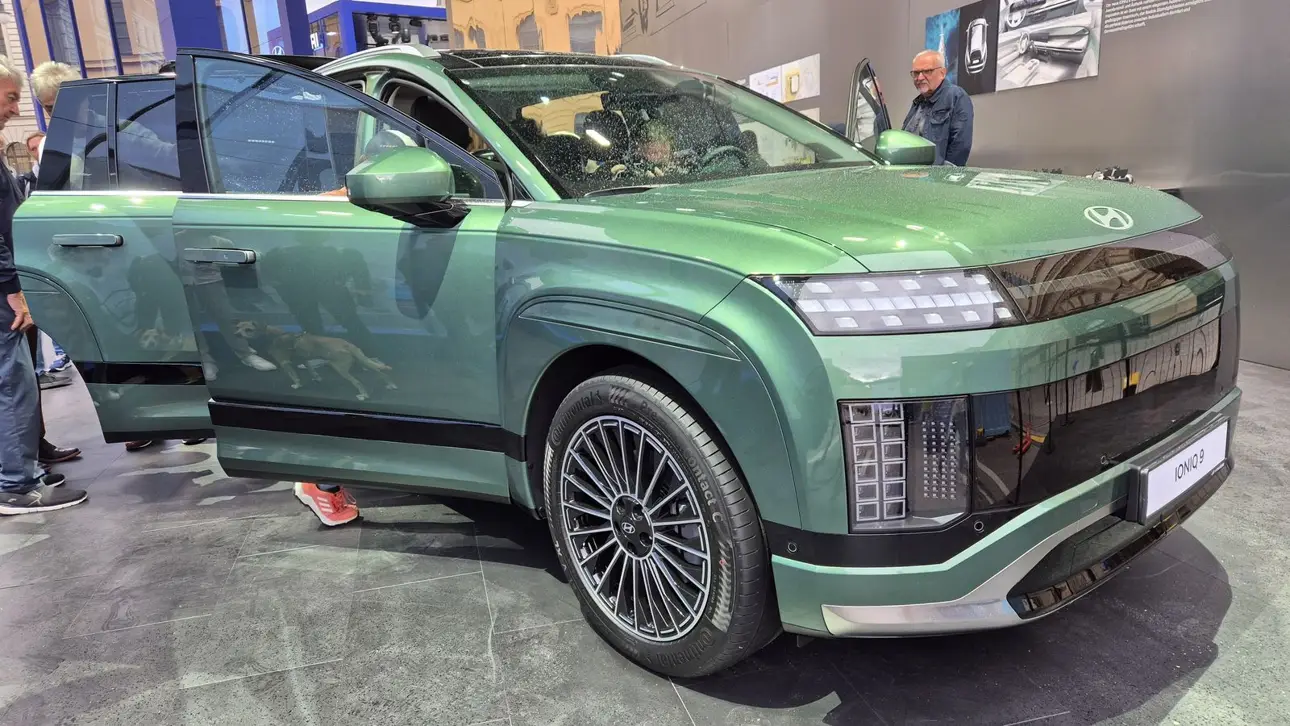
The Hyundai IONIQ 9 looks more rational. In the US this large three-row electric crossover starts at under $60,000. Claimed range is up to 335 miles, charging from 10 to 80% takes about 24 minutes, and from the 2026 model year it gains NACS support. If the IONIQ 9 lands meaningfully cheaper than the Escalade IQ, it could become an appealing family EV, but its competition is not only Tesla — it also has to fight large hybrid SUVs coming out of China.
The Tesla Model Y remains the most pragmatic pick of the bunch. In the US base versions start under $40,000, while long-range variants travel up to 357 miles on a single charge. Tesla’s main strength is not just range — it is the software, navigation and charging ecosystem. The Model Y is still one of the most straightforward electric vehicles you can buy today.
The Rivian R1T and R1S are aimed at buyers who want more than an electric commuter — they want a vehicle for travel, camping and rough roads. In the US they start at $76,990, while the Dual Motor Large variant, optimised for long-distance travel, is priced from $83,990. The truck and SUV pair offer up to 329 miles of range, 533 hp, Camp Mode and a clear off-road orientation. Outside North America their weak spot is obvious — service, parts and the lack of official support.
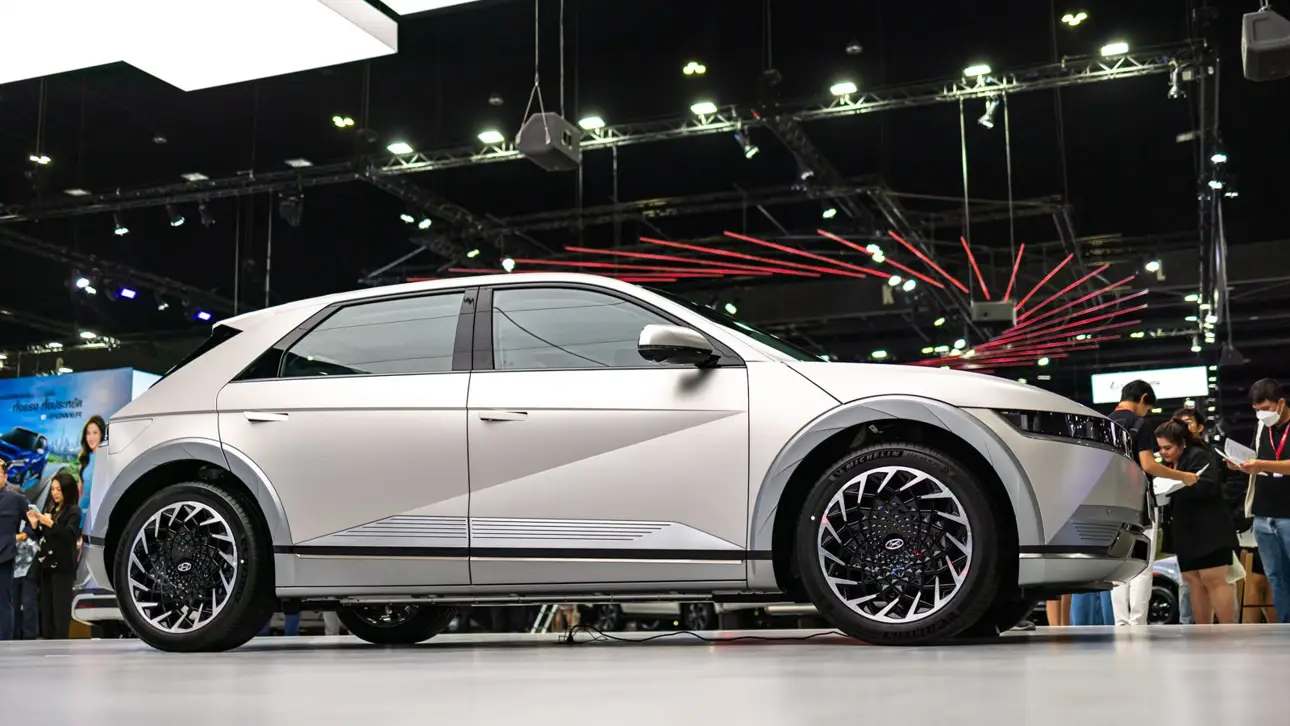
The Hyundai IONIQ 5 is the most compact — and arguably the most sensible — option for buyers who do not need a huge SUV. In the US it starts at $35,000, range tops out at 318 miles, and the 800-volt architecture allows a 10 to 80% charge in roughly 22 minutes. As a daily driver with occasional highway trips, it looks more convincing than many rivals.
Out of the entire five, the Tesla Model Y is the most familiar choice, the Hyundai IONIQ 9 is the most family-oriented, the Cadillac Escalade IQ is the most prestigious, the Rivian is the most adventurous and the Hyundai IONIQ 5 is the best-balanced for everyday use. Before buying any of them, though, it is worth evaluating not just headline range, but battery health, charging history, parts availability and the actual routes the owner plans to drive.
This English edition was prepared using AI translation under editorial oversight by SpeedMe. The original reporting is by Nikita Novikov
Latest Stories